In a world where technology is rapidly reshaping industries, artificial intelligence (AI) stands at the forefront of revolutionizing healthcare. The concept of AI in medicine might have once seemed like a futuristic fantasy, reminiscent of the “tricorder” from Star Trek, but today, it’s becoming an integral part of medical practice.

Dr. Thomas M. Maddox, a leading expert in digital products and innovation at BJC HealthCare, predicts that AI will soon be embedded in almost every aspect of healthcare. This year, tech budgets for AI in healthcare companies are expected to grow significantly, reflecting its increasing importance.

A robotic hand touching a clear screen

AI’s impact on clinical diagnostics is profound. It enhances the ability to interpret medical images such as X-rays and MRIs, often surpassing human accuracy. By identifying patterns that even seasoned professionals might miss, AI complements human expertise, improving diagnostic precision.

Moreover, AI is driving breakthroughs in research. Dr. Lee Schwamm from Yale School of Medicine highlights how AI has enabled the visualization of proteins within DNA, paving the way for targeted treatments that were once beyond reach.

Beyond diagnostics, AI’s potential extends to predicting future pandemics. According to a Medical Science Monitor editorial, AI systems had already flagged unusual pneumonia cases before the COVID-19 outbreak, demonstrating its capacity to detect early signs of infectious diseases.

However, the proliferation of AI in healthcare raises ethical concerns. Ensuring that AI systems are free from biases and privacy risks is crucial. Regulatory bodies like the FDA, alongside the American Medical Association, are working to establish ethical guidelines for AI use in healthcare.

Despite these challenges, AI promises to enhance healthcare efficiency and patient experience. By automating documentation, physicians can focus more on patient interaction. AI-powered scheduling systems can also adapt to various factors, potentially reducing waiting times.

As AI continues to integrate into healthcare, it will undoubtedly transform the landscape. While AI-equipped physicians may outperform those without such tools, the technology is seen as an augmentation of the human touch, not a replacement.


More Articles

Getting licensed or staying ahead in your career can be a journey—but it doesn’t have to be overwhelming. Grab your favorite coffee or tea, take a moment to relax, and browse through our articles. Whether you’re just starting out or renewing your expertise, we’ve got tips, insights, and advice to keep you moving forward. Here’s to your success—one sip and one step at a time!

Florida Homeowners Finally Get a Break as Insurance Rates Begin to Drop

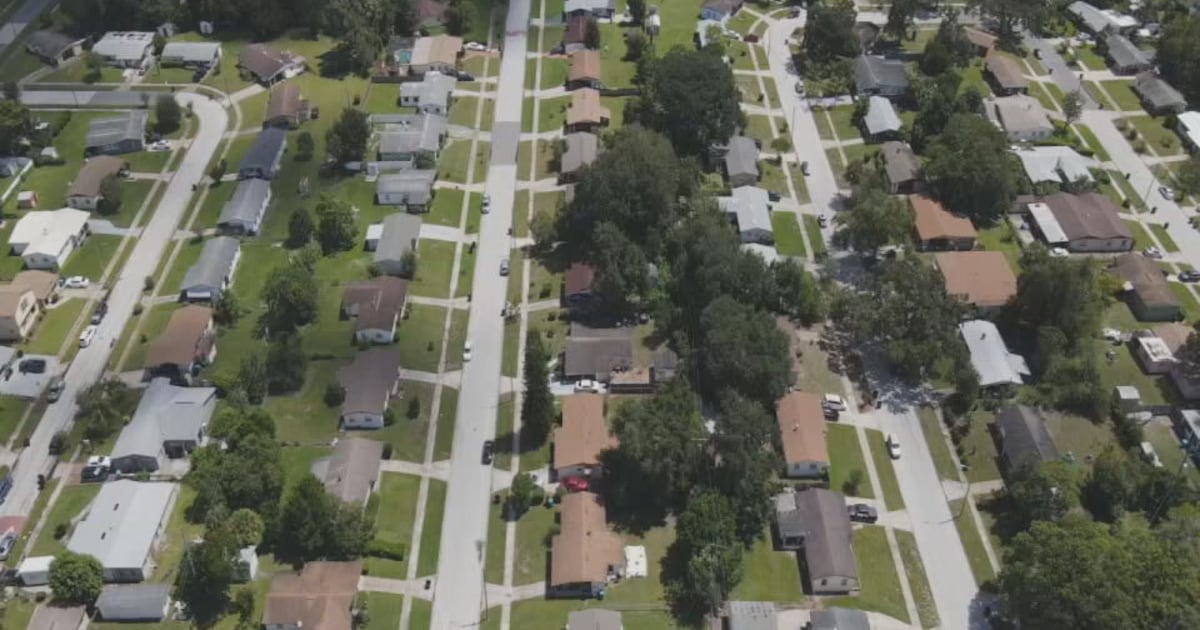
After years of soaring premiums and insurer instability, Florida’s property insurance market is finally turning a corner. Major carriers have filed 83 requests for rate decreases heading into 2026, with companies like Florida Peninsula and Patriot Select proposing cuts of 8.4% and 11.3%. Some homeowners may see relief as early as next month, signaling a long‑awaited shift toward market stability.

The Fix-and-Flip Comeback: Why 2026 Is Poised to Be a Breakout Year for Investors

Fix-and-flip investing is gearing up for one of its strongest years in a decade as 2026 approaches. With cheaper capital, more accessible funding, easing interest rates, and long-awaited increases in housing inventory, investors are finding the perfect environment to launch or scale renovation-based real estate businesses. Renovation continues to outpace new construction in cost and speed, and demand for move-in-ready homes remains high, making 2026 a powerful opportunity window for both new and experienced investors.

Falling Rents Today, Rising Pressures Tomorrow: A 2026 Rental Squeeze Is on the Horizon

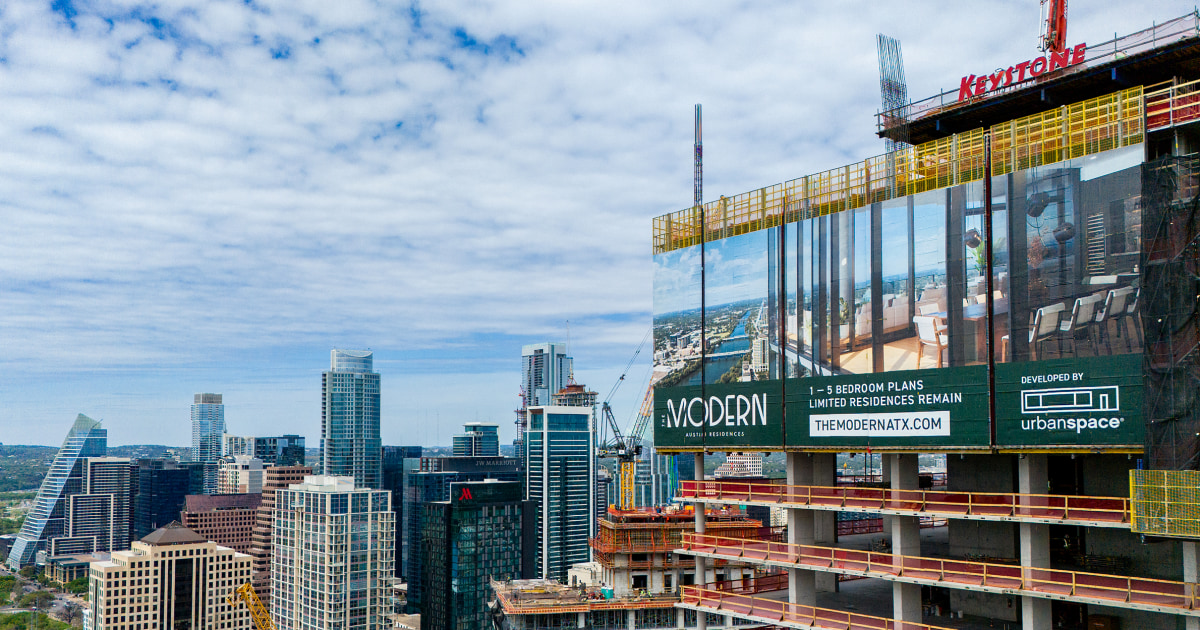
After a short-lived period of relief in 2025, the U.S. rental market may be headed for a tighter, more expensive 2026. With construction starts dropping nearly 11% and completions plunging 42%, the surge of new apartments that helped lower rents is rapidly drying up. Rising costs, shrinking inventory, and a slowdown in new development point to a potential rental crunch that could leave renters facing heavier competition and higher prices across major markets next year.

The Biggest Opportunity in Real Estate Since 2008

The commercial real estate market is entering a rare reset that experts say mirrors the post‑2008 boom, creating a potential window for disciplined investors. With trillions in commercial debt coming due and property values dropping up to 40%, firms like AARE are positioning themselves to acquire assets below replacement cost—an advantage that could set the stage for significant long‑term growth.

Six for 2026: The Commercial Real Estate Shifts Already Reshaping the U.S.

Commercial real estate is entering a reinvention phase, with AI‑driven productivity, modernized office demand, experience‑focused retail, expanding industrial logistics, creative housing solutions, and sustainability‑centered design all accelerating nationwide. These six forces are shaping how investors, brokers, and future licensees will operate in a rapidly evolving U.S. market.

2026 Becomes the Turning Point: Innovation, Stability, and Upward Mobility Return

After years of economic uncertainty and cautious decision‑making, 2026 is shaping up to be the year professionals finally catch a break. AI is moving from buzzword to essential tool, capital markets are beginning to thaw, and hiring is picking up across real estate, mortgage, insurance, finance, and healthcare. With opportunity returning, many professionals are using this moment to upskill—pursuing new licenses, certifications, and cross‑industry expertise.