The real estate industry, often seen as conservative, is gradually embracing technological advancements with AI leading the charge. Generative AI is already revolutionizing real estate marketing by enhancing customer experiences and optimizing content creation. However, a more transformative technology is predictive AI, which leverages historical data and algorithms to forecast market trends and predict property values accurately.

Despite being early in its adoption phase, the potential improvements AI can bring to market prediction accuracy and personalized property recommendations make it a compelling investment. Companies like Compass and Zillow are at the forefront, utilizing AI to identify market trends and shifts, such as the post-pandemic move towards suburban living.

AI’s capabilities aren’t confined to market predictions alone; it also improves property valuation accuracy by using machine learning to analyze data patterns invisible to humans. This innovation helps organizations make informed decisions and identify lucrative investment opportunities.

However, the adoption of AI in real estate is not without challenges. Data quality issues and a lack of expertise in AI underscore the need for dedicated roles, such as a chief AI officer, to bridge the gap between technology and business application.

As AI technology continues to evolve, its impact on real estate will grow. Successfully integrating AI demands not just the acquisition of tools, but also the expertise to harness its full potential. Those able to navigate these waters will secure a significant edge in the dynamic real estate market.

For more insights on how AI is transforming the real estate landscape, refer to the original article on Forbes.


More Articles

Getting licensed or staying ahead in your career can be a journey—but it doesn’t have to be overwhelming. Grab your favorite coffee or tea, take a moment to relax, and browse through our articles. Whether you’re just starting out or renewing your expertise, we’ve got tips, insights, and advice to keep you moving forward. Here’s to your success—one sip and one step at a time!

The Transformation of Insurance Through Customer-Centric Ecosystems

In the fast-evolving world of insurance, a transformative shift is underway, driven by the development of customer-centric ecosystems. As highlighted in a comprehensive study by EY, insurance ecosystems are reshaping the industry by focusing on customer engagement, trust, and operational excellence.

Ethical Challenges of AI in Radiography: Insights from Radiographers

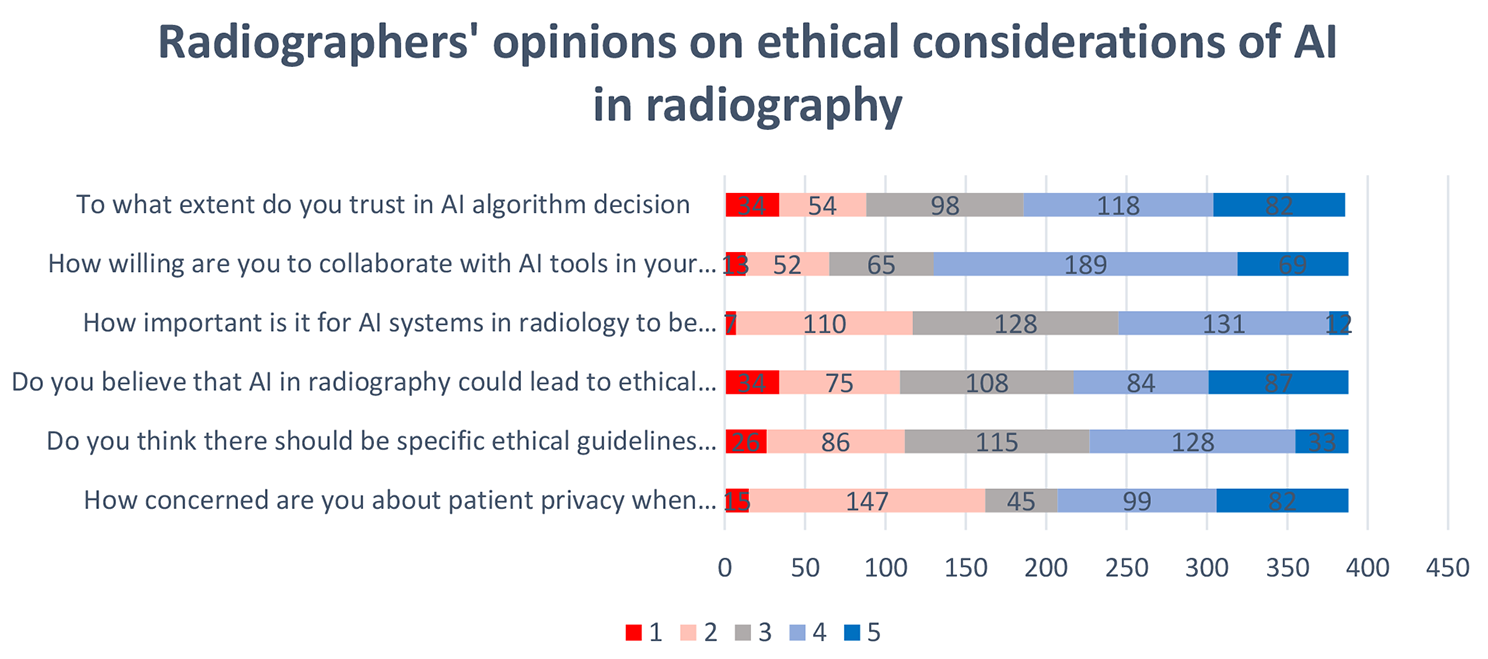
The integration of artificial intelligence in radiography brings a host of ethical challenges that demand careful consideration. A recent study highlights the diverse perspectives of radiographers, revealing significant knowledge gaps and varying trust levels in AI-driven decisions. Concerns over patient privacy and the need for dedicated ethical guidelines are pivotal as healthcare embraces AI.

AI in Healthcare: A Transformative Force Today and Tomorrow

AI tools are already delivering significant value and are poised to further transform healthcare. Embracing these changes today will position organizations and individuals to capture the long-term benefits of a more effective, efficient, and personalized healthcare system.

2024 Housing Market Crystal Ball: Transformative Trends for the Next Decade

The housing landscape of 2034 will be more diverse, technologically advanced, and responsive to the needs of an evolving population.

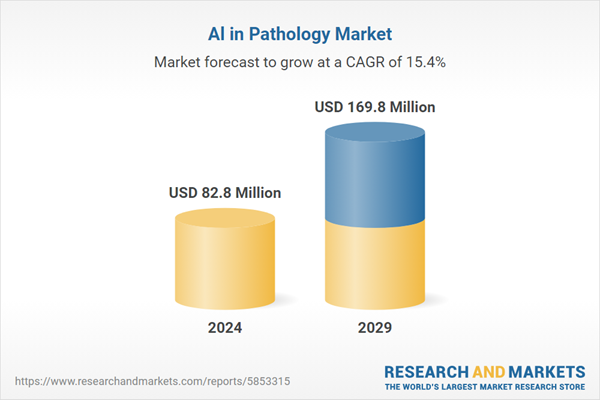
The Future of AI in Pathology: A Market on the Rise

AI in pathology is revolutionizing the field by enhancing the analysis of clinical data, genomic information, and disease progression. These advancements are not only streamlining personalized treatment plans but also optimizing healthcare resource allocation.

By |January 12, 2025|Categories: Article, Healthcare, Technology|Tags: , |0 Comments

Revolutionizing Precision Medicine: AI’s Role in Diabetes and Chronic Disease Management

In an era where data reigns supreme, the integration of artificial intelligence (AI) and machine learning (ML) into the realm of precision medicine is not just a possibility but a burgeoning reality.