AI Sentiment Analysis: The New Early‑Warning System for Real Estate Investors
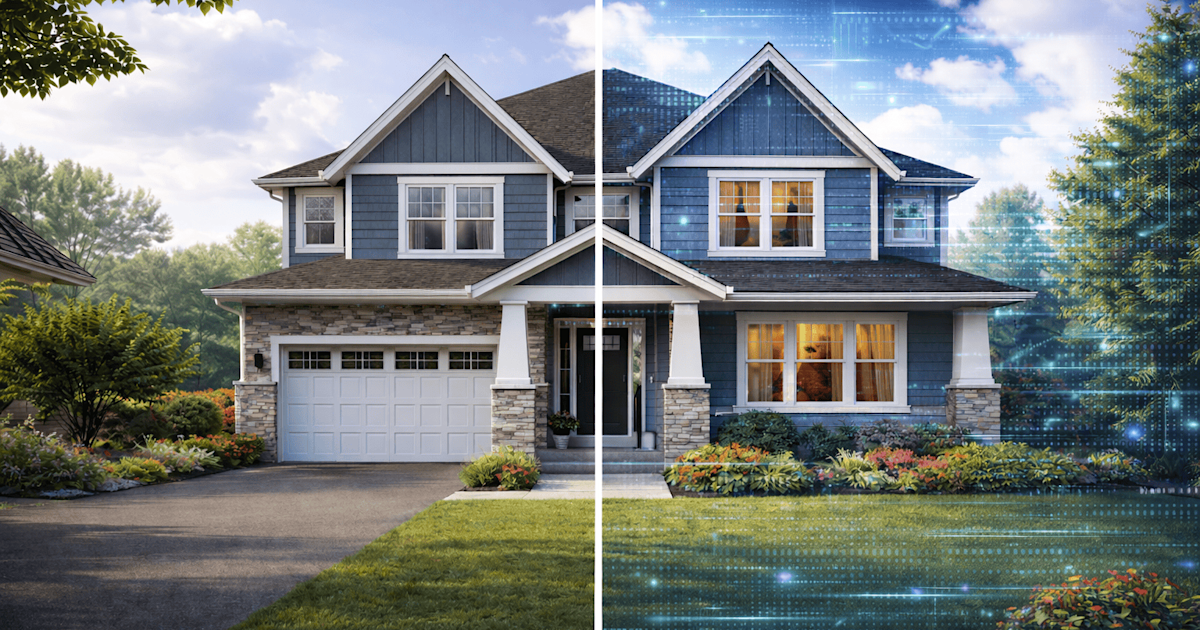
Real estate investing has always been part art, part science. Numbers can show where the market has been—but they rarely reveal where it’s going next. Today, that missing link is being bridged by a rapidly advancing technology: AI-powered sentiment analysis. This innovative tool scans millions of digital conversations to detect early market signals long before traditional data reflects them.
This emerging shift was highlighted in an insightful report from the team at Propmodo, who explored how artificial intelligence is reshaping the way investors read market psychology and public perception. Their full article is absolutely worth a read:
AI sentiment analysis processes data pulled from social platforms, online reviews, forums, news stories, and neighborhood conversations. Instead of sifting through thousands of voices manually, investors receive instant, summarized emotional insights about communities, developments, and property types.
Modern models understand context, sarcasm, nuance, and emotional shifts. They are far beyond simple keyword engines—offering an interpretation of public tone that’s surprisingly close to human-level reasoning. In many cases, accuracy is approaching true analyst-level classification.
Imagine noticing rising excitement around a neighborhood months before renters rush in… or sensing growing dissatisfaction with a retail plaza before vacancies spike. That’s the power of AI-driven sentiment intelligence.
Office, Retail, Multifamily — All Behave Differently
In the office world, sentiment highlights shifting attitudes about remote work, return-to-office dynamics, and evolving preferences for location or amenities. These emotional indicators often turn months before occupancy rates follow.
Retail benefits from the immediacy of customer opinions. Shoppers frequently discuss safety, parking, tenant mix, and overall atmosphere—often predicting closures, revivals, or expansions before they become public.
For multifamily investors, sentiment offers early signs of resident satisfaction, neighborhood trends, and management quality. Reviews filled with praise or frustration can forecast occupancy changes or surging demand long before official surveys hit the market.
Trends Matter More Than Absolute Scores
A neighborhood with historically negative sentiment could still be a strong opportunity—if its sentiment is climbing month after month. On the other hand, a well-loved area showing slow emotional decline may be quietly signaling a future cooldown.
Investors who track these subtle shifts gain a unique informational edge. Still, sentiment is meant to complement—not replace—traditional metrics like cap rates, NOI, and demographic data.
Where AI Meets Professional Education
As AI becomes inseparable from modern real estate strategy, professionals who understand these tools will hold a major advantage. At Cameron Academy, we’re dedicated to preparing both new and seasoned professionals with education that keeps pace with industry transformation.
Whether you’re breaking into real estate, mortgage, insurance, finance, or medical-related professions—or enhancing your current career—AI-driven insights are shaping the next era of decision-making, and we’re here to keep you informed, trained, and empowered.
A New Era of Market Awareness
Real estate has always rewarded those who can detect the earliest signs of change. With AI sentiment analysis, investors no longer need to wait for quarterly data cycles or delayed reports—they can read the emotional pulse of the market in real time.
The real question is no longer whether these tools will dominate the industry… but who will master them first.
More Articles
Getting licensed or staying ahead in your career can be a journey—but it doesn’t have to be overwhelming. Grab your favorite coffee or tea, take a moment to relax, and browse through our articles. Whether you’re just starting out or renewing your expertise, we’ve got tips, insights, and advice to keep you moving forward. Here’s to your success—one sip and one step at a time!
Florida now leads the nation in property insurance costs, with many homeowners paying more than $10,000 a year for shrinking coverage and higher deductibles. Despite nearly half of hurricane‑related claims ending with no payout and appeals failing over 90% of the time, state leaders say reforms “need more time to work.” With key relief bills stalled and real estate professionals feeling the shockwaves, experts warn that legislative inaction is deepening a crisis that threatens homeownership and the state’s economic stability.
Banks are finally calling in billions tied to troubled commercial real estate loans, pushing delinquency rates to historic highs and ending years of “extend and pretend.” With more than 12% of office loans now delinquent and $875 billion in commercial debt maturing in 2026, regional banks and property owners are facing mounting pressure. As valuations drop and refinancing becomes harder, experts warn that tighter lending standards and broader economic ripple effects are on the horizon—making strategic preparation essential for today’s real estate and finance professionals.
Florida policyholders are getting rare good news: the Florida Insurance Guaranty Association is ending its 1% emergency insurance assessment on October 1—two years ahead of schedule. The decision follows a calmer hurricane season, fewer insurer insolvencies, and growing market stability. The early termination is expected to save Floridians up to $650 million, with the average homeowner seeing about $31 in annual savings. This marks another milestone in the state’s insurance market recovery after major legislative reforms in 2022 and 2023.
The real estate industry has officially moved past its AI honeymoon phase. What began as a fun, optional tool has quietly become the backbone of how agents create content, communicate with clients, and market properties. But with that shift comes rising concern about authenticity, legal risks, and whether consumers will start questioning what they’re really paying agents for. As AI blends into everything from listing descriptions to client advice, professionals now face a new challenge: proving the human value behind the technology.
After years of volatility, industry analysts say commercial real estate may finally be on the verge of a major comeback. Investment activity is rising, leasing demand is strengthening, and key cities like Manhattan are leading a broader national recovery. With vacancy rates expected to drop and high‑quality buildings outperforming the rest, 2026 is shaping up to be the turning point investors and professionals have been waiting for.
AM Best warns that the property and casualty insurance market is heading into a more challenging 2026 as premium growth slows, inflation drives up claims costs, and combined ratios rise. Despite a strong 2025, moderating rates, higher repair and construction expenses, and ongoing reserve deficiencies are pressuring profitability. While commercial lines and personal lines both feel the strain, the E&S market continues to expand as traditional carriers pull back. This shifting landscape highlights the need for insurance professionals to stay sharp, informed, and adaptable.