AI Sentiment Analysis: The New Early‑Warning System for Real Estate Investors
Real estate investing has always been part art, part science. Numbers can show where the market has been—but they rarely reveal where it’s going next. Today, that missing link is being bridged by a rapidly advancing technology: AI-powered sentiment analysis. This innovative tool scans millions of digital conversations to detect early market signals long before traditional data reflects them.
This emerging shift was highlighted in an insightful report from the team at Propmodo, who explored how artificial intelligence is reshaping the way investors read market psychology and public perception. Their full article is absolutely worth a read:
AI sentiment analysis processes data pulled from social platforms, online reviews, forums, news stories, and neighborhood conversations. Instead of sifting through thousands of voices manually, investors receive instant, summarized emotional insights about communities, developments, and property types.
Modern models understand context, sarcasm, nuance, and emotional shifts. They are far beyond simple keyword engines—offering an interpretation of public tone that’s surprisingly close to human-level reasoning. In many cases, accuracy is approaching true analyst-level classification.
Imagine noticing rising excitement around a neighborhood months before renters rush in… or sensing growing dissatisfaction with a retail plaza before vacancies spike. That’s the power of AI-driven sentiment intelligence.
Office, Retail, Multifamily — All Behave Differently
In the office world, sentiment highlights shifting attitudes about remote work, return-to-office dynamics, and evolving preferences for location or amenities. These emotional indicators often turn months before occupancy rates follow.
Retail benefits from the immediacy of customer opinions. Shoppers frequently discuss safety, parking, tenant mix, and overall atmosphere—often predicting closures, revivals, or expansions before they become public.
For multifamily investors, sentiment offers early signs of resident satisfaction, neighborhood trends, and management quality. Reviews filled with praise or frustration can forecast occupancy changes or surging demand long before official surveys hit the market.
Trends Matter More Than Absolute Scores
A neighborhood with historically negative sentiment could still be a strong opportunity—if its sentiment is climbing month after month. On the other hand, a well-loved area showing slow emotional decline may be quietly signaling a future cooldown.
Investors who track these subtle shifts gain a unique informational edge. Still, sentiment is meant to complement—not replace—traditional metrics like cap rates, NOI, and demographic data.
Where AI Meets Professional Education
As AI becomes inseparable from modern real estate strategy, professionals who understand these tools will hold a major advantage. At Cameron Academy, we’re dedicated to preparing both new and seasoned professionals with education that keeps pace with industry transformation.
Whether you’re breaking into real estate, mortgage, insurance, finance, or medical-related professions—or enhancing your current career—AI-driven insights are shaping the next era of decision-making, and we’re here to keep you informed, trained, and empowered.
A New Era of Market Awareness
Real estate has always rewarded those who can detect the earliest signs of change. With AI sentiment analysis, investors no longer need to wait for quarterly data cycles or delayed reports—they can read the emotional pulse of the market in real time.
The real question is no longer whether these tools will dominate the industry… but who will master them first.
More Articles
Getting licensed or staying ahead in your career can be a journey—but it doesn’t have to be overwhelming. Grab your favorite coffee or tea, take a moment to relax, and browse through our articles. Whether you’re just starting out or renewing your expertise, we’ve got tips, insights, and advice to keep you moving forward. Here’s to your success—one sip and one step at a time!
In an era marked by high mortgage rates and soaring home prices, the quest for affordable housing has become a driving force reshaping migration trends across the United States.
In a bold move to address the pressing housing needs of Washington's most vulnerable residents, the Washington State Department of Commerce has awarded $220,000 in growth management grants to seven community partnerships.
Blockchain offers a decentralized record-keeping system, enhancing transparency and reducing the need for intermediaries, paving the way for a more secure and efficient market landscape.
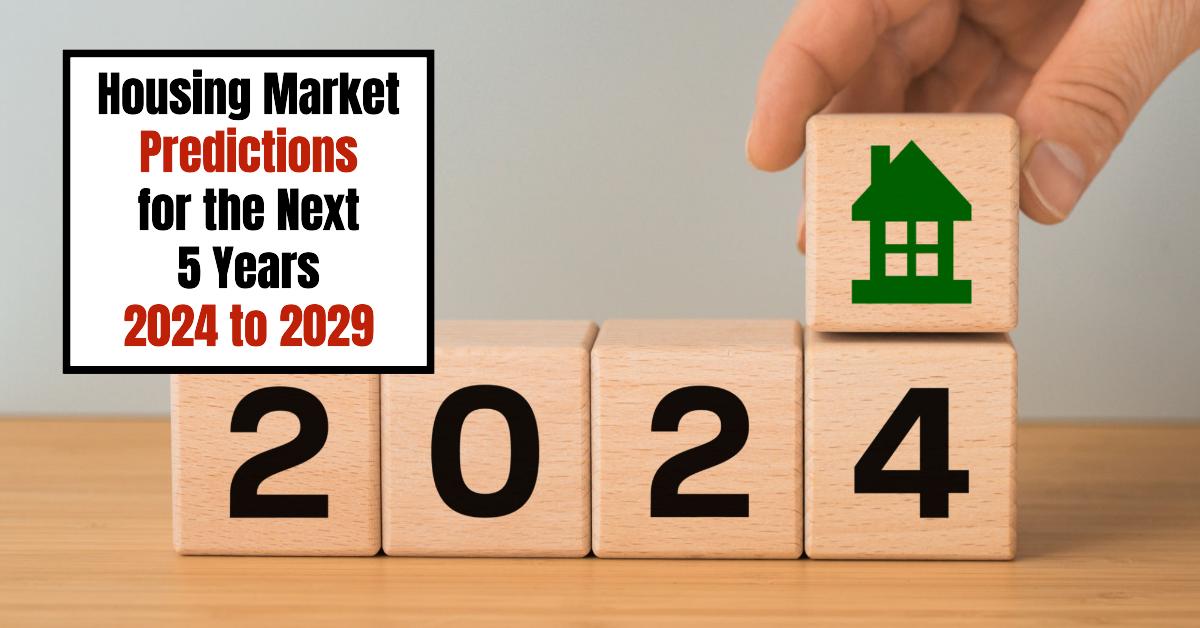
As the U.S. housing market braces for the next five years, experts are offering a range of predictions, from modest increases in home values to a potential shift towards a buyer's market.