AI Sentiment Analysis: The New Early‑Warning System for Real Estate Investors
Real estate investing has always been part art, part science. Numbers can show where the market has been—but they rarely reveal where it’s going next. Today, that missing link is being bridged by a rapidly advancing technology: AI-powered sentiment analysis. This innovative tool scans millions of digital conversations to detect early market signals long before traditional data reflects them.
This emerging shift was highlighted in an insightful report from the team at Propmodo, who explored how artificial intelligence is reshaping the way investors read market psychology and public perception. Their full article is absolutely worth a read:
AI sentiment analysis processes data pulled from social platforms, online reviews, forums, news stories, and neighborhood conversations. Instead of sifting through thousands of voices manually, investors receive instant, summarized emotional insights about communities, developments, and property types.
Modern models understand context, sarcasm, nuance, and emotional shifts. They are far beyond simple keyword engines—offering an interpretation of public tone that’s surprisingly close to human-level reasoning. In many cases, accuracy is approaching true analyst-level classification.
Imagine noticing rising excitement around a neighborhood months before renters rush in… or sensing growing dissatisfaction with a retail plaza before vacancies spike. That’s the power of AI-driven sentiment intelligence.
Office, Retail, Multifamily — All Behave Differently
In the office world, sentiment highlights shifting attitudes about remote work, return-to-office dynamics, and evolving preferences for location or amenities. These emotional indicators often turn months before occupancy rates follow.
Retail benefits from the immediacy of customer opinions. Shoppers frequently discuss safety, parking, tenant mix, and overall atmosphere—often predicting closures, revivals, or expansions before they become public.
For multifamily investors, sentiment offers early signs of resident satisfaction, neighborhood trends, and management quality. Reviews filled with praise or frustration can forecast occupancy changes or surging demand long before official surveys hit the market.
Trends Matter More Than Absolute Scores
A neighborhood with historically negative sentiment could still be a strong opportunity—if its sentiment is climbing month after month. On the other hand, a well-loved area showing slow emotional decline may be quietly signaling a future cooldown.
Investors who track these subtle shifts gain a unique informational edge. Still, sentiment is meant to complement—not replace—traditional metrics like cap rates, NOI, and demographic data.
Where AI Meets Professional Education
As AI becomes inseparable from modern real estate strategy, professionals who understand these tools will hold a major advantage. At Cameron Academy, we’re dedicated to preparing both new and seasoned professionals with education that keeps pace with industry transformation.
Whether you’re breaking into real estate, mortgage, insurance, finance, or medical-related professions—or enhancing your current career—AI-driven insights are shaping the next era of decision-making, and we’re here to keep you informed, trained, and empowered.
A New Era of Market Awareness
Real estate has always rewarded those who can detect the earliest signs of change. With AI sentiment analysis, investors no longer need to wait for quarterly data cycles or delayed reports—they can read the emotional pulse of the market in real time.
The real question is no longer whether these tools will dominate the industry… but who will master them first.
More Articles
Getting licensed or staying ahead in your career can be a journey—but it doesn’t have to be overwhelming. Grab your favorite coffee or tea, take a moment to relax, and browse through our articles. Whether you’re just starting out or renewing your expertise, we’ve got tips, insights, and advice to keep you moving forward. Here’s to your success—one sip and one step at a time!
Fort Myers Beach is becoming the front line of a new Florida—one shaped by hurricane devastation, soaring insurance premiums, and rapid gentrification. Three years after Hurricane Ian, residents are still battling massive rebuilding costs and insurance bills that now exceed $5,700 a year on average, with flood insurance reaching $10,000 for some families. Long-time locals, small businesses, and service workers are being priced out as wealthy investors move in, transforming once-affordable coastal communities. Real estate professionals warn that foreclosures may rise if economic pressures continue, signaling a pivotal moment for Florida’s housing market and the professionals who serve it.
Economic uncertainty, AI disruption, slowing population growth, and rising portfolio risk are reshaping commercial real estate heading into 2026. A new report unveiled at NAR NXT highlights the forces that will reward informed professionals — and challenge those who aren’t prepared. From fiscal policy and shifting capital flows to tech transformation and housing shortages, the landscape is evolving fast. Cameron Academy breaks down the key issues so real estate, mortgage, finance, and insurance professionals can stay ahead of the curve.
A sudden federal shutdown of FEMA’s BRIC resiliency program has left cities and commercial property owners scrambling, exposing billions in real estate to rising climate threats. With nearly a billion dollars in mitigation funding clawed back and extreme weather intensifying, insurance premiums are expected to surge and coverage may shrink — placing new pressure on markets like Florida and New York.
A new Florida Senate bill aims to stop cities and counties from blocking residential developments over vague “compatibility” concerns. Supporters say the measure would speed up homebuilding and ease housing shortages, while opponents argue it strips communities of essential oversight and could accelerate growth without proper planning. The proposal could reshape development timelines and land-use decisions statewide, making it a major issue for real estate professionals to watch.
Cape Coral–Fort Myers has officially moved into buyer-friendly territory, with homes now sitting a median 119 days on the market—far longer than both the Florida and U.S. averages. Rising inventory, a 36.9 percent price‑reduction rate, and slower absorption compared to accumulated supply are giving buyers more leverage and time to negotiate, signaling a meaningful reset in this once‑fast‑moving Florida market.
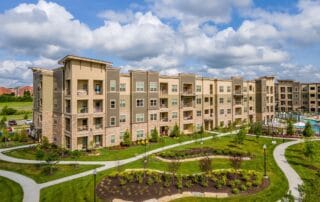
Kansas City’s commercial real estate sector is finally turning a corner after several years of sluggish activity. Retail is leading the rebound, while multifamily and industrial properties are gaining traction as pricing stabilizes and buyer confidence returns. A standout 2025 transaction—the sale of the 380‑unit Cyan Southcreek community—signals that capital is flowing back into the market. With bid‑ask spreads tightening and investor optimism rising, Kansas City is entering a period of renewed opportunity for real estate professionals and investors alike.


 Florida’s Middle Class Is Being Squeezed Out: Insurance Costs, Rebuilding Struggles, and a Changing Coastline Gallery