AI Shaping the Future of Healthcare: What 2025 Holds
As we stand on the precipice of 2025, the landscape of artificial intelligence (AI) in healthcare is poised for transformative change. The past year has been a whirlwind of innovation, setting the stage for what many experts predict will be a breakthrough year for AI. This evolution is not just a whisper of potential but a resounding call to action for the healthcare industry.
Mount Sinai and Washington University Lead the Charge
In 2024, the Mount Sinai Health System made headlines with the inauguration of the Hamilton and Amabel James Center for Artificial Intelligence and Human Health. This center, nestled in the heart of Manhattan, is a testament to AI’s burgeoning role in genomics and imaging. Similarly, the Washington University School of Medicine and BJC Health System in St. Louis launched their Center for Health AI, focusing on enhancing healthcare efficiency through AI-driven workflow improvements.
Predictive Analytics Market on the Rise
The healthcare predictive analytics market is expected to skyrocket, with projections suggesting it will reach a staggering $126.15 billion by 2032. This growth is primarily driven by the increasing demand for AI-powered patient outcomes, as noted in a report by SNS Insider.
Radiology and AI: A Symbiotic Relationship
At the RSNA Conference, experts discussed the transformative potential of generative AI and large language models (LLMs) in radiology. Dr. Tessa S. Cook from the University of Pennsylvania highlighted how AI could streamline radiologists’ workflows, from categorizing incidental findings to automating study processing. This sentiment was echoed by Dr. Dania Daye of Harvard Medical School, who emphasized AI’s ability to enhance the entire diagnostic imaging process.
AI’s Role in Clinical Settings
AI is set to revolutionize clinical settings by enhancing decision-making processes and streamlining documentation. This is particularly crucial in areas like sepsis prediction and diagnostic imaging. Studies published in leading medical journals, such as a recent article in JAMA Network Open, have already begun to explore these applications.
Looking Ahead to 2025
As we look to 2025, the horizon is bright with possibilities. AI innovations are expected to expedite clinical workflows, enrich electronic health record systems, and significantly uplift patient care and diagnostic accuracy. The healthcare industry stands at the cusp of a new era, where AI continues to be a catalyst for transformation.
Conclusion
The advancements of 2024 have laid a robust foundation for AI in healthcare. As we peer into 2025, the promise of AI is not just a possibility but an impending reality. The coming year is set to be a defining moment, with AI poised to make healthcare more efficient, accurate, and accessible for all.
More Articles
Getting licensed or staying ahead in your career can be a journey—but it doesn’t have to be overwhelming. Grab your favorite coffee or tea, take a moment to relax, and browse through our articles. Whether you’re just starting out or renewing your expertise, we’ve got tips, insights, and advice to keep you moving forward. Here’s to your success—one sip and one step at a time!
The global digital health market is set to skyrocket, with projections estimating it will reach $551.09 billion by 2027. This growth is fueled by innovations that are setting new benchmarks in healthcare delivery.
AI is being hailed as a "triple threat" in radiology, impacting planning, scanning, and diagnosis. As detailed in a recent column by Kelly Londy of GE HealthCare, these intelligent imaging systems are ushering in seismic changes reminiscent of the transformative impact of computer-assisted tomography in the late 20th century.
In a significant move that has captured the attention of economists and homebuyers alike, the Federal Reserve recently announced a half-percentage-point cut in interest rates. This decision is poised to bring about notable changes in the housing market, though not all effects may be beneficial for prospective homeowners.
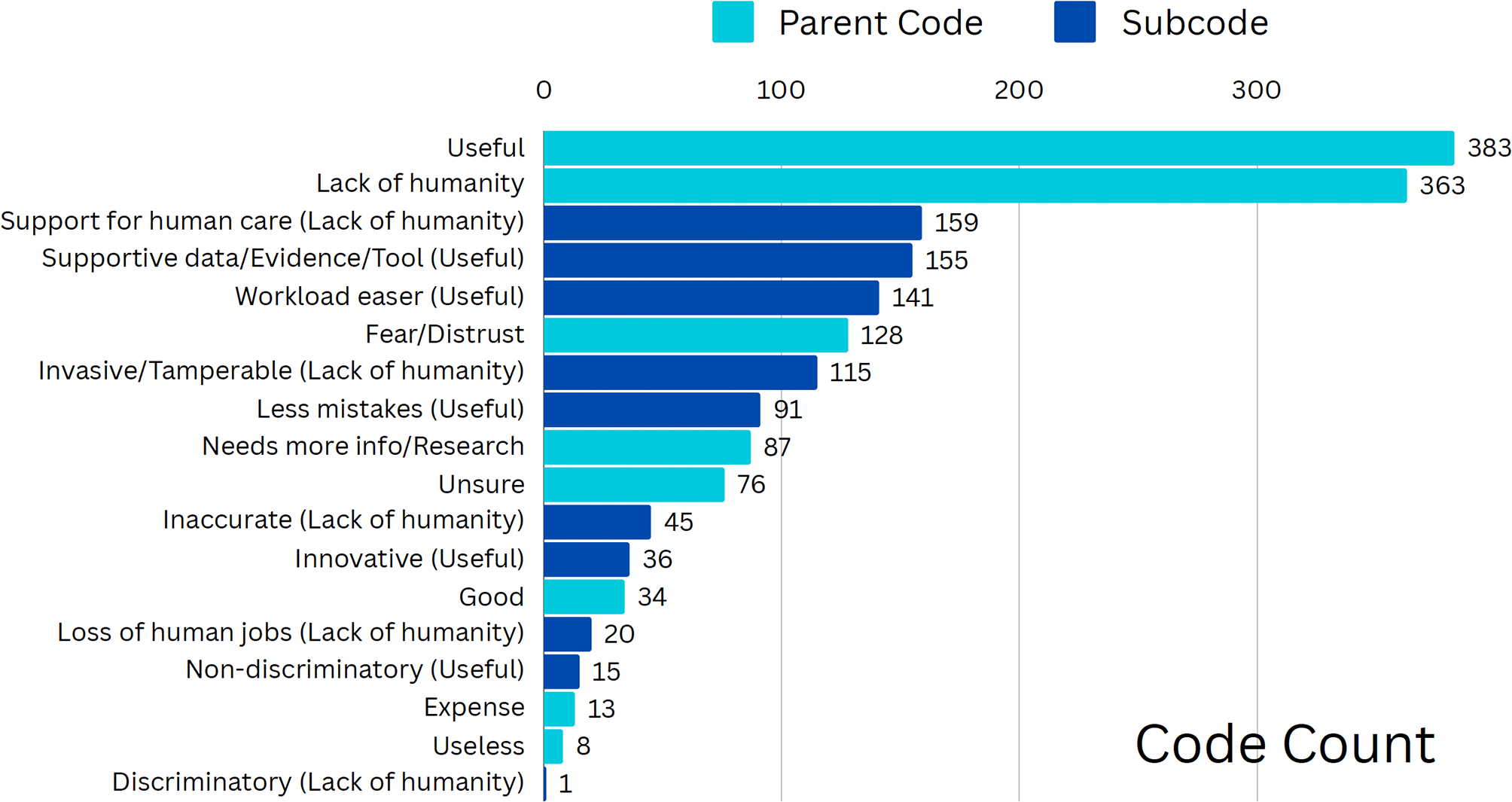
In the rapidly evolving landscape of healthcare, the integration of artificial intelligence (AI) stands as a beacon of both promise and concern. The research underscores a significant tension: while AI has the capability to enhance healthcare delivery, there is palpable unease about its impact on the traditional physician-patient relationship.
As artificial intelligence (AI) technology advances, it presents a myriad of ethical dilemmas and challenges that demand urgent attention. The USC Annenberg School for Communication and Journalism recently explored these pressing issues, highlighting the complexities involved in AI's deployment.