In a move that has ignited a fresh wave of controversy, the State Bar of California has acknowledged the use of artificial intelligence in crafting some of its bar exam questions. This revelation comes on the heels of widespread criticism over technical issues faced by examinees during the February bar exams. The legal licensing body, already under fire, now finds itself at the center of a debate over the role of AI in professional testing.
Prospective lawyers have expressed outrage, with many pointing to potential conflicts of interest and questioning the reliability of AI-generated questions. Mary Basick, assistant dean of academic skills at UC Irvine Law School, remarked, “The debacle that was the February 2025 bar exam is worse than we imagined. I’m almost speechless. Having the questions drafted by non-lawyers using artificial intelligence is just unbelievable.”
The original article from the Los Angeles Times provides a detailed account of the controversy, highlighting the broader implications of AI adoption in legal assessments.
The State Bar’s decision to incorporate AI was partly driven by financial constraints, as it sought to cut costs by moving away from the traditional Multistate Bar Examination. Instead, it entered into a deal with Kaplan Exam Services to develop exam questions, a move that has not been without its critics.
According to a recent presentation by the State Bar, a subset of the questions was developed with AI assistance by ACS Ventures, the State Bar’s independent psychometrician. This has raised questions about the integrity and validity of the exam, which the State Bar has defended, citing that all questions were reviewed by content validation panels and subject matter experts.
Katie Moran, an associate professor at the University of San Francisco School of Law, criticized the State Bar’s approach, stating, “The State Bar has admitted they employed a company to have a non-lawyer use AI to draft questions that were given on the actual bar exam. They then paid that same company to assess and ultimately approve of the questions on the exam, including the questions the company authored.”
The controversy has prompted calls for transparency and procedural changes, with some advocating for a return to traditional in-person exams. The California Supreme Court has directed the State Bar to plan for in-person exams in July, a move that underscores the challenges of remote testing.
In light of these developments, the State Bar has been urged to release all 200 questions from the February exam for public scrutiny. Critics argue this is necessary to restore confidence in the testing process and ensure future examinees are adequately prepared.
As the debate continues, the State Bar’s use of AI in exam development remains a contentious issue, highlighting the complexities of integrating new technologies into established professional practices.

More Articles

Getting licensed or staying ahead in your career can be a journey—but it doesn’t have to be overwhelming. Grab your favorite coffee or tea, take a moment to relax, and browse through our articles. Whether you’re just starting out or renewing your expertise, we’ve got tips, insights, and advice to keep you moving forward. Here’s to your success—one sip and one step at a time!

The Mortgage Industry’s AI Transformation: Automation Reshapes Lending From Application to Approval

Artificial intelligence is rapidly reshaping the mortgage industry, boosting productivity, reducing manual work, and accelerating loan closings. From automated document data extraction to AI‑generated underwriting narratives and predictive analytics, lenders are using new tools that improve accuracy and drastically speed up processing times. With chatbots, next‑gen point‑of‑sale systems, and end‑to‑end automation, preapprovals that once took days now take minutes. For mortgage and real estate professionals, mastering AI is becoming a major competitive advantage—one that defines who will thrive in the future of lending.

Why Your Insurance Bill Is Rising Even as Florida Rates Go Down

Florida’s property insurance rates are finally starting to drop, but many homeowners are still seeing higher monthly bills. The reason isn’t insurer price hikes—it’s soaring replacement costs driven by construction inflation, labor shortages, and rising home values. Nearly 75 percent of recent premium increases came from higher property values alone. Understanding this gap between “rates” and “premiums” helps homeowners—and real estate and insurance professionals—navigate the shifting Florida market and make smarter coverage decisions.

Milwaukee’s Commercial Real Estate Market Turns a Corner

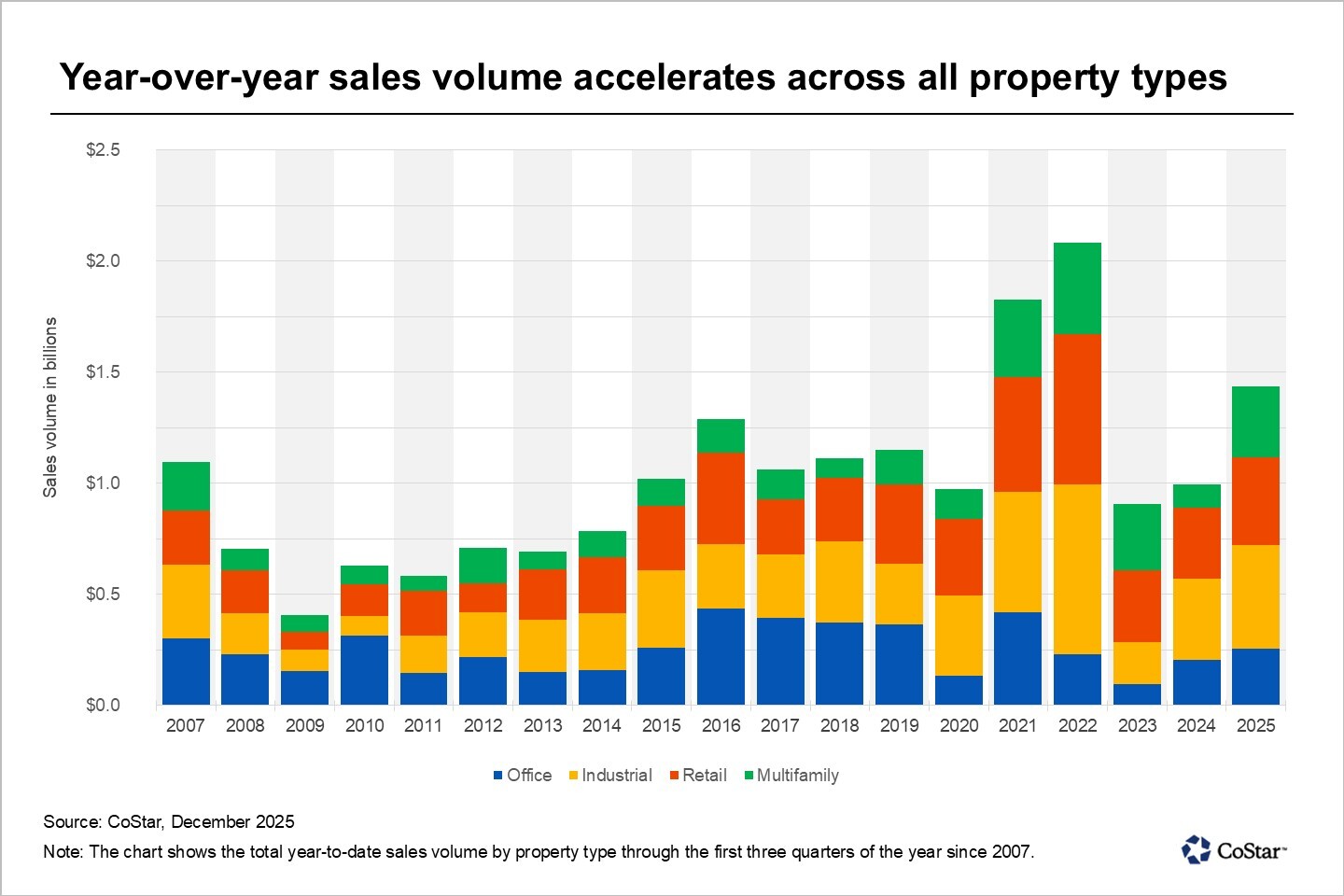
Milwaukee’s commercial real estate market is finally showing real signs of recovery, with 2025 sales volume hitting a three‑year high and investor confidence steadily returning. Driven by selective, fundamentals‑focused buying—favoring strong cash flow, quality assets, and strategic pricing—the city is moving from a period of correction into a healthier, opportunity‑rich phase. For real estate professionals nationwide, Milwaukee’s momentum reflects broader CRE market stabilization and the growing importance of disciplined underwriting and market expertise.

Reverse Mortgage Market Poised for Breakout Growth in 2026

Industry leaders project a major surge in reverse mortgage activity heading into 2026, fueled by rising proprietary products, lender innovation, and strong investor interest. As high interest rates push originators to adopt new strategies, flexible private‑label options, senior‑focused HELOCs, and a wave of big‑capital investment are reshaping the market. With education and policy shifts poised to unlock even more demand, reverse mortgages are entering their most transformative era yet.

The 2026 Housing Market Outlook: Is Better Inventory Finally on the Horizon?

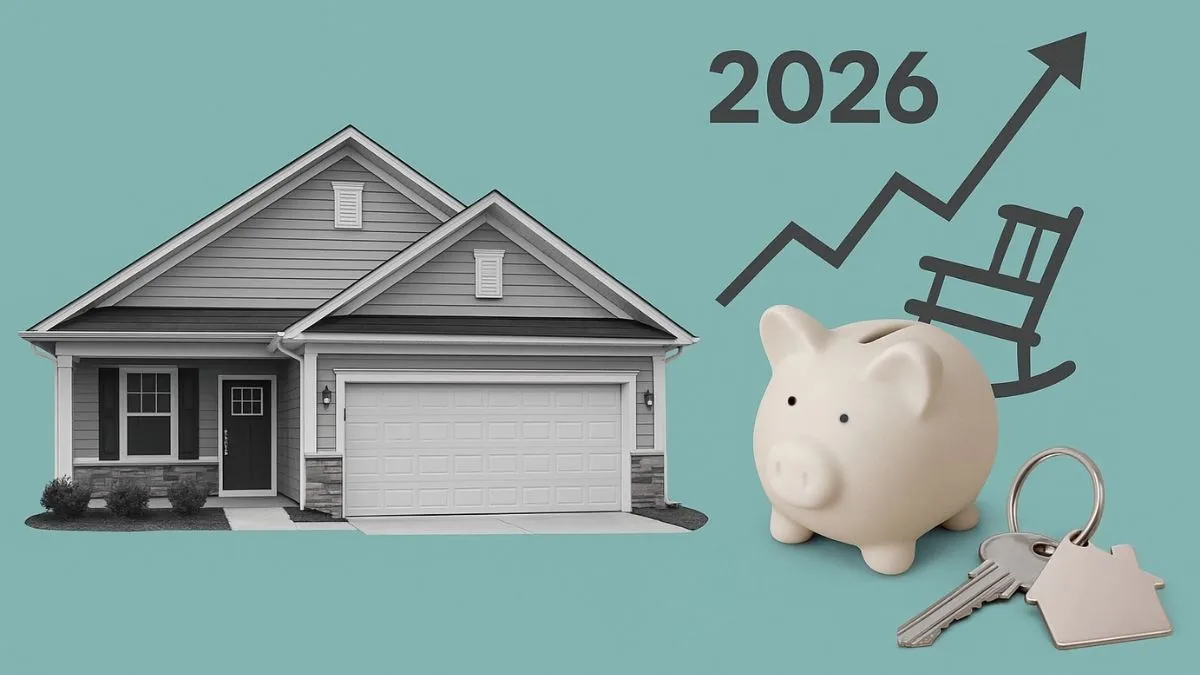
Experts forecast that 2026 may bring long‑awaited relief to homebuyers, with both existing and new home inventory expected to rise. NAR predicts a boost in home sales, a slight drop in mortgage rates, and a modest 4% increase in prices—conditions that could motivate more homeowners to list while builders add over a million new homes to the market. For first‑time buyers, higher loan limits and easing qualification standards may make entering the market more achievable than in recent years.

Lower Interest Rates Signal a Brighter 2026 for South Florida Real Estate

South Florida enters 2026 with renewed optimism as falling mortgage rates, improving buyer confidence, and a strong job market help stabilize a housing landscape that struggled in 2025—especially in the condo sector. While single-family homes remained resilient last year, condos faced price drops, rising fees, and hesitation tied to new safety regulations. With rates projected to fall to around 5.8% by year’s end, buying power is increasing, inventory may loosen, and activity is expected to pick up. Still, affordability challenges persist, Miami’s rental market remains intensely competitive, and the condo sector’s recovery will take time.