AI: The New Architect of Real Estate Transformation

The real estate industry, traditionally steeped in manual processes and human intuition, is undergoing a seismic shift, thanks to artificial intelligence (AI). As the article from Appinventiv highlights, AI is not just a tool but a transformative force reshaping how we buy, sell, and manage properties.
Revolutionizing Real Estate Practices
AI is streamlining transactions, enhancing customer experiences, and boosting productivity. By automating routine tasks, such as property valuations and customer interactions, AI allows real estate professionals to focus on strategic decision-making. The integration of AI in real estate is set to redefine property management, customer service, and investment strategies, with a projected market growth driven by advancements in AI technology.
Applications and Innovations
The article delves into various applications of AI, from virtual tours and automated property valuations to predictive analytics and tenant behavior analysis. Companies like Zillow and Trulia are leveraging AI to provide property valuations and personalized user experiences, respectively. The use of ChatGPT for automated listing descriptions and metaverse technologies for virtual property tours exemplifies AI’s pervasive influence.
Statistical Insights and Future Prospects
According to Precedence Research, the real estate market is expected to grow by $1,047 million by 2032, with AI as a key driver. This growth is fueled by the demand for automated solutions and AI’s ability to offer personalized customer experiences. The article also references a study by JLL Research, which places AI among the top technologies impacting real estate.
Challenges and Opportunities
While the integration of AI in real estate presents opportunities for innovation and competitive advantage, it also poses challenges. Data accessibility, regulatory concerns, and integration complexities are hurdles that need addressing. However, with strategic implementation and ongoing optimization, AI’s role in real estate will continue to expand.
Conclusion
AI is not merely a trend but a catalyst for a new era in real estate. As it integrates with emerging technologies like blockchain and cloud computing, AI promises to revolutionize property transactions, enhance security, and create immersive experiences. The future of real estate is being built on AI’s foundation, offering a blueprint for innovation and growth.


More Articles

Getting licensed or staying ahead in your career can be a journey—but it doesn’t have to be overwhelming. Grab your favorite coffee or tea, take a moment to relax, and browse through our articles. Whether you’re just starting out or renewing your expertise, we’ve got tips, insights, and advice to keep you moving forward. Here’s to your success—one sip and one step at a time!

Revolutionizing Real Estate with IoT: A New Era of Smart Homes

The real estate industry is on the brink of a transformation, driven by the integration of the Internet of Things (IoT). This technological advancement is reshaping how buildings operate and enhancing tenant experiences across the globe.

New Orleans as a Beacon of Resilience: The Sixth Triennial

"This framework postulates New Orleans as already living in the future," said Patterson during the exhibition's opening. Lash added, "We want to show New Orleans as a gift and as a scout." The exhibition, featuring 51 artists across 21 venues, highlights how contemporary art can serve as an engine of coping, rather than mere recovery.

By |March 6, 2025|Categories: Art, Article, Culture|Tags: , |0 Comments

Navigating Trump’s Tax Proposals: Key Changes Ahead

As the dust settles on the recent Republican victory in the U.S. presidential election, the tax landscape is poised for significant changes with President-elect Donald Trump set to return to the White House.

By |March 6, 2025|Categories: Article, Tax Policy, U.S. Politics|Tags: , |0 Comments

Multifamily Housing Sector: Modest Growth and Market Predictions for 2025

As we step into 2025, the multifamily housing sector is projected to experience modest growth. Yardi Matrix anticipates a 1.5% increase in rents, driven by positive economic conditions and stable industry fundamentals, particularly in the Northeast and Midwest regions. However, the rent growth forecasts vary across different markets.

Renter Preferences for 2024: Insights from Industry Surveys

Recent surveys have shed light on the preferences and priorities of renters in 2024, emphasizing the dominance of digital marketing and the importance of community inclusiveness.

AI Revolutionizes the Real Estate Market

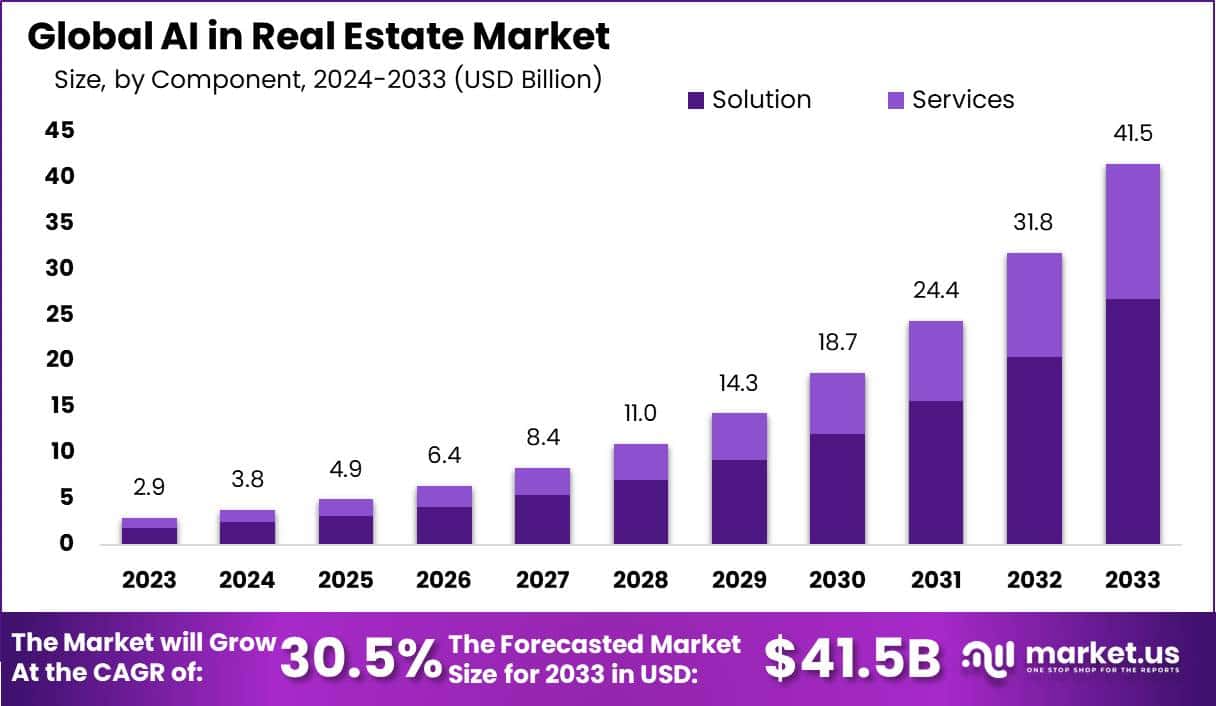
The real estate industry is on the brink of a technological transformation, with Artificial Intelligence (AI) playing a pivotal role. According to a recent report by Market.us, the AI in real estate market is projected to surge from USD 2.9 Billion in 2023 to a staggering USD 41.5 Billion by 2033, growing at an impressive CAGR of 30.5%.