AI: The New Architect of Real Estate Transformation

The real estate industry, traditionally steeped in manual processes and human intuition, is undergoing a seismic shift, thanks to artificial intelligence (AI). As the article from Appinventiv highlights, AI is not just a tool but a transformative force reshaping how we buy, sell, and manage properties.
Revolutionizing Real Estate Practices
AI is streamlining transactions, enhancing customer experiences, and boosting productivity. By automating routine tasks, such as property valuations and customer interactions, AI allows real estate professionals to focus on strategic decision-making. The integration of AI in real estate is set to redefine property management, customer service, and investment strategies, with a projected market growth driven by advancements in AI technology.
Applications and Innovations
The article delves into various applications of AI, from virtual tours and automated property valuations to predictive analytics and tenant behavior analysis. Companies like Zillow and Trulia are leveraging AI to provide property valuations and personalized user experiences, respectively. The use of ChatGPT for automated listing descriptions and metaverse technologies for virtual property tours exemplifies AI’s pervasive influence.
Statistical Insights and Future Prospects
According to Precedence Research, the real estate market is expected to grow by $1,047 million by 2032, with AI as a key driver. This growth is fueled by the demand for automated solutions and AI’s ability to offer personalized customer experiences. The article also references a study by JLL Research, which places AI among the top technologies impacting real estate.
Challenges and Opportunities
While the integration of AI in real estate presents opportunities for innovation and competitive advantage, it also poses challenges. Data accessibility, regulatory concerns, and integration complexities are hurdles that need addressing. However, with strategic implementation and ongoing optimization, AI’s role in real estate will continue to expand.
Conclusion
AI is not merely a trend but a catalyst for a new era in real estate. As it integrates with emerging technologies like blockchain and cloud computing, AI promises to revolutionize property transactions, enhance security, and create immersive experiences. The future of real estate is being built on AI’s foundation, offering a blueprint for innovation and growth.


More Articles

Getting licensed or staying ahead in your career can be a journey—but it doesn’t have to be overwhelming. Grab your favorite coffee or tea, take a moment to relax, and browse through our articles. Whether you’re just starting out or renewing your expertise, we’ve got tips, insights, and advice to keep you moving forward. Here’s to your success—one sip and one step at a time!

Judge Blocks Class Status in Major Commission Lawsuit, Shaking Up the Real Estate Industry

A federal judge has denied class‑certification in the high‑stakes Batton commission lawsuit, delivering a temporary win for NAR and major brokerages while leaving the door open for plaintiffs to try again. With as much as $3.6 billion in potential damages on the line and nearly 80% of the proposed class now disqualified due to conflicts with earlier settlements, the case stands at a pivotal moment. Real estate professionals nationwide — especially in Florida — should watch closely, as the ruling could shape the future of buyer‑agent compensation.

Florida Homeowners Hit Hard by Skyrocketing Insurance Rates as Lawmakers Race Toward Reform

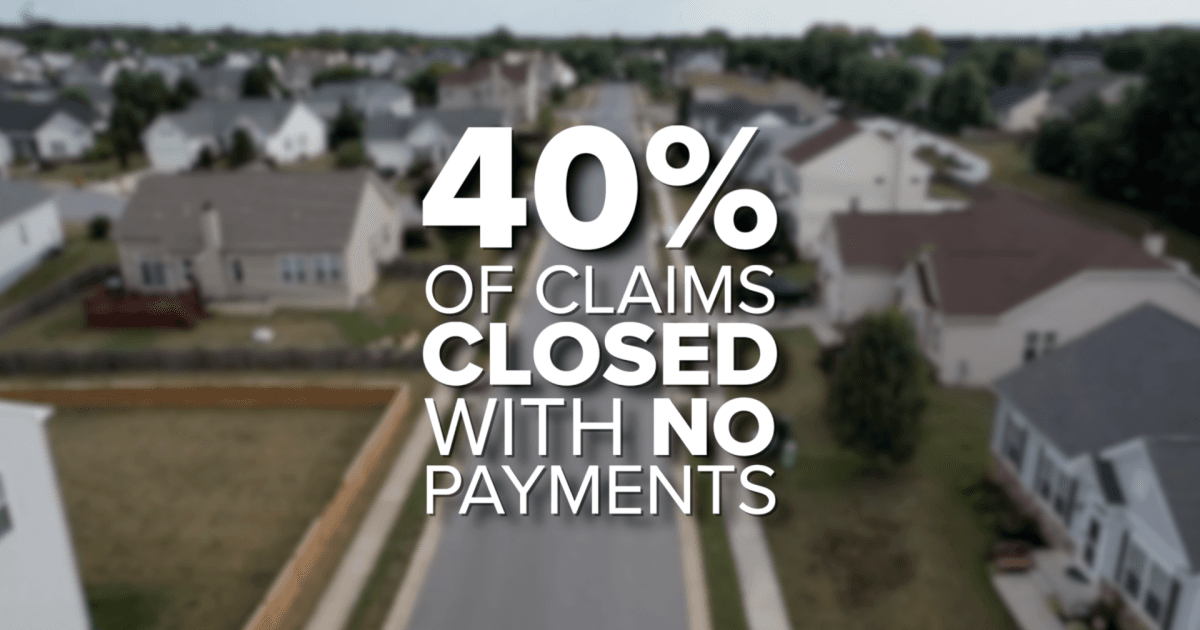
Florida homeowners are paying nearly double the national average for insurance, with premiums now reaching $5,838 a year and denied claims topping 40 percent. Residents report tripled rates, underpaid claims, and mounting financial strain, pushing lawmakers in Tallahassee to propose caps on rate hikes, tax breaks for storm‑proof upgrades, and tighter oversight of insurers. These developments are reshaping real estate and insurance conversations across the state as professionals brace for major industry shifts.

Inside Berkshire County’s Surging 2025 Real Estate Market: Q3 Deep Dive

Berkshire County closed Q3 2025 with strong momentum as sales, dollar volume, and buyer competition all climbed year‑over‑year. Inventory showed slight improvement but remains far below demand, keeping the market tilted toward sellers. Single‑family homes and condos led the surge, while multifamily, land, and commercial sectors showed mixed performance. The region continues to stand out as one of New England’s most resilient real estate markets heading into 2026.

Florida Homeowners Are Reaching a Breaking Point as Insurance Costs Skyrocket

Florida homeowners now face the highest insurance burdens in the nation, with average premiums topping $5,800 per year—roughly $3,000 above the national average. As rates triple for some residents, more Floridians are skipping coverage altogether, while denied claims and slow payouts add to the frustration. With over 40 percent of claims closing with no payment and lawmakers battling over reform in Tallahassee, the crisis is reshaping budgets, homebuying decisions, and the real estate industry statewide.

How Global Investors Are Rewriting the Real Estate Playbook for 2026

Global capital is surging back into real estate—and this time, investors want more control. Colliers’ 2026 Global Investor Outlook reveals a major shift toward direct investments, joint ventures, and hands‑on strategies as money moves across North America, Europe, and the booming Asia‑Pacific markets. Data centers are now the top‑funded asset class, offices are staging a comeback, and adaptive reuse is reshaping cities worldwide. For real estate and finance professionals, the message is clear: opportunity is accelerating, and those with the right education and licensing will be at the center of the action.

Why Lower Interest Rates Still Aren’t Saving Commercial Real Estate

The Fed’s recent rate cuts should have offered relief to commercial real estate—but long-term borrowing costs haven’t budged. While short‑term rates are falling, stubborn long‑term yields, broken deal math, and a trillion‑dollar refinancing wave are keeping the market frozen. For investors and professionals across Florida and the nation, understanding this disconnect is key to navigating the opportunities and risks emerging in today’s shifting CRE landscape.