AI Tools Are Reshaping How Agents Connect With Buyers Heading Into 2026
As 2026 approaches, real estate technology leaders are unveiling the next generation of AI-driven breakthroughs designed to shorten the distance between buyer curiosity and real conversations. For today’s real estate professional, one message stands tall: the future will reward those who embrace intelligent, intent‑aware systems.
The Rise of Conversational, Intent‑Driven Search
Inside Real Estate is commanding attention with its new HomeSearch AI — a natural‑language search engine that interprets how buyers really talk when describing their ideal home. Forget rigid filters. Buyers can now speak in full, human descriptions.
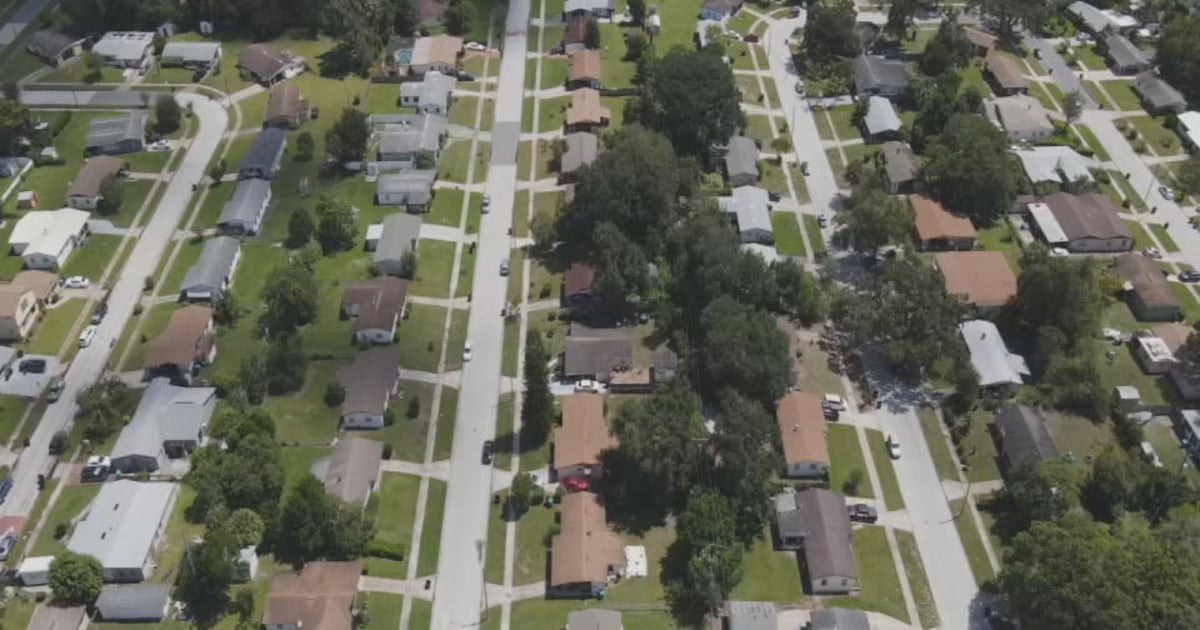
“Someone types in ‘craftsman with a two-car garage, spa-like bathrooms, in a neighborhood with sidewalks and parks’, and the AI understands what they really want,” said Joe Skousen, CEO of Inside Real Estate.
Early adopters report revived databases and renewed client activity — a reminder that sometimes the difference between a silent browser and a warm lead is simply better interpretation.
PropStream Reinvents the Lead as an Opportunity
PropStream is also redefining industry language. Instead of chasing “leads,” the company emphasizes targeted opportunities powered by predictive analytics. These systems highlight likely movers and send timely prompts so agents can take action before competitors even notice.
“I’m always careful now not to say ‘leads,’ but to say ‘opportunities,’” explained Brian Tepfer, CEO of PropStream.
This shift empowers agents to take initiative instead of waiting for forms to be filled — turning reactive business models into proactive pipelines.
MoxiWorks Introduces Relationship Intelligence
MoxiWorks’ newest platform, RISE, adds yet another layer: relationship intelligence. The system identifies ideal outreach moments and helps agents deploy personalized campaigns in minutes.
“The AI isn’t smarter than the agent, but the AI is bringing to the surface something the agent wasn’t thinking about or didn’t have the time to get to yet,” noted Kim Koraca, CMO of MoxiWorks.
This model keeps the agent’s expertise front‑and‑center while the technology quietly handles background analysis — a partnership of intuition and innovation.
What This Means for Agents in 2026
Across the industry, a unified mission is becoming clear: AI is accelerating the path between interest, insight and conversation. For agents, this means more meaningful client interactions and more precise timing than ever before.
And as the industry grows increasingly tech‑driven, professional education becomes essential. That’s where Cameron Academy continues to serve both new and seasoned professionals — offering Florida real estate licensing, renewals, and skill‑boosting courses built for the modern marketplace.
Getting licensed or staying ahead in your career can be a journey—but it doesn’t have to be overwhelming. Grab your favorite coffee or tea, take a moment to relax, and browse through our articles. Whether you’re just starting out or renewing your expertise, we’ve got tips, insights, and advice to keep you moving forward. Here’s to your success—one sip and one step at a time!
Florida homeowners — especially in hard‑hit South Florida — are set to see rare and substantial reductions in their property insurance premiums. Gov. Ron DeSantis announced an average statewide Citizens Insurance decrease of 8.7%, with even larger savings of up to 14% in counties like Miami-Dade, Broward, and Palm Beach. State officials credit recent legal and regulatory reforms for stabilizing the market, attracting new insurers, and delivering the first meaningful rate relief Floridians have seen in years.
Tampa’s commercial real estate market isn’t slowing—it’s maturing. With strong population growth, rising office demand, a normalized industrial sector, resurgent retail, and an emerging health‑care real estate boom, investors are shifting from speed to strategy. Tighter underwriting, cautious capital and increased due‑diligence are shaping a more disciplined market, creating new opportunities for informed professionals.
Florida homeowners are finally seeing relief as Citizens Property Insurance announces a major 8.7% average rate decrease—far larger than originally proposed. Driven by legislative reforms, fewer lawsuits, and a calm hurricane season, the state’s once‑unstable insurance market is showing real signs of recovery. But with reduced coverage limits and shifting legal protections, experts warn that lower premiums may come with hidden trade‑offs.
After a decade of rising premiums and retreating carriers, Florida homeowners are finally seeing long‑awaited relief. Dozens of insurers have filed for rate decreases—some as high as 11%—thanks to legislative reforms and a stabilizing market. Early approvals are already hitting counties across the state, and experts say the momentum could boost buyer confidence, affordability, and competition throughout Florida’s real estate and insurance sectors.
After years of slowed activity caused by rising interest rates, the self‑storage industry is heating up again. New data from Marcus & Millichap shows a fresh market cycle emerging, driven by renewed buyer confidence, recalibrated pricing, and stronger lender participation. Acquisitions are rebounding, development is resetting in a healthier direction, and financing conditions are improving—creating one of the most promising investment landscapes the sector has seen in years.
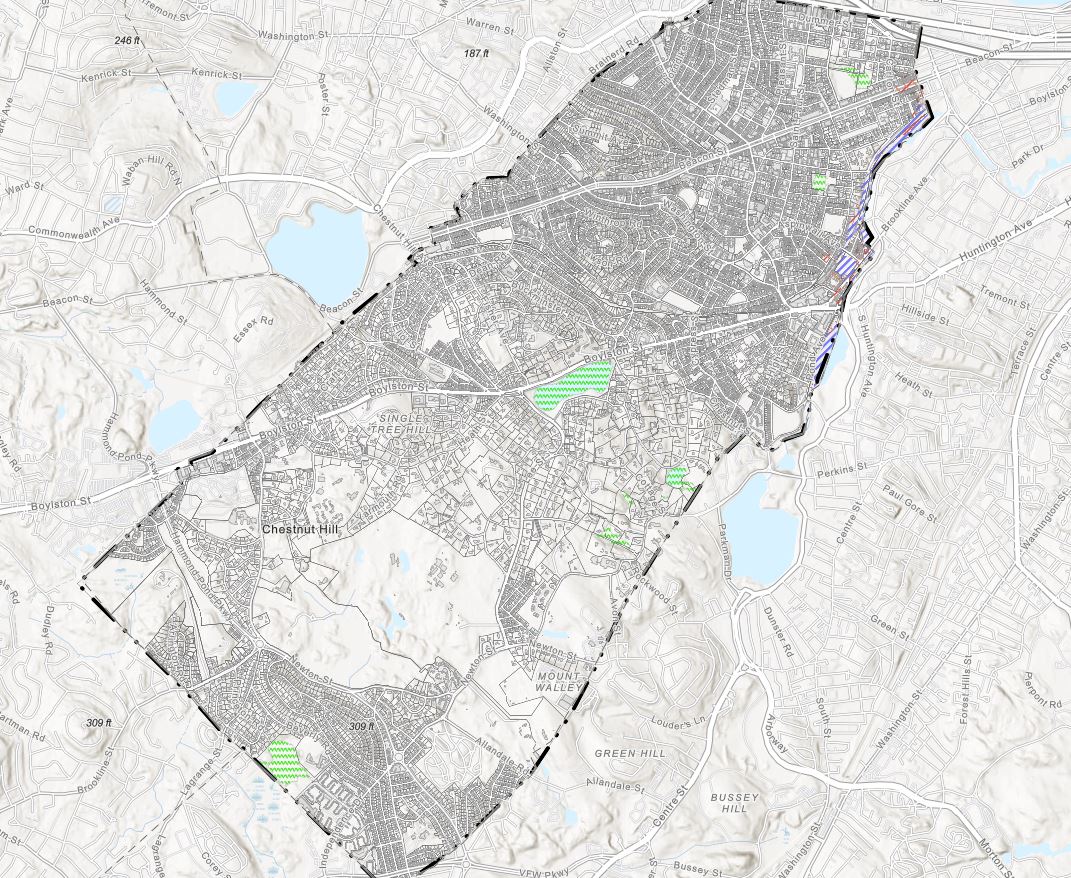
Brookline’s newly updated FEMA flood maps identify 97 high‑risk parcels, but local experts warn the true threat is far greater. While FEMA highlights river‑based flooding around Leverett Pond and the Muddy River, alternative models show more than 1,300 Brookline properties at risk within 30 years. Hidden vulnerabilities along major corridors like Beacon Street, rising rainfall intensity, aging infrastructure, and climate‑driven storm patterns suggest that many “low‑risk” areas may be anything but safe.