In the ever-evolving landscape of health care, artificial intelligence (AI) is emerging as a transformative force, bridging the gap between academic institutions and clinical practice. As reported by Oncology Nurse Advisor, AI is revolutionizing diagnostics, treatment, and patient care, with significant advancements particularly noted in fields like radiology and oncology.


AI’s potential to enhance diagnostic accuracy has been a focal point, as its integration with physician diagnoses is believed to improve confidence and system performance. The original article highlights how AI is being utilized to develop automated cancer detection software, which is crucial for early diagnosis and personalized treatment regimens.


AI in Academic vs Clinical Settings

While academic institutions are at the forefront of AI research, focusing on developing and validating digital therapeutic tools, clinical practices are leveraging AI primarily to improve workflow efficiency. Dr. Ravi B Parikh from the University of Pennsylvania emphasizes that AI tools approved by the FDA are often more accessible to larger academic health systems, leaving smaller clinics at a disadvantage due to cost and data limitations.


Despite these challenges, the potential for AI to reduce the administrative burden in clinical settings is promising. AI can streamline tasks such as billing and claims processing, which could significantly enhance patient satisfaction and management.


Remote Monitoring and Telemedicine

The COVID-19 pandemic has accelerated investment in remote monitoring technologies, with AI-powered wearables and virtual nursing assistants emerging as key tools for patient care. These innovations are particularly beneficial for underserved areas, where AI-driven diagnostic tools can aid health care professionals in making accurate diagnoses based on patient-reported symptoms.


However, device literacy remains a barrier, as noted by Dr. Parikh, who calls for solutions that enhance the ability to process patient visits and improve documentation without necessarily requiring FDA approval.


The Future of AI in Health Care

AI and machine learning hold the promise of more precise immune therapies, improved clinical decision-making, and ultimately, better patient outcomes. Dr. Parikh predicts that within the next 5 to 10 years, AI will become as integrated into health care as electronic health records once were.


As AI continues to evolve, the focus must remain on making these technologies accessible to all health care providers, ensuring that the benefits of AI are felt across both large academic systems and community-based health facilities.


More Articles

Getting licensed or staying ahead in your career can be a journey—but it doesn’t have to be overwhelming. Grab your favorite coffee or tea, take a moment to relax, and browse through our articles. Whether you’re just starting out or renewing your expertise, we’ve got tips, insights, and advice to keep you moving forward. Here’s to your success—one sip and one step at a time!

Global Capital Is Reshaping Real Estate for 2026

Investors worldwide are redeploying capital, embracing more active deal structures, and expanding into new regions as the 2026 market takes shape. Data centers, revived office demand, and global diversification are driving a major shift—creating fresh opportunities for real estate, mortgage, and finance professionals who understand where capital is heading next.

Florida’s Home Insurance Crisis Hits Breaking Point as Premiums Soar and Claims Go Unpaid

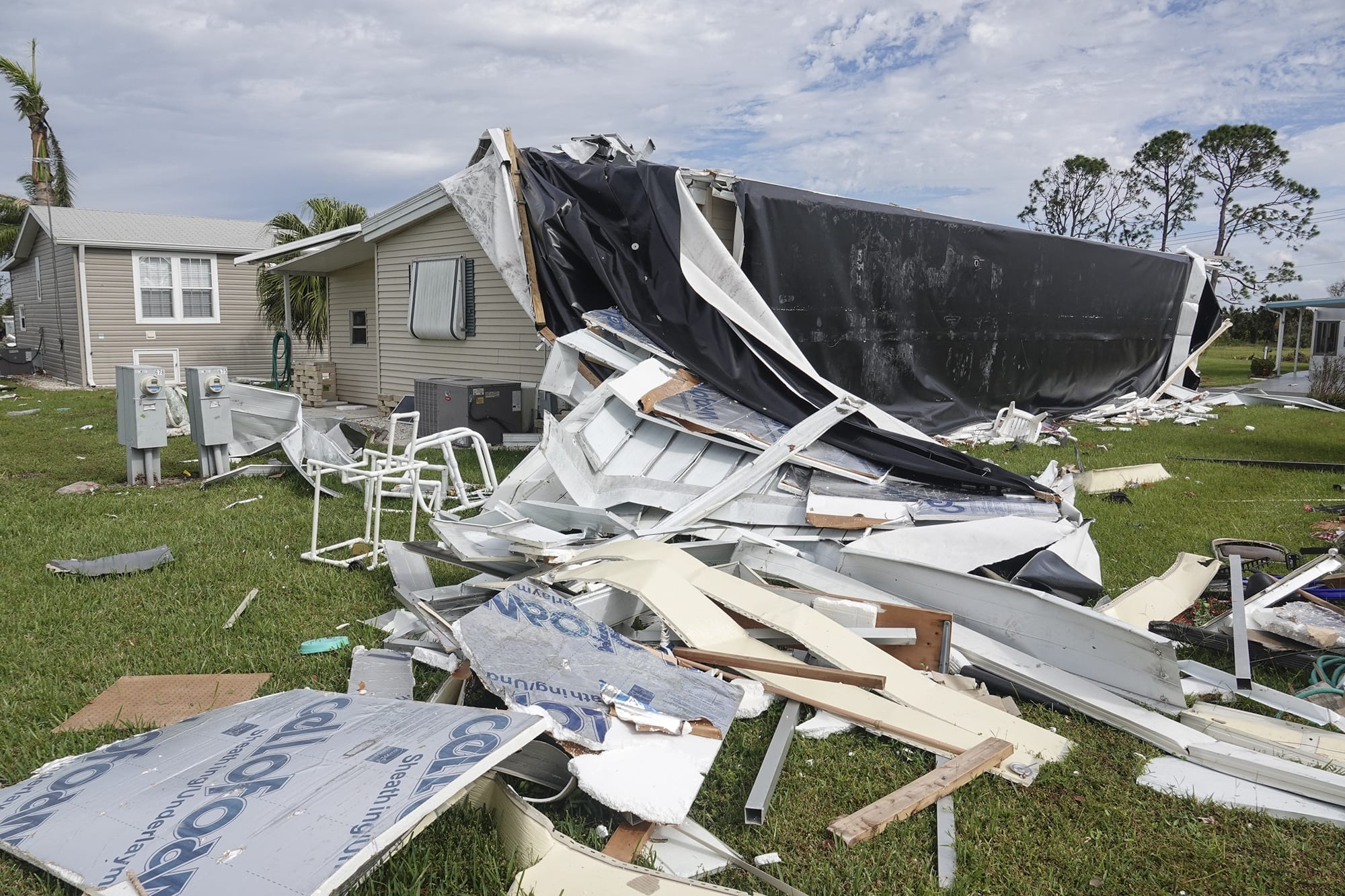
Florida homeowners now pay an average of $5,838 per year for insurance—about $3,000 more than the national average—pushing many families to the financial brink. Residents report premiums tripling, claims being severely underpaid, and insurers dropping policies at one of the highest rates in the country. As frustration mounts, lawmakers and industry experts are calling for sweeping reforms to curb rising costs, increase accountability, and stabilize a market that’s reshaping real estate decisions across the state.

Citizens Insurance Steps Back as Florida’s Private Market Surges

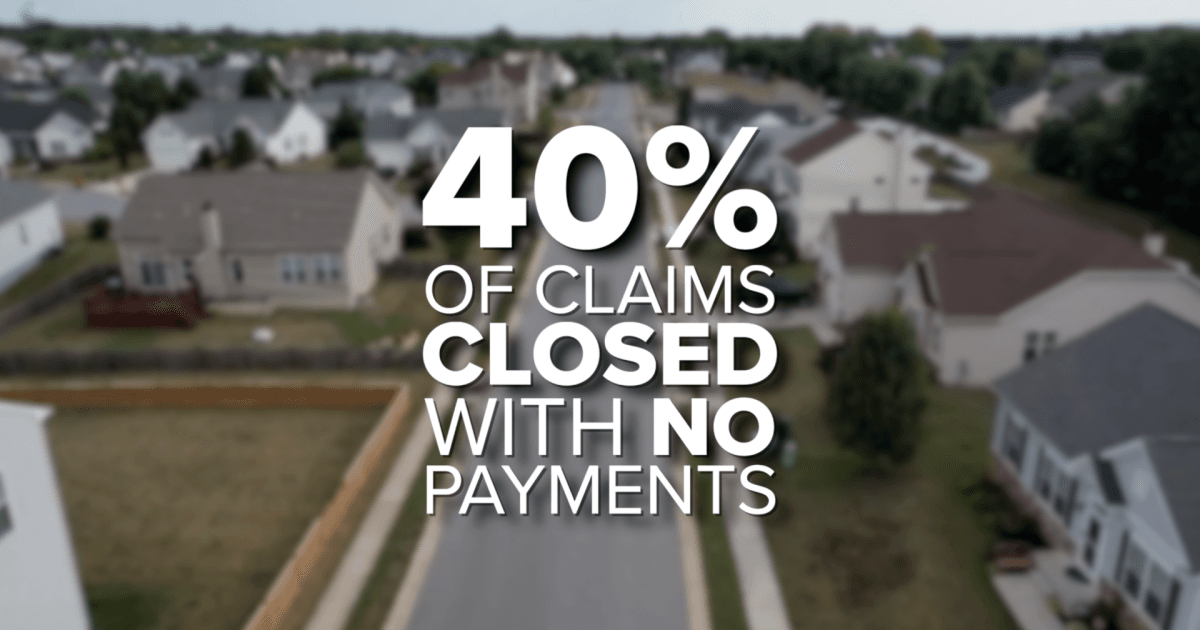
Florida’s insurance market has hit a major turning point. Citizens Property Insurance—once the state’s largest insurer with 1.4 million policies—has shed more than 900,000 policies as private insurers return in force. Driven by Florida’s depopulation program and the arrival of 17 new companies, nearly 200,000 policies shifted to private carriers in October alone, with about 40 percent offering lower premiums. The shift signals rising competition, stabilizing rates, and new opportunities for homeowners and industry professionals navigating Florida’s evolving insurance landscape.

NAR Unveils Biggest MLS Policy Overhaul in 20 Years, Effective 2026

The National Association of REALTORS® has approved 18 major updates to modernize its MLS policies—the largest overhaul in two decades. Announced at NAR NXT in Houston and set to take effect in January 2026, the changes aim to streamline MLS operations, improve enforcement clarity, and better align policies with how today’s real estate professionals actually work.

Inhabit Unveils New AI and Fraud Prevention Tools Transforming Property Management

Inhabit has rolled out a powerful lineup of AI-driven leasing, marketing, fraud prevention, and compliance tools designed to streamline operations and protect property teams from growing risks. From hybrid AI leasing assistants to instant income verification and upcoming portfolio-wide lease audits, these innovations aim to cut costs, eliminate inefficiencies, and strengthen regulatory confidence across the multifamily industry.

Florida’s Insurance System Is Shifting Again—But Are Homeowners Still in the Danger Zone?

Florida’s latest round of insurance reforms was meant to calm a volatile market, yet many experts warn the same deep structural problems remain. Homeowners are being pushed from Citizens into higher‑priced, lightly capitalized private insurers, ratings agencies face scrutiny for inflated grades, and political influence clouds oversight. For real estate and insurance professionals, these trends signal ongoing risk, rising costs, and a market in need of a complete rebuild.