AI Transforming Healthcare: A Leap Forward in Diagnostic Accuracy and Efficiency
The healthcare industry is undergoing a seismic shift, driven by the rapid advancement of artificial intelligence (AI). According to a recent TechTarget article, AI’s profound impact on healthcare is revolutionizing diagnostic accuracy, surgical precision, and operational efficiency.
A comprehensive study from Tata Consultancy Services reveals that nearly 94% of healthcare executives have already integrated AI or have plans to do so. This widespread adoption underscores AI’s transformative potential in the medical field.
Enhancing Diagnostic Accuracy
AI’s ability to analyzemedical images with a precision that often surpasses human capabilities is one of its most promising applications. This technology is pivotal in early disease detection, such as identifying cancerous cells in mammograms, thereby improving patient outcomes through timely interventions.
Revolutionizing Surgical Procedures
AI is also making waves in surgical procedures. Robotics-assisted surgeries, like endovascular neurosurgery, are becoming more common, offering enhanced precision and reducing complication risks. These systems empower surgeons to perform complex operations with greater accuracy, leading to improved patient outcomes and shorter recovery times.
Boosting Productivity
According to the TCS study, AI is a significant driver of productivity in healthcare. Approximately 40% of executives anticipate incremental productivity gains, while 26% expect AI to double their productivity. AI achieves this by automating routine tasks, streamlining operations, and providing decision support to healthcare professionals.
Challenges and Ethical Considerations
Despite AI’s immense potential, the study highlights several challenges in its implementation, such as the lack of cohesive AI strategies and metrics to measure success. Additionally, nearly 75% of companies are revamping their strategies to leverage AI fully. This includes changes to business models and ensuring staff are adequately trained to use AI tools effectively.
The rapid advancement of AI in healthcare raises important regulatory and ethical considerations. The study notes that 81% of leaders have called for a global set of regulations and standards on AI to ensure responsible use and protect patient privacy and data security.
As AI continues to evolve, it is poised to revolutionize the healthcare industry by enhancing diagnostic accuracy, improving surgical precision, and boosting productivity. However, to fully realize these benefits, healthcare providers must develop cohesive AI strategies, establish clear KPIs, and navigate the regulatory landscape carefully.
More Articles
Getting licensed or staying ahead in your career can be a journey—but it doesn’t have to be overwhelming. Grab your favorite coffee or tea, take a moment to relax, and browse through our articles. Whether you’re just starting out or renewing your expertise, we’ve got tips, insights, and advice to keep you moving forward. Here’s to your success—one sip and one step at a time!
Florida’s home insurance market is experiencing a wave of optimism as recent litigation reforms lead to fewer lawsuits, stronger insurer stability, and even rate reductions. With companies like Florida Peninsula lowering premiums and 17 new insurers entering the state, real estate, mortgage, and insurance professionals can expect smoother transactions, increased buyer confidence, and a more competitive market environment in the year ahead.
Mortgage rates have dipped to levels not seen since 2022, with the 30‑year fixed averaging just 6.361% and Freddie Mac reporting an even lower 6.06%. The drop is reshaping buyer affordability, sparking renewed market activity, and creating fresh opportunities for real estate professionals—especially in fast‑moving markets like Florida.
The 2026 housing market is shaping up to be one of the most pivotal in years, with mortgage rates showing slight relief, affordability shifting toward the Midwest and South, and buyers turning to options like ARMs and new‑construction homes. Early signals point to new opportunities for buyers, investors, and real‑estate professionals—especially those ready to navigate a market defined by moderate rate drops, regional affordability gaps, and builder‑driven incentives.
Ares Commercial Real Estate CEO Bryan Donohoe sold US$107k in shares this week, trimming his stake by 13% and adding to a pattern of insider selling with no insider purchases in the past 12 months. With insider ownership sitting at a modest 1.6%, the activity signals a cautious tone inside the company—something real estate, mortgage, and finance professionals may want to watch as they assess broader market confidence.
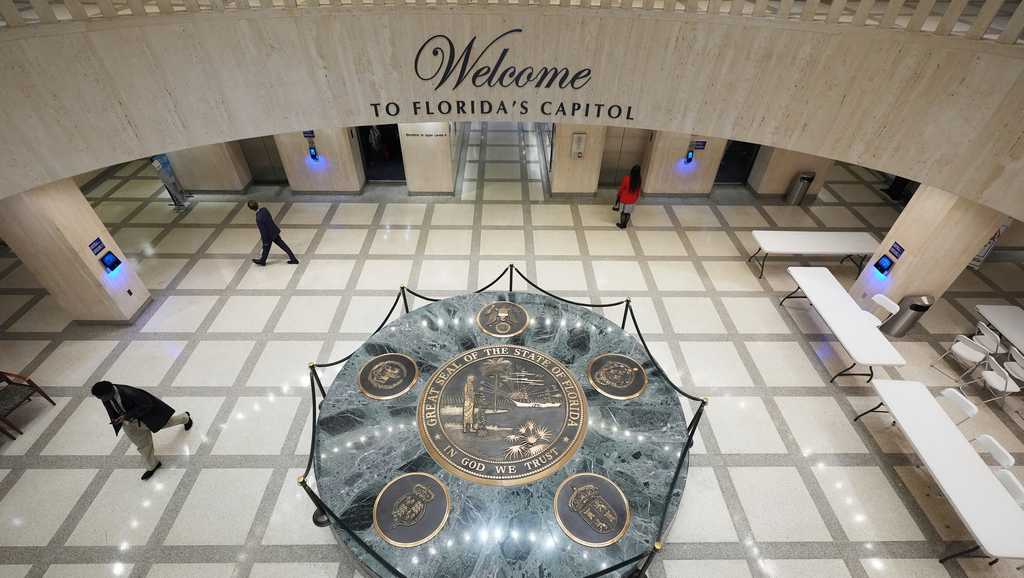
Florida’s 2026 legislative session is officially underway, launching a wave of high‑impact bills targeting property insurance reform, a proposal to eliminate property taxes, new education attendance requirements, and even an AI Bill of Rights. With over a hundred bills already filed, real estate agents, investors, insurers, educators, and other licensed professionals can expect significant regulatory shifts that may reshape Florida’s housing market, insurance costs, and professional compliance standards.
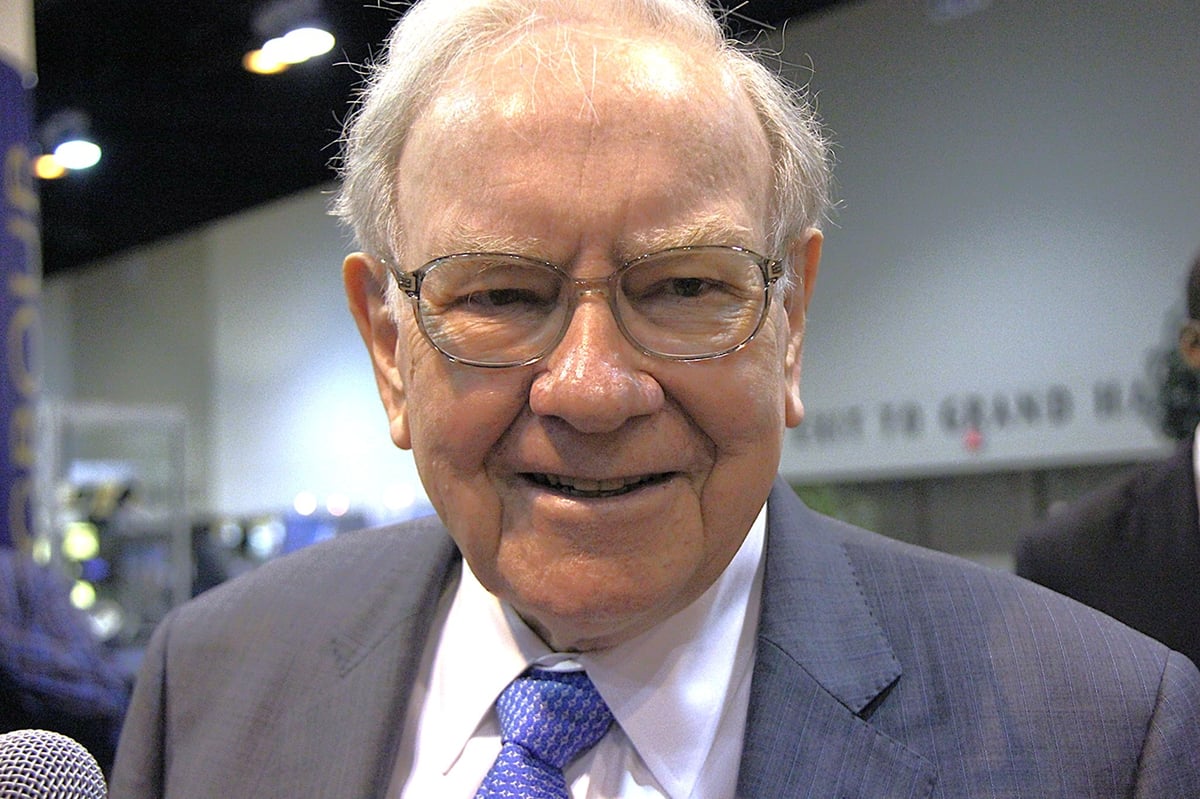
Warren Buffett’s timeless investing wisdom is more relevant than ever in 2026. Despite decades of market change, his core lesson remains the same: long‑term conviction outperforms short‑term prediction. From embracing occasional underperformance to avoiding emotional decisions, Buffett’s philosophy highlights why deep understanding and steady confidence are more valuable than trying to forecast market swings. This mindset isn’t just for investors—it’s a guiding principle for professionals looking to grow their careers with clarity and purpose.