AI’s Expanding Role: Balancing Innovation and Responsibility
The rapid advancement of artificial intelligence (AI) technologies is reshaping the world around us, often without us even realizing it. Whether it’s in healthcare, finance, or governance, AI’s influence is pervasive. Yet, as we embrace these innovations, we must also grapple with the ethical concerns they bring, such as fairness, bias, security, and resilience.
According to a recent article by the National Institute of Standards and Technology (NIST), these concerns are not merely academic. As AI systems become integral to processes like consumer credit underwriting, the need for trustworthy and responsible AI becomes paramount.
Understanding Bias in AI
A comprehensive report on AI bias by NIST highlights that fairness and bias are complex issues that can’t be reduced to simple statistics. The report underscores the importance of context in understanding these biases, especially in sectors like finance where decisions can have significant impacts on lives.
For instance, AI’s role in determining creditworthiness raises questions about fairness. Historical data used to train AI systems often reflects societal biases, potentially perpetuating inequalities. To address this, NIST is leading efforts to develop guidance and testing infrastructure aimed at mitigating AI bias in specific contexts, starting with consumer credit underwriting.
Collaborative Efforts to Mitigate Bias
NIST’s work involves collaboration with industry partners, from small startups to large banks, to gather insights and develop tools that detect and manage bias. Workshops, such as the Mitigating AI Bias in Context workshop, have been instrumental in framing research questions and gathering feedback from diverse stakeholders.
The goal is to ensure that AI systems operate fairly and responsibly, balancing innovation with risk management. By working with companies committed to solving these challenges, NIST aims to align business interests with societal needs.
Looking Ahead
As AI continues to shape our lives, the importance of eliminating bias becomes increasingly critical. NIST’s ongoing studies aim to map findings from specific sectors to broader principles established in their earlier reports, ensuring consistency and harmony.
In conclusion, while AI offers immense potential, it also demands careful consideration of its societal impacts. By addressing these concerns proactively, we can harness AI’s power responsibly, ensuring it serves the needs of all people equitably.
More Articles
Getting licensed or staying ahead in your career can be a journey—but it doesn’t have to be overwhelming. Grab your favorite coffee or tea, take a moment to relax, and browse through our articles. Whether you’re just starting out or renewing your expertise, we’ve got tips, insights, and advice to keep you moving forward. Here’s to your success—one sip and one step at a time!
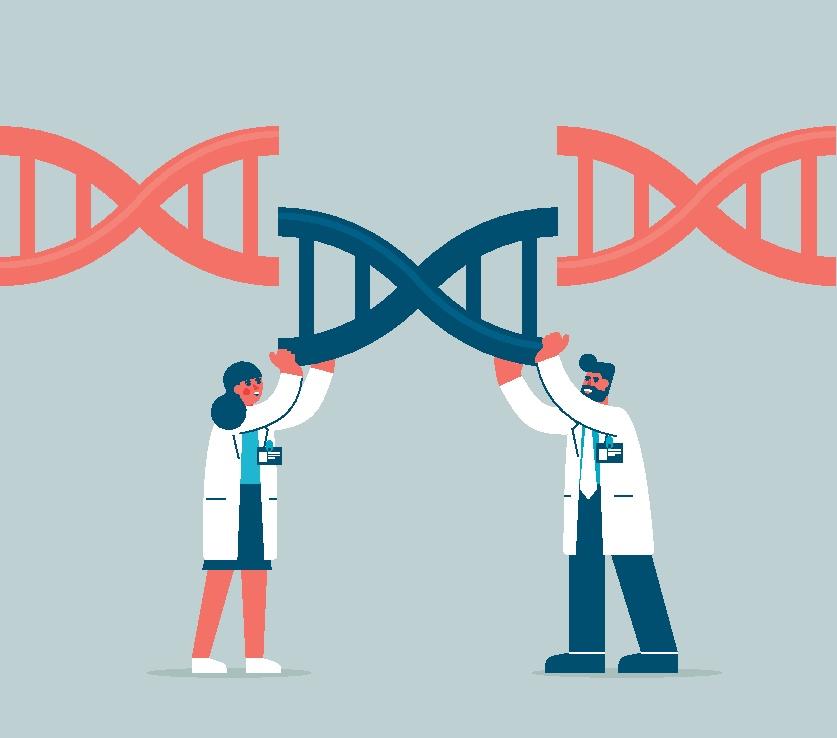
Gene editing technology is swiftly emerging as a transformative force in both healthcare and agriculture, particularly through tools like CRISPR-Cas9, which offer precise methods to modify genes and promise to revolutionize treatment for genetic disorders, cancer, and infectious diseases.
Angela Wong, Chief Marketing and Customer Officer at AXA Hong Kong & Macau, underscores the critical need for comprehensive insurance solutions for gig workers.
The AMA highlights that AI's integration must be guided by the fundamental principles of medical ethics: patient autonomy, beneficence, nonmaleficence, and justice.
AI, which simulates human intelligence, is reshaping various sectors, particularly healthcare. The ability to perform complex tasks, such as diagnostics and personalized healthcare, is no longer confined to human capabilities alone.
A recent study published in Nature on July 25, 2024, unveils a cutting-edge chatbot named Chat Ella, designed to assist in the diagnosis of chronic diseases.