AI’s Expanding Role: Balancing Innovation and Responsibility
The rapid advancement of artificial intelligence (AI) technologies is reshaping the world around us, often without us even realizing it. Whether it’s in healthcare, finance, or governance, AI’s influence is pervasive. Yet, as we embrace these innovations, we must also grapple with the ethical concerns they bring, such as fairness, bias, security, and resilience.
According to a recent article by the National Institute of Standards and Technology (NIST), these concerns are not merely academic. As AI systems become integral to processes like consumer credit underwriting, the need for trustworthy and responsible AI becomes paramount.
Understanding Bias in AI
A comprehensive report on AI bias by NIST highlights that fairness and bias are complex issues that can’t be reduced to simple statistics. The report underscores the importance of context in understanding these biases, especially in sectors like finance where decisions can have significant impacts on lives.
For instance, AI’s role in determining creditworthiness raises questions about fairness. Historical data used to train AI systems often reflects societal biases, potentially perpetuating inequalities. To address this, NIST is leading efforts to develop guidance and testing infrastructure aimed at mitigating AI bias in specific contexts, starting with consumer credit underwriting.
Collaborative Efforts to Mitigate Bias
NIST’s work involves collaboration with industry partners, from small startups to large banks, to gather insights and develop tools that detect and manage bias. Workshops, such as the Mitigating AI Bias in Context workshop, have been instrumental in framing research questions and gathering feedback from diverse stakeholders.
The goal is to ensure that AI systems operate fairly and responsibly, balancing innovation with risk management. By working with companies committed to solving these challenges, NIST aims to align business interests with societal needs.
Looking Ahead
As AI continues to shape our lives, the importance of eliminating bias becomes increasingly critical. NIST’s ongoing studies aim to map findings from specific sectors to broader principles established in their earlier reports, ensuring consistency and harmony.
In conclusion, while AI offers immense potential, it also demands careful consideration of its societal impacts. By addressing these concerns proactively, we can harness AI’s power responsibly, ensuring it serves the needs of all people equitably.
More Articles
Getting licensed or staying ahead in your career can be a journey—but it doesn’t have to be overwhelming. Grab your favorite coffee or tea, take a moment to relax, and browse through our articles. Whether you’re just starting out or renewing your expertise, we’ve got tips, insights, and advice to keep you moving forward. Here’s to your success—one sip and one step at a time!
After nearly 20 years under uniquely harsh lending rules, Florida may finally see its condo market freed from a 25% down payment requirement imposed only on the state. Industry leaders say Fannie Mae could announce changes as early as December—potentially restoring the standard 10% down payment used everywhere else in the country. Experts believe the shift would boost maintenance funding, improve affordability, and stabilize Florida’s condo market after years of strain.
Phoenix’s commercial real estate market is shaking off years of uncertainty as broker optimism hits its highest level since interest rates began climbing. The latest ASU Commercial Broker Sentiment Index soared to 62.7, signaling strong confidence across multifamily, retail, office, and capital markets. With population growth accelerating, interest rates easing, and AI boosting industry efficiency, Phoenix is positioning itself for a powerful run into 2026—offering meaningful opportunities for both new and seasoned real estate professionals.
Michigan’s House Rules Committee heard testimony on a proposal that would let licensed professionals complete all required continuing education online. Supporters say the change would modernize outdated rules, reduce costs, and improve access for rural and busy workers. The state licensing department backs the measure, and lawmakers noted it could reshape CE options across industries from real estate to insurance and healthcare.
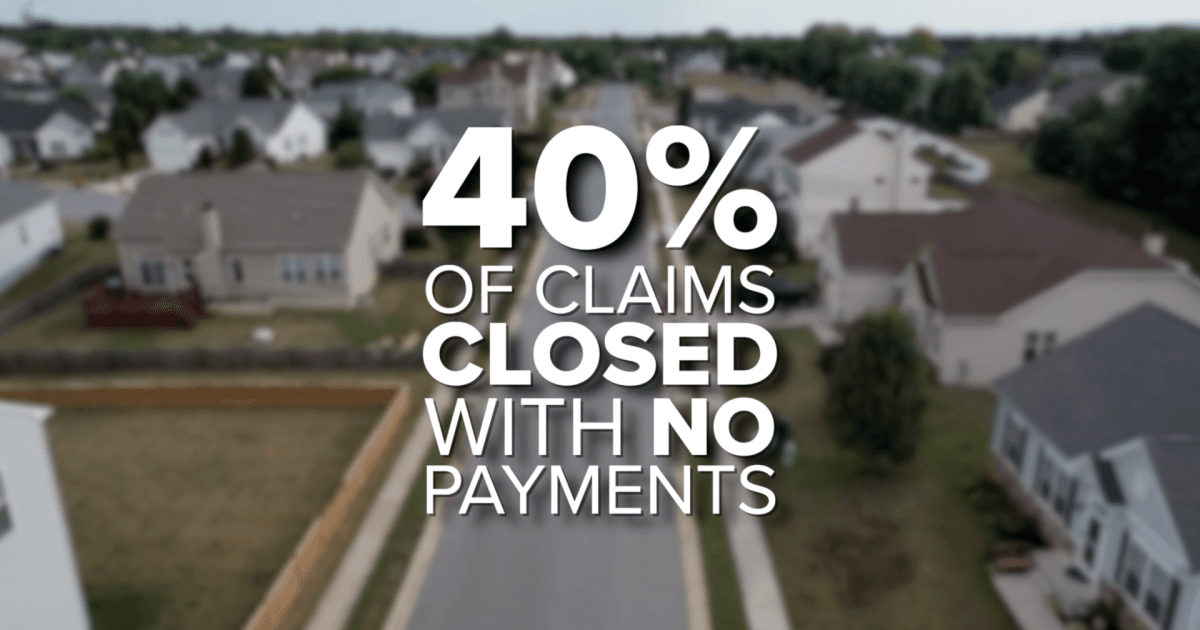
Florida homeowners are now paying an average of $5,838 per year for insurance — nearly $3,000 above the national average — making it one of the most expensive states in the country. As premiums continue to triple for some residents, many are being forced into tough decisions, from delaying home improvements to dropping coverage altogether. With more than 40% of claims closed with no payment and lawmakers pushing for aggressive reforms, the crisis is reshaping Florida’s housing market and placing growing pressure on real estate, mortgage, and insurance professionals statewide.
Griffin Funding has elevated John Jones to Senior Vice President of Growth and EOS Integrator, marking a major step in the company’s long-term expansion strategy. Already a key operational leader since April 2025, Jones will now drive performance optimization, market expansion, and leadership development as the lender pursues an ambitious goal of reaching $3 billion in annual non-QM loan volume by 2030. His promotion underscores Griffin Funding’s commitment to scaling strategically while strengthening its position in the fast-growing non-QM space.
Despite recent Federal Reserve rate cuts, commercial real estate remains frozen. Long‑term Treasury yields continue to climb, keeping borrowing costs high and preventing the relief investors expected. With nearly $1 trillion in commercial loans coming due, refinancing at today’s elevated rates is squeezing owners, slowing transactions, and creating a widening gap between buyers and sellers. For patient, well‑capitalized investors, this period of recalibration may offer some of the strongest opportunities in years.