AI’s Expanding Role: Balancing Innovation and Responsibility
The rapid advancement of artificial intelligence (AI) technologies is reshaping the world around us, often without us even realizing it. Whether it’s in healthcare, finance, or governance, AI’s influence is pervasive. Yet, as we embrace these innovations, we must also grapple with the ethical concerns they bring, such as fairness, bias, security, and resilience.
According to a recent article by the National Institute of Standards and Technology (NIST), these concerns are not merely academic. As AI systems become integral to processes like consumer credit underwriting, the need for trustworthy and responsible AI becomes paramount.
Understanding Bias in AI
A comprehensive report on AI bias by NIST highlights that fairness and bias are complex issues that can’t be reduced to simple statistics. The report underscores the importance of context in understanding these biases, especially in sectors like finance where decisions can have significant impacts on lives.
For instance, AI’s role in determining creditworthiness raises questions about fairness. Historical data used to train AI systems often reflects societal biases, potentially perpetuating inequalities. To address this, NIST is leading efforts to develop guidance and testing infrastructure aimed at mitigating AI bias in specific contexts, starting with consumer credit underwriting.
Collaborative Efforts to Mitigate Bias
NIST’s work involves collaboration with industry partners, from small startups to large banks, to gather insights and develop tools that detect and manage bias. Workshops, such as the Mitigating AI Bias in Context workshop, have been instrumental in framing research questions and gathering feedback from diverse stakeholders.
The goal is to ensure that AI systems operate fairly and responsibly, balancing innovation with risk management. By working with companies committed to solving these challenges, NIST aims to align business interests with societal needs.
Looking Ahead
As AI continues to shape our lives, the importance of eliminating bias becomes increasingly critical. NIST’s ongoing studies aim to map findings from specific sectors to broader principles established in their earlier reports, ensuring consistency and harmony.
In conclusion, while AI offers immense potential, it also demands careful consideration of its societal impacts. By addressing these concerns proactively, we can harness AI’s power responsibly, ensuring it serves the needs of all people equitably.
More Articles
Getting licensed or staying ahead in your career can be a journey—but it doesn’t have to be overwhelming. Grab your favorite coffee or tea, take a moment to relax, and browse through our articles. Whether you’re just starting out or renewing your expertise, we’ve got tips, insights, and advice to keep you moving forward. Here’s to your success—one sip and one step at a time!
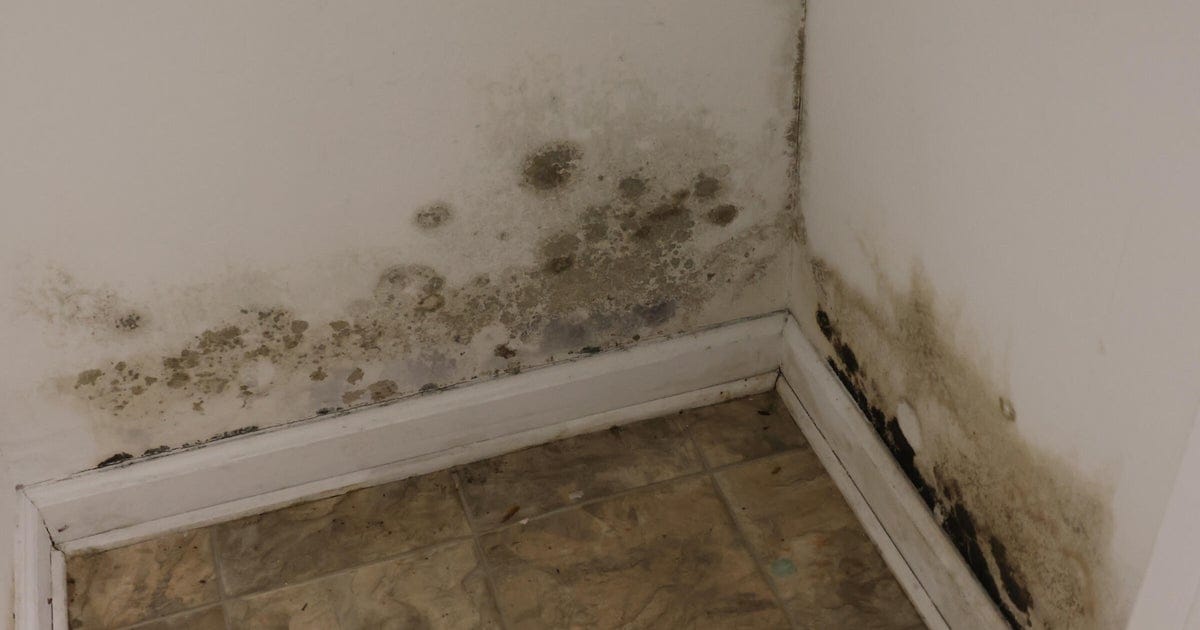
Extreme storms are triggering a surge in hidden mold growth across nearly half of U.S. homes, creating a growing health and financial emergency for families and real estate professionals. From rapid post‑storm mold development to soaring remediation costs, this silent threat is reshaping property safety, insurance challenges, and the future of housing in high‑risk regions.
A Florida consumer has filed a class action accusing Rocket Mortgage of repeatedly calling her even after confirming her opt‑out request, marking the company’s 56th TCPA‑related lawsuit. The complaint claims Rocket continued outreach for nearly three weeks—despite a STOP confirmation—and could impact more than 10,000 consumers nationwide.
Mortgage rates rose for the third straight week, reaching their highest level in a month and triggering a 5.2% drop in overall mortgage applications. Refinance activity slid 7%, purchase demand dipped 2%, and analysts say uncertainty in the bond market is keeping rates on a choppy path. Despite the pullback, today’s loan activity still sits well above last year’s lows, signaling that buyers remain active—but increasingly cautious.
Florida has approved a 6.9% reduction in workers’ compensation insurance rates for 2026, marking the ninth straight year of decreases. The cut, signed by Insurance Commissioner Mike Yaworsky, takes effect January 1 and lowers costs for all new and renewal policies. State officials say the trend reflects improved workplace safety and will help businesses reduce expenses and support growth across industries including real estate, construction, and property management.
Mortgage rates are dipping, inventory is soaring, and—for the first time in years—buyers have real leverage. While home prices remain at record highs and the economy feels unpredictable, rising inventory and cooling rates are creating rare opportunities for financially ready buyers. If you’ve been waiting for the market to open a door, this may be your moment to step through.
Miami developers are pitching 'safe spaces' for millionaires amid fears of a political shift in New York City. Concerns over higher taxes and crime are prompting some New Yorkers to consider relocating south.