AI and the Future of Finance in Des Moines: Opportunity, Disruption, and a New Era of Talent
The Des Moines metro has long been the beating heart of America’s finance and insurance industries, home to national giants like Wells Fargo, Athene, Farm Bureau Financial Services, Principal Financial, EMC Insurance, and Nationwide. But now, another giant has arrived—one that doesn’t clock in, buy lunch, or pay local taxes.
Artificial Intelligence, including the very technologies powering today’s AI assistants and copilots, is quietly reshaping the region’s economic foundation. In an irony fit for a business school case study, the supercomputer used to train ChatGPT itself once lived inside a Microsoft data center right in West Des Moines—mere minutes from the companies whose future workforce needs may be changed by the technology it helped create.
Will AI Replace Finance Jobs in the Metro?
Leaders like Wells Fargo’s Charlie Scharf and JPMorgan Chase’s Jamie Dimon have been open about AI’s ability to take on certain highly quantitative tasks. The Des Moines Register notes that finance employment in the metro has already been drifting downward since its 2017 peak. Now, with AI advancing rapidly, many wonder if the trend will accelerate.
But the picture isn’t entirely bleak. Interviews with academics, economic forecasters, city planners, and students entering the finance world suggest a more nuanced future—one in which AI handles routine tasks while humans shift toward strategy, interpretation, client counseling, and innovation.
A Community Impact Beyond the Office Walls
AI may be efficient, but it doesn’t move into Waukee, shop at Hy-Vee, or fill up at Casey’s. The ripple effects of workforce shifts matter deeply to local communities. Suburban growth, retail vitality, and even Des Moines’ downtown energy are tied to the thousands of finance professionals who call the metro home.
One big question remains: If AI reduces entry‑level finance jobs, where will the next generation of leaders gain their foundational experience?
The Des Moines Register’s full analysis explores this in depth and is worth a read for anyone watching the crossroads of technology and finance.
In his weekly “From the Archives” series, business editor Bill Steiden brings readers fascinating snapshots of Iowa history—from Jimmy Carter’s momentum‑setting 1976 caucus win, to the days when Iowa’s future ethanol industry was introduced under the name “gasohol”, to proposals to turn the historic state penitentiary into an Alcatraz‑style attraction.
His storytelling highlights how the city’s past is filled with character, ambition, mischief, and vision—a reminder that Des Moines’ identity has always been shaped by strong personalities and bold ideas.
What This Means for Today’s Professionals
Whether you’re in finance, insurance, real estate, or any licensed profession, one truth is clear: AI is shifting the skills landscape. Adaptability and ongoing education are quickly becoming career superpowers.
For professionals navigating these changes, upskilling is no longer optional. Schools like Cameron Academy help future‑focused workers stay ahead—whether through real estate licensing, finance‑adjacent certifications, continuing education, or training that strengthens your competitive edge in an AI‑augmented world.
Getting licensed or staying ahead in your career can be a journey—but it doesn’t have to be overwhelming. Grab your favorite coffee or tea, take a moment to relax, and browse through our articles. Whether you’re just starting out or renewing your expertise, we’ve got tips, insights, and advice to keep you moving forward. Here’s to your success—one sip and one step at a time!
Florida homeowners — especially in hard‑hit South Florida — are set to see rare and substantial reductions in their property insurance premiums. Gov. Ron DeSantis announced an average statewide Citizens Insurance decrease of 8.7%, with even larger savings of up to 14% in counties like Miami-Dade, Broward, and Palm Beach. State officials credit recent legal and regulatory reforms for stabilizing the market, attracting new insurers, and delivering the first meaningful rate relief Floridians have seen in years.
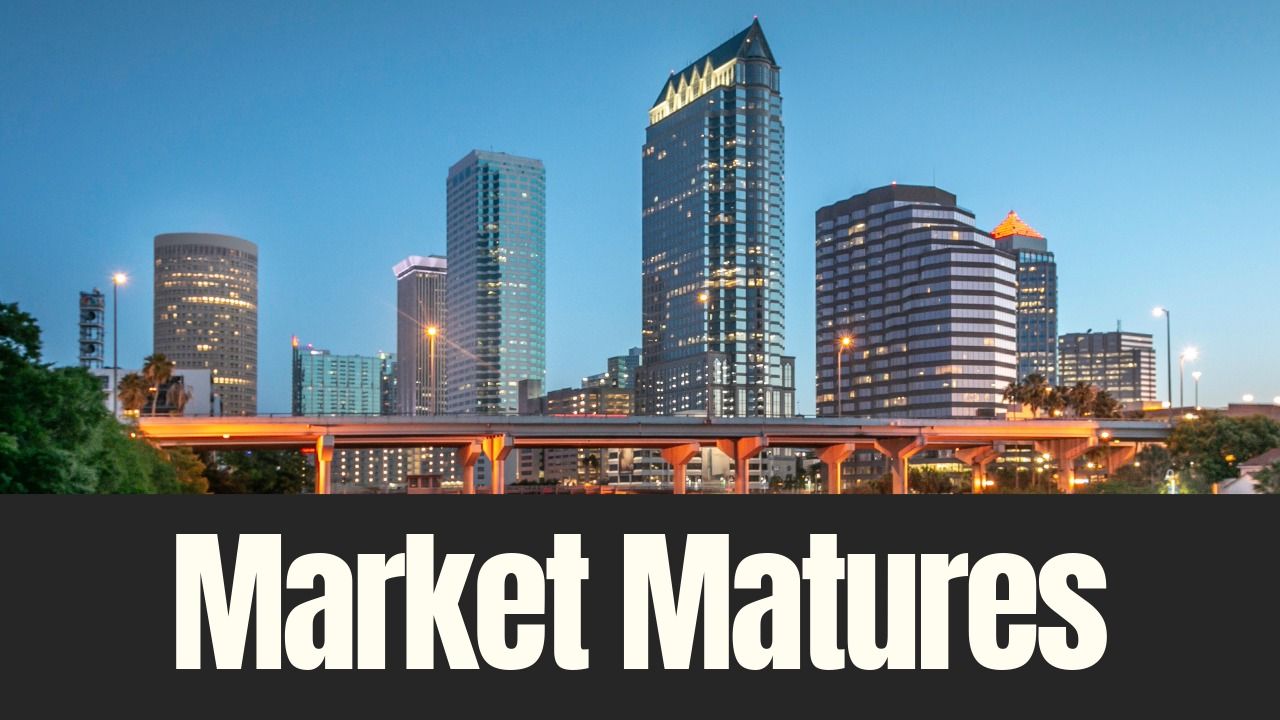
Tampa’s commercial real estate market isn’t slowing—it’s maturing. With strong population growth, rising office demand, a normalized industrial sector, resurgent retail, and an emerging health‑care real estate boom, investors are shifting from speed to strategy. Tighter underwriting, cautious capital and increased due‑diligence are shaping a more disciplined market, creating new opportunities for informed professionals.
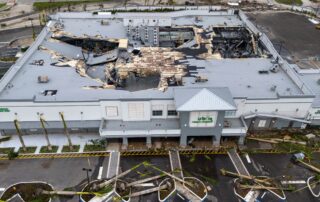
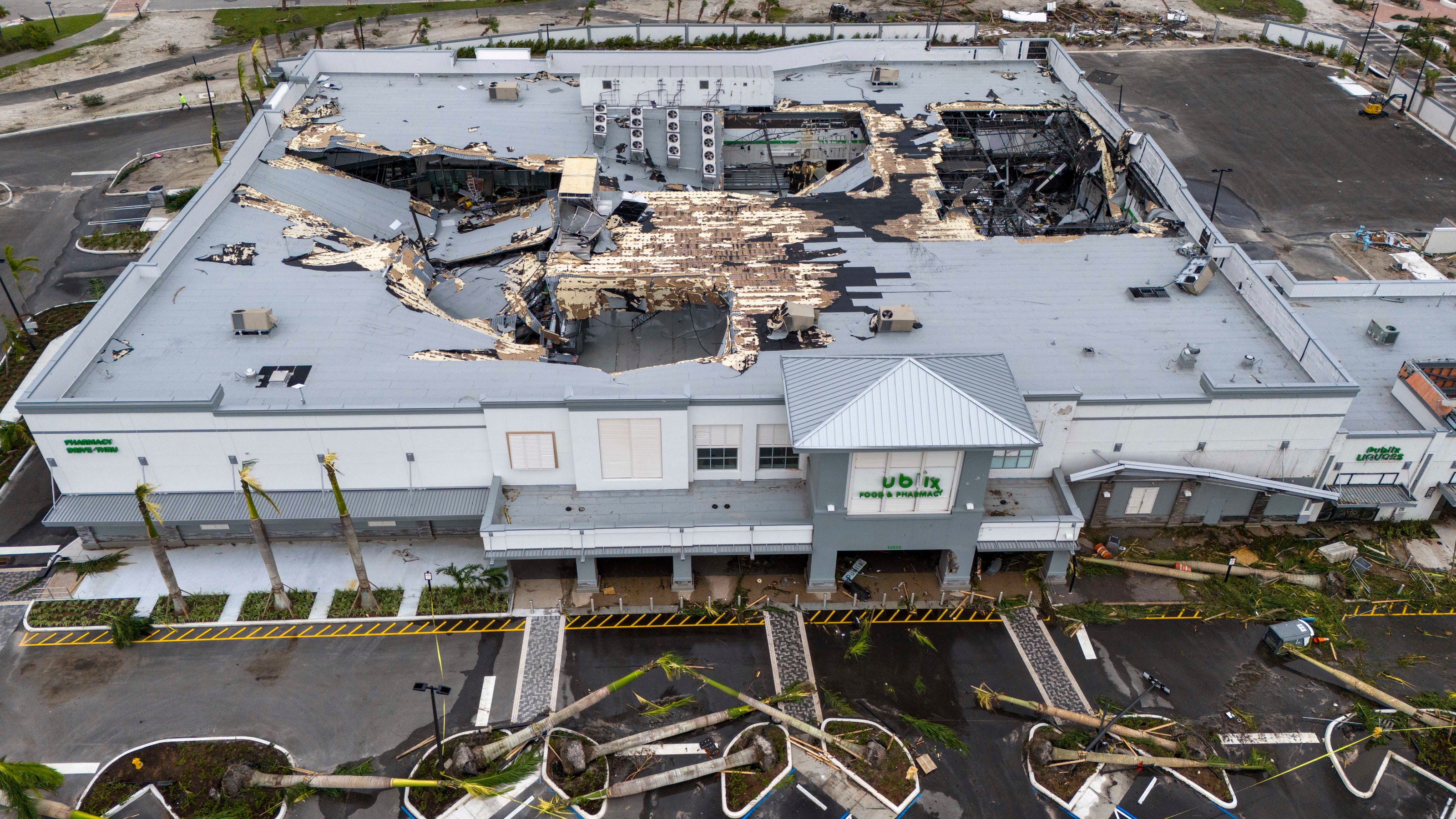
Florida homeowners are finally seeing relief as Citizens Property Insurance announces a major 8.7% average rate decrease—far larger than originally proposed. Driven by legislative reforms, fewer lawsuits, and a calm hurricane season, the state’s once‑unstable insurance market is showing real signs of recovery. But with reduced coverage limits and shifting legal protections, experts warn that lower premiums may come with hidden trade‑offs.
After a decade of rising premiums and retreating carriers, Florida homeowners are finally seeing long‑awaited relief. Dozens of insurers have filed for rate decreases—some as high as 11%—thanks to legislative reforms and a stabilizing market. Early approvals are already hitting counties across the state, and experts say the momentum could boost buyer confidence, affordability, and competition throughout Florida’s real estate and insurance sectors.
After years of slowed activity caused by rising interest rates, the self‑storage industry is heating up again. New data from Marcus & Millichap shows a fresh market cycle emerging, driven by renewed buyer confidence, recalibrated pricing, and stronger lender participation. Acquisitions are rebounding, development is resetting in a healthier direction, and financing conditions are improving—creating one of the most promising investment landscapes the sector has seen in years.
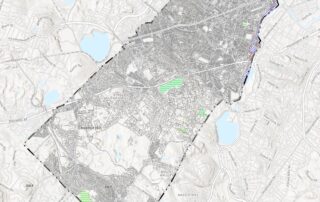
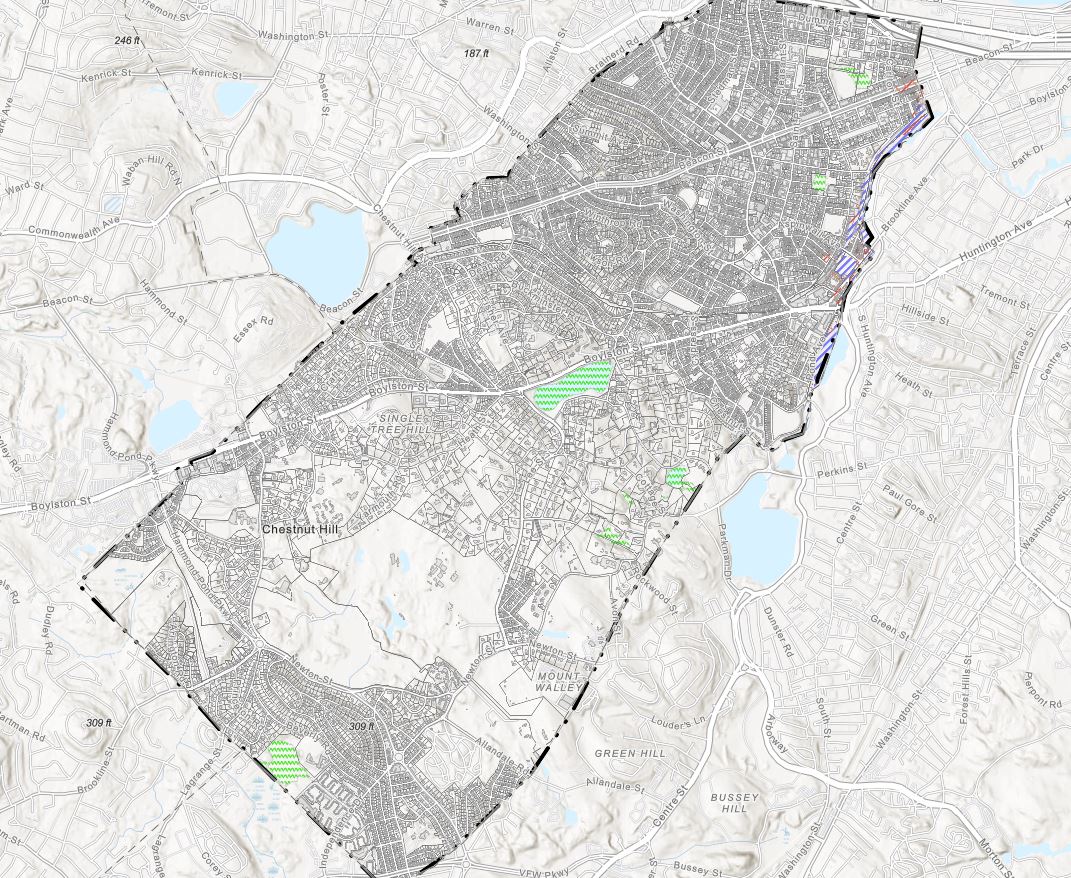
Brookline’s newly updated FEMA flood maps identify 97 high‑risk parcels, but local experts warn the true threat is far greater. While FEMA highlights river‑based flooding around Leverett Pond and the Muddy River, alternative models show more than 1,300 Brookline properties at risk within 30 years. Hidden vulnerabilities along major corridors like Beacon Street, rising rainfall intensity, aging infrastructure, and climate‑driven storm patterns suggest that many “low‑risk” areas may be anything but safe.