AI and the Future of Finance in Des Moines: Opportunity, Disruption, and a New Era of Talent
The Des Moines metro has long been the beating heart of America’s finance and insurance industries, home to national giants like Wells Fargo, Athene, Farm Bureau Financial Services, Principal Financial, EMC Insurance, and Nationwide. But now, another giant has arrived—one that doesn’t clock in, buy lunch, or pay local taxes.
Artificial Intelligence, including the very technologies powering today’s AI assistants and copilots, is quietly reshaping the region’s economic foundation. In an irony fit for a business school case study, the supercomputer used to train ChatGPT itself once lived inside a Microsoft data center right in West Des Moines—mere minutes from the companies whose future workforce needs may be changed by the technology it helped create.
Will AI Replace Finance Jobs in the Metro?
Leaders like Wells Fargo’s Charlie Scharf and JPMorgan Chase’s Jamie Dimon have been open about AI’s ability to take on certain highly quantitative tasks. The Des Moines Register notes that finance employment in the metro has already been drifting downward since its 2017 peak. Now, with AI advancing rapidly, many wonder if the trend will accelerate.
But the picture isn’t entirely bleak. Interviews with academics, economic forecasters, city planners, and students entering the finance world suggest a more nuanced future—one in which AI handles routine tasks while humans shift toward strategy, interpretation, client counseling, and innovation.
A Community Impact Beyond the Office Walls
AI may be efficient, but it doesn’t move into Waukee, shop at Hy-Vee, or fill up at Casey’s. The ripple effects of workforce shifts matter deeply to local communities. Suburban growth, retail vitality, and even Des Moines’ downtown energy are tied to the thousands of finance professionals who call the metro home.
One big question remains: If AI reduces entry‑level finance jobs, where will the next generation of leaders gain their foundational experience?
The Des Moines Register’s full analysis explores this in depth and is worth a read for anyone watching the crossroads of technology and finance.
In his weekly “From the Archives” series, business editor Bill Steiden brings readers fascinating snapshots of Iowa history—from Jimmy Carter’s momentum‑setting 1976 caucus win, to the days when Iowa’s future ethanol industry was introduced under the name “gasohol”, to proposals to turn the historic state penitentiary into an Alcatraz‑style attraction.
His storytelling highlights how the city’s past is filled with character, ambition, mischief, and vision—a reminder that Des Moines’ identity has always been shaped by strong personalities and bold ideas.
What This Means for Today’s Professionals
Whether you’re in finance, insurance, real estate, or any licensed profession, one truth is clear: AI is shifting the skills landscape. Adaptability and ongoing education are quickly becoming career superpowers.
For professionals navigating these changes, upskilling is no longer optional. Schools like Cameron Academy help future‑focused workers stay ahead—whether through real estate licensing, finance‑adjacent certifications, continuing education, or training that strengthens your competitive edge in an AI‑augmented world.
Getting licensed or staying ahead in your career can be a journey—but it doesn’t have to be overwhelming. Grab your favorite coffee or tea, take a moment to relax, and browse through our articles. Whether you’re just starting out or renewing your expertise, we’ve got tips, insights, and advice to keep you moving forward. Here’s to your success—one sip and one step at a time!
Fintech has evolved from simple digital banking tools into a global force transforming how we pay, borrow, invest, and manage financial data. With AI, blockchain, and open banking leading the way, fintech is opening new opportunities for consumers, businesses, and professionals across real estate, mortgage, insurance, and finance.
After months of hesitation, the commercial real estate market showed a major resurgence in Q3 2025. Large single‑asset transactions over $10 million jumped to $76 billion — the strongest level since 2022 — signaling renewed liquidity and growing confidence among institutional buyers. While overall volumes remain below peak highs, rising deal counts, stabilizing prices, and increased activity across industrial, multifamily, office, and retail sectors point toward a market steadily moving back toward normalization.
California’s property insurance market didn’t collapse overnight—it unraveled over years of political delays, soaring wildfire losses, and mounting pressure on insurers and reinsurers. As major carriers pulled out and rate approvals stalled, millions of homeowners were left scrambling for coverage under an overwhelmed FAIR Plan. At the center of the controversy stands Insurance Commissioner Ricardo Lara, whose decisions, industry ties, and behind‑the‑scenes negotiations have drawn sharp criticism. The result is a destabilized market affecting homeowners, real estate professionals, lenders, and entire communities—and the question of whether current reforms can truly fix what’s broken.
After a slow start to the year, commercial real estate showed a major resurgence in Q3 2025 as large single‑asset deals over $10 million surged past $76 billion in volume. With 1,826 major trades and the strongest growth rate in more than a decade, investor confidence appears to be returning across U.S. markets. While overall volumes still trail the record highs of 2021–2022, the renewed momentum in big‑ticket transactions points to improving liquidity, clearer pricing, and a potentially pivotal turning point for brokers, investors, and industry professionals.
California’s property insurance market has unraveled into one of the most expensive and consequential crises in U.S. history. Major carriers pulled back, wildfire risks soared, regulators stalled, and the state’s FAIR Plan exploded in size — leaving hundreds of thousands of homeowners without affordable coverage. Now, with victims underinsured, premiums surging, and a billion‑dollar bailout looming, the fallout is spilling beyond California. For real estate, mortgage, finance, and insurance professionals across the country, this is a warning of what happens when rising climate risks collide with outdated regulatory systems.
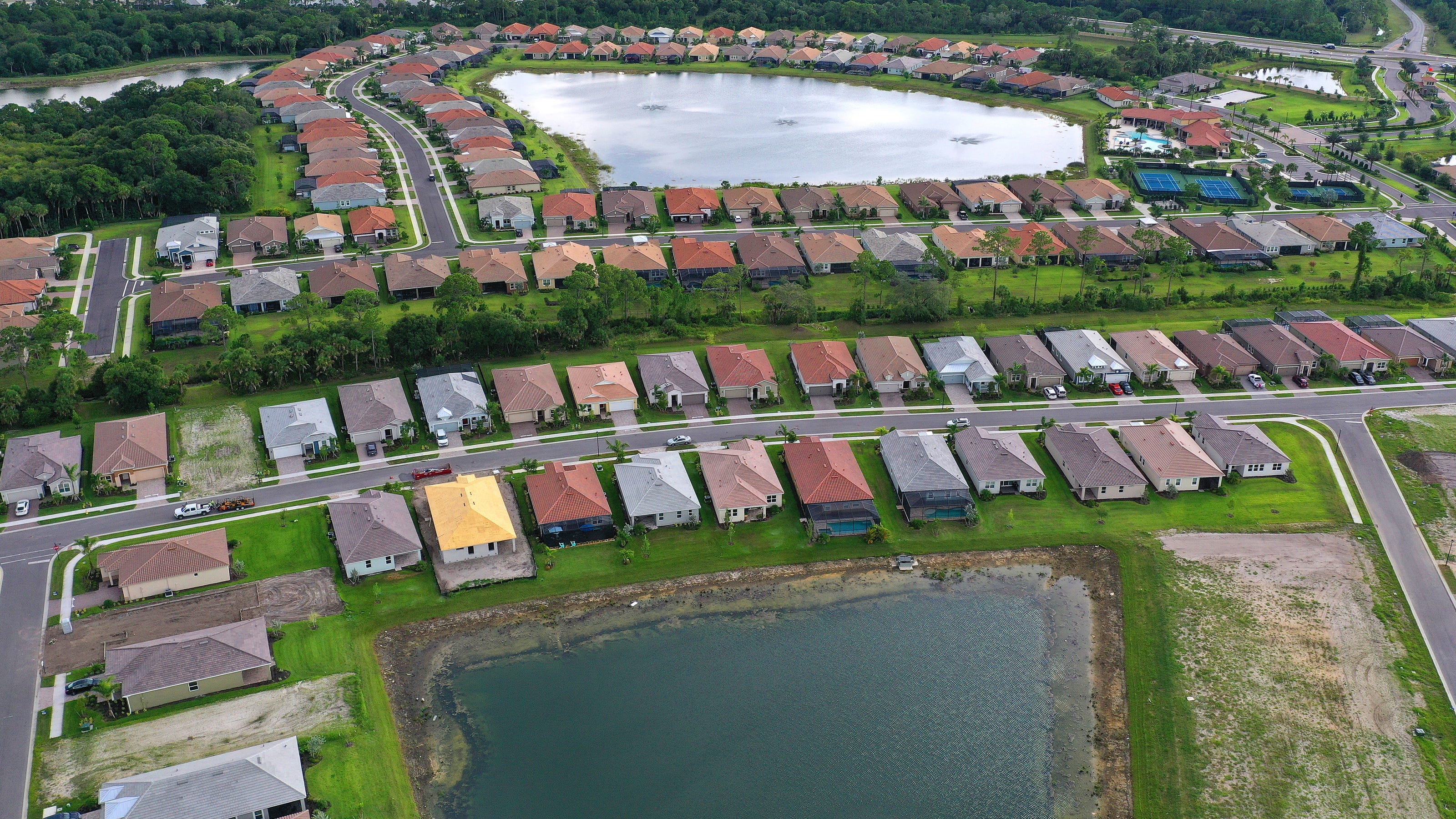
Sarasota County is on the brink of one of its largest modern expansions as the Winchester Ranch project moves closer to approval. Spanning more than 3,100 acres near North Port, the planned mega-development could bring up to 8,999 homes plus major commercial and industrial space. With construction projected to begin in 2027–2028, the community has sparked both excitement over new housing opportunities and concerns about environmental impact, placing it at the center of Florida’s ongoing growth debate.