AI and the Future of Finance in Des Moines: Opportunity, Disruption, and a New Era of Talent
The Des Moines metro has long been the beating heart of America’s finance and insurance industries, home to national giants like Wells Fargo, Athene, Farm Bureau Financial Services, Principal Financial, EMC Insurance, and Nationwide. But now, another giant has arrived—one that doesn’t clock in, buy lunch, or pay local taxes.
Artificial Intelligence, including the very technologies powering today’s AI assistants and copilots, is quietly reshaping the region’s economic foundation. In an irony fit for a business school case study, the supercomputer used to train ChatGPT itself once lived inside a Microsoft data center right in West Des Moines—mere minutes from the companies whose future workforce needs may be changed by the technology it helped create.
Will AI Replace Finance Jobs in the Metro?
Leaders like Wells Fargo’s Charlie Scharf and JPMorgan Chase’s Jamie Dimon have been open about AI’s ability to take on certain highly quantitative tasks. The Des Moines Register notes that finance employment in the metro has already been drifting downward since its 2017 peak. Now, with AI advancing rapidly, many wonder if the trend will accelerate.
But the picture isn’t entirely bleak. Interviews with academics, economic forecasters, city planners, and students entering the finance world suggest a more nuanced future—one in which AI handles routine tasks while humans shift toward strategy, interpretation, client counseling, and innovation.
A Community Impact Beyond the Office Walls
AI may be efficient, but it doesn’t move into Waukee, shop at Hy-Vee, or fill up at Casey’s. The ripple effects of workforce shifts matter deeply to local communities. Suburban growth, retail vitality, and even Des Moines’ downtown energy are tied to the thousands of finance professionals who call the metro home.
One big question remains: If AI reduces entry‑level finance jobs, where will the next generation of leaders gain their foundational experience?
The Des Moines Register’s full analysis explores this in depth and is worth a read for anyone watching the crossroads of technology and finance.
In his weekly “From the Archives” series, business editor Bill Steiden brings readers fascinating snapshots of Iowa history—from Jimmy Carter’s momentum‑setting 1976 caucus win, to the days when Iowa’s future ethanol industry was introduced under the name “gasohol”, to proposals to turn the historic state penitentiary into an Alcatraz‑style attraction.
His storytelling highlights how the city’s past is filled with character, ambition, mischief, and vision—a reminder that Des Moines’ identity has always been shaped by strong personalities and bold ideas.
What This Means for Today’s Professionals
Whether you’re in finance, insurance, real estate, or any licensed profession, one truth is clear: AI is shifting the skills landscape. Adaptability and ongoing education are quickly becoming career superpowers.
For professionals navigating these changes, upskilling is no longer optional. Schools like Cameron Academy help future‑focused workers stay ahead—whether through real estate licensing, finance‑adjacent certifications, continuing education, or training that strengthens your competitive edge in an AI‑augmented world.
Getting licensed or staying ahead in your career can be a journey—but it doesn’t have to be overwhelming. Grab your favorite coffee or tea, take a moment to relax, and browse through our articles. Whether you’re just starting out or renewing your expertise, we’ve got tips, insights, and advice to keep you moving forward. Here’s to your success—one sip and one step at a time!
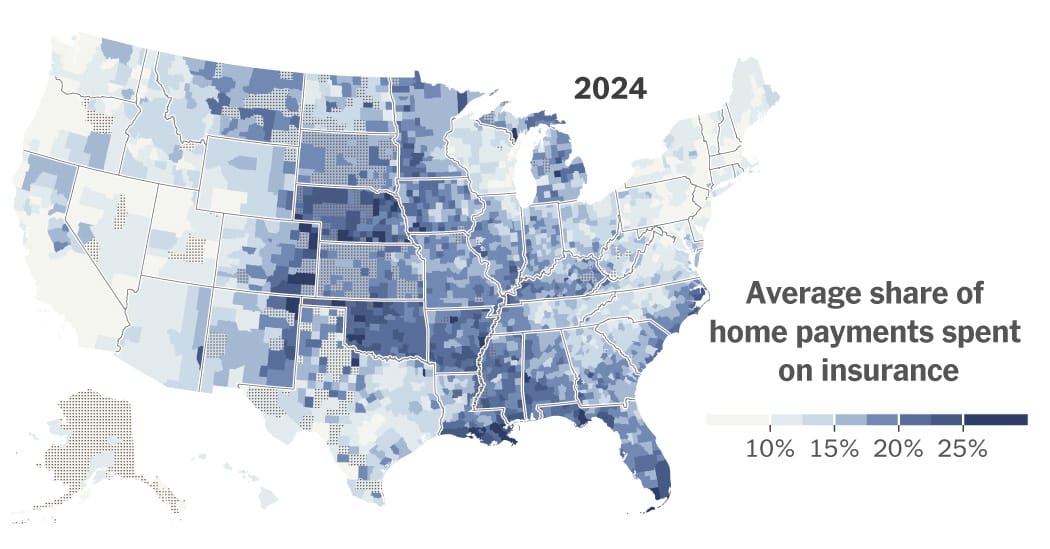
A surge in home insurance premiums is reshaping housing markets across the country, hitting disaster‑prone regions the hardest. From Louisiana to Colorado and California, deals are collapsing, buyers are backing out, and home values are dropping as insurance becomes a central affordability hurdle. New data shows climate‑driven risk repricing and soaring reinsurance costs are stripping tens of thousands of dollars from property values, forcing some homeowners to sell at a loss—or go uninsured altogether.
After years of sluggish activity, the National Association of REALTORS predicts 2026 could mark the long‑awaited rebound for the housing market. With a projected 14% jump in home sales, steadier rates near 6%, and rising buyer activity, NAR economists say momentum is already building. Early signs—like a 31% surge in mortgage applications, continued job growth, and stabilizing prices—suggest a stronger, more confident market ahead, creating fresh opportunities for both seasoned professionals and aspiring agents preparing to enter the field.
A surge of global capital is reshaping real estate heading into 2026, with investors shifting toward hands‑on strategies, cross‑border diversification, and high‑growth asset classes like data centers. Colliers’ 2026 Global Investor Outlook highlights rising confidence, improving liquidity, and a major pivot toward direct investing and value‑add opportunities. From office market rebounds to Asia Pacific’s rapid fundraising growth, the report outlines trends every real estate professional should understand as the industry enters a more dynamic, opportunity‑rich cycle.
Culver City just became the first place in California to legalize six‑story apartment buildings with only one staircase — a simple change that could reshape mid‑rise housing statewide. By freeing up as much as 7% more usable floor space, architects say single‑stair designs allow bigger units, more windows, and the kind of elegant layouts common in New York and Europe. If the city’s six‑year experiment succeeds, it may spark a broader rethinking of U.S. building codes and open the door to more flexible, affordable multifamily development across California.
Stratford homeowners are receiving their 2025 Notices of Assessment Change, marking the town’s first property revaluation since 2019. Officials emphasize that rising assessments do not equal higher tax bills, as a new mill rate won’t be set until spring 2026. Residents can challenge or review their updated valuations through informal hearings hosted by Vision Government Solutions, with appointments available for one week after receiving a notice.
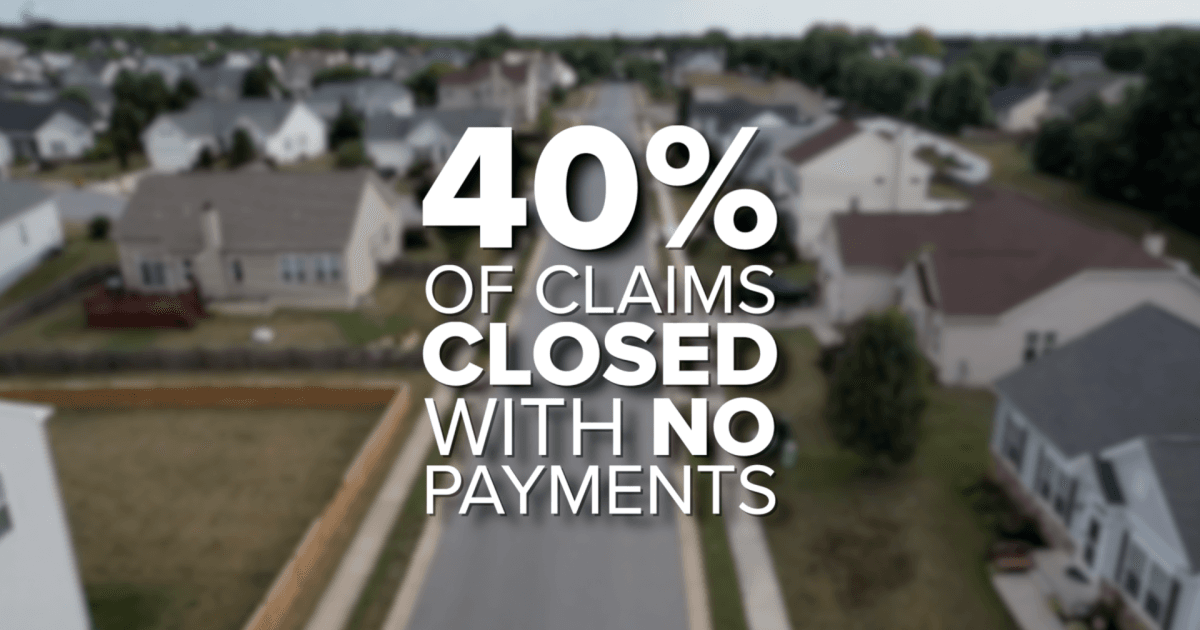
New reporting reveals Florida homeowners now face an average insurance premium of $5,838 per year — nearly triple the national average. With skyrocketing rates, denied claims, and mounting non-renewals, residents are being pushed to tough financial decisions while lawmakers scramble to implement reforms. From retirees skipping coverage to families battling insurers for fair payouts, Florida’s insurance crisis is reshaping both the housing market and the daily lives of homeowners statewide.