AI’s Pervasive Influence in Real Estate: A Transformative Shift
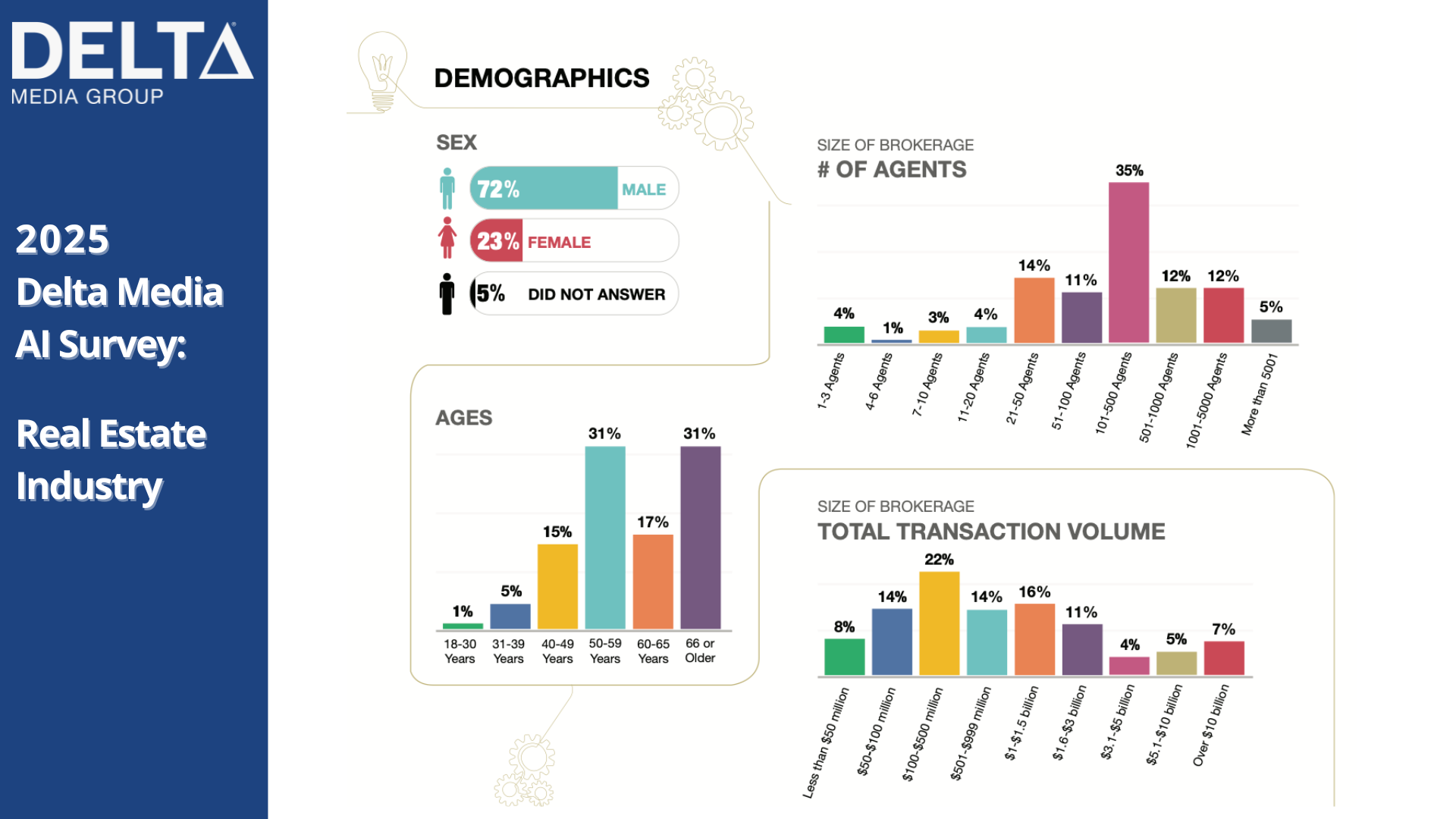
In a revealing report by RISMedia, the 2025 Real Estate Leadership AI Survey conducted by Delta Media Group highlights the sweeping integration of artificial intelligence within the real estate sector. The survey indicates that nearly 90% of brokerage leaders now report their agents’ active use of AI tools, illustrating a 7% increase from the previous year.
Michael Minard, CEO and owner of Delta Media Group, underscores the transformative nature of AI, stating, “AI is no longer a new shiny object; it’s fast become an irreplaceable tool for brokerages and agents alike.” This shift is evident as AI’s role expands beyond marketing and content creation to encompass customer support and administrative automation.
The survey, which gathered insights from over 100 residential brokerage leaders responsible for more than half of all US real estate transactions, reveals a remarkable change in AI adoption and perception. Leaders rated AI’s current significance at 5.9 out of 10, up from 5.0 in 2024, with future importance anticipated to rise to 7.2—a 22% increase.
Key Findings
Broader Demographic Adoption: Age-based disparities in AI usage have vanished, and gender gaps have narrowed, with both male and female leaders reporting high AI engagement.
Top AI Use Cases: While creating property descriptions remains the primary application, AI is increasingly used for digital marketing, client communications, data analysis, and administrative task automation.
Easing Risk Concerns: The percentage of leaders highly concerned about AI risks fell from 50.4% in 2024 to 42.2% in 2025.
Operational Shift: Brokerages are moving from marketing-focused AI applications to broader operational uses, reflecting a strategic shift toward holistic technology integration.
Medium to large brokerages, with their scale and resources, are leading AI adoption, while smaller brokerages face challenges that limit widespread implementation. As we look to the future, Delta anticipates 2025 as a pivotal year for AI in real estate, with expanded usage in automation and customer service poised to redefine operational efficiency.
For a comprehensive understanding, access the full report here.
More Articles
Getting licensed or staying ahead in your career can be a journey—but it doesn’t have to be overwhelming. Grab your favorite coffee or tea, take a moment to relax, and browse through our articles. Whether you’re just starting out or renewing your expertise, we’ve got tips, insights, and advice to keep you moving forward. Here’s to your success—one sip and one step at a time!
AI-powered sentiment analysis is giving real estate investors a major edge by scanning millions of online conversations to detect market shifts long before traditional data responds. From predicting neighborhood momentum to spotting declining tenant satisfaction, this technology captures real-time public emotion across office, retail, and multifamily sectors. As trends in sentiment become as important as demographics and NOI, professionals who understand these tools will stay ahead of the next market move.
Florida lawmakers are racing toward a high-stakes finish to the legislative session as a sweeping property tax overhaul triggers fierce debate. The House is pushing to eliminate most non-school property taxes on primary homes, while the Senate urges caution and Gov. Ron DeSantis floats even bigger changes. With Democrats warning of budget crises and only weeks left to strike a deal, the future of Florida’s tax structure—and its real estate market—hangs in the balance.
Florida homeowners are getting rare financial relief as the emergency insurance assessment—added after multiple insurers collapsed post‑Hurricane Ian—has been paid off two years early. The early payoff wipes out the charge of about $30 per household per year and delivers more than $650 million in statewide savings. With the insurance market stabilizing faster than expected, real estate and insurance professionals can expect a slightly more favorable environment for buyers and policyholders alike.
After years of pandemic‑driven disruption, rising vacancies, and interest‑rate volatility, confidence is finally returning to commercial real estate. Major analysts report that leasing activity is accelerating, investor appetite is rising, and high‑quality properties are leading the rebound. With investment volumes expected to jump and vacancies beginning to fall, 2026 is shaping up to be the long‑awaited turning point for the industry.
Sioux Falls enters 2026 with a commercial real estate market outperforming nearly every regional competitor. Fueled by strong fundamentals, major private investment, and confidence across all sectors, the city is positioned for what experts call “white‑hot economic activity.” From booming land sales and rising retail absorption to stabilizing office and industrial sectors, the metro’s momentum is undeniable—making it a prime environment for real estate professionals and investors looking for opportunity.
Florida lawmakers have advanced HB 767, a major insurance transparency bill that would create a statewide online rate database, boost consumer education, and prevent insurers from using land value to inflate premiums. The proposal promises clearer insurance data and stronger accountability—bringing much‑needed relief and insight to homeowners, real estate agents, mortgage professionals, and insurance producers across the state.