As artificial intelligence (AI) continues to evolve, its integration into medical education is becoming increasingly imperative. AI, which simulates human intelligence, is reshaping various sectors, particularly healthcare. The ability to perform complex tasks, such as diagnostics and personalized healthcare, is no longer confined to human capabilities alone. This shift is prompting educational institutions to rethink their curricula to prepare future healthcare professionals for an AI-driven world.
AI’s Transformative Impact on Learning
The recent surge in AI technologies, notably ChatGPT, has revolutionized digital education. These tools promote personalized learning experiences, acting as tutors, writing coaches, and question generators. The integration of AI in medical education offers unique opportunities to enhance learning, close knowledge gaps, and improve patient care.
Ethical Considerations in AI Usage
Despite the promising potential of AI, ethical concerns remain prevalent. Issues such as accountability in clinical settings, where AI might err, highlight the need for clear guidelines and roles. It is essential for educational systems to instill ethical AI usage and uphold scholarly integrity among students. The original article from Frontiers emphasizes the importance of addressing these ethical responsibilities.
Integrating AI into Curricula
To keep pace with technological advancements, medical schools are encouraged to incorporate AI-based tools into their curricula. This integration can enhance and personalize learning experiences, using AI for clinical communication practice and adaptive e-learning systems. The article suggests that AI literacy programs for both faculty and students are crucial for informed curriculum integration.
Institutional Adaptation and Future Prospects
Educational institutions must adapt to the technological landscape by incorporating AI into their systems. This adaptation ensures they remain relevant and do not fall behind. The responsible adoption of AI could transform healthcare services, offering novel methods for training medical professionals. As we embrace AI in education, maintaining vigilance on ethical boundaries is paramount.
Conclusion
AI has emerged as a powerful tool in medical education, offering opportunities to advance healthcare and empower the next generation of professionals. By leveraging AI’s capabilities, medical education can become more personalized and efficient. However, careful attention to ethical considerations, technical infrastructure, and faculty training is essential for the responsible integration of AI into medical education.
More Articles
Getting licensed or staying ahead in your career can be a journey—but it doesn’t have to be overwhelming. Grab your favorite coffee or tea, take a moment to relax, and browse through our articles. Whether you’re just starting out or renewing your expertise, we’ve got tips, insights, and advice to keep you moving forward. Here’s to your success—one sip and one step at a time!
The global digital health market is set to skyrocket, with projections estimating it will reach $551.09 billion by 2027. This growth is fueled by innovations that are setting new benchmarks in healthcare delivery.
AI is being hailed as a "triple threat" in radiology, impacting planning, scanning, and diagnosis. As detailed in a recent column by Kelly Londy of GE HealthCare, these intelligent imaging systems are ushering in seismic changes reminiscent of the transformative impact of computer-assisted tomography in the late 20th century.
In a significant move that has captured the attention of economists and homebuyers alike, the Federal Reserve recently announced a half-percentage-point cut in interest rates. This decision is poised to bring about notable changes in the housing market, though not all effects may be beneficial for prospective homeowners.
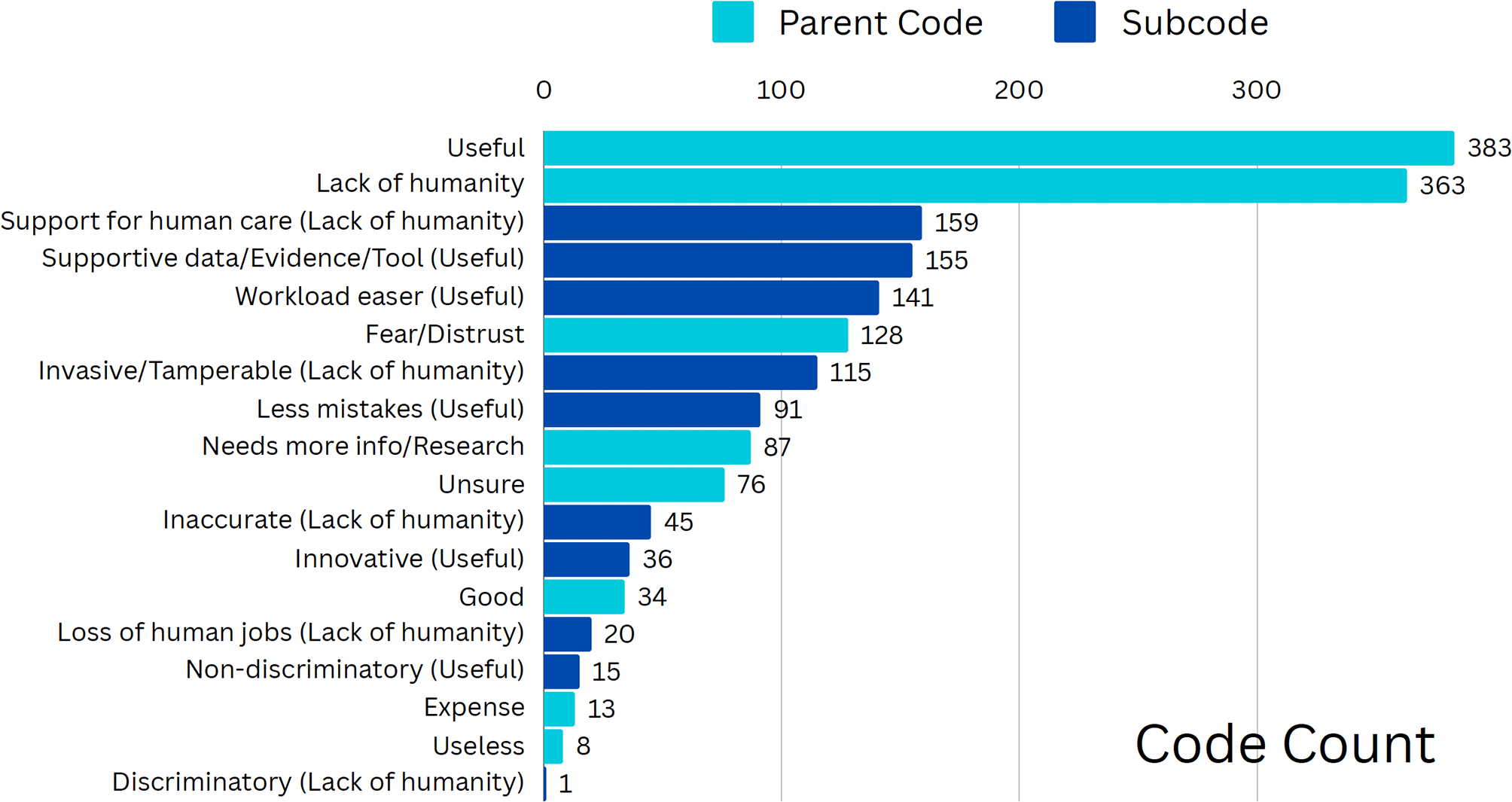
In the rapidly evolving landscape of healthcare, the integration of artificial intelligence (AI) stands as a beacon of both promise and concern. The research underscores a significant tension: while AI has the capability to enhance healthcare delivery, there is palpable unease about its impact on the traditional physician-patient relationship.
As artificial intelligence (AI) technology advances, it presents a myriad of ethical dilemmas and challenges that demand urgent attention. The USC Annenberg School for Communication and Journalism recently explored these pressing issues, highlighting the complexities involved in AI's deployment.