AI’s Role in Revolutionizing Medical Education

As artificial intelligence (AI) continues to evolve, its integration into medical education is becoming increasingly imperative. AI, which simulates human intelligence, is reshaping various sectors, particularly healthcare. The ability to perform complex tasks, such as diagnostics and personalized healthcare, is no longer confined to human capabilities alone. This shift is prompting educational institutions to rethink their curricula to prepare future healthcare professionals for an AI-driven world.

AI’s Transformative Impact on Learning

The recent surge in AI technologies, notably ChatGPT, has revolutionized digital education. These tools promote personalized learning experiences, acting as tutors, writing coaches, and question generators. The integration of AI in medical education offers unique opportunities to enhance learning, close knowledge gaps, and improve patient care.

Ethical Considerations in AI Usage

Despite the promising potential of AI, ethical concerns remain prevalent. Issues such as accountability in clinical settings, where AI might err, highlight the need for clear guidelines and roles. It is essential for educational systems to instill ethical AI usage and uphold scholarly integrity among students. The original article from Frontiers emphasizes the importance of addressing these ethical responsibilities.

Integrating AI into Curricula

To keep pace with technological advancements, medical schools are encouraged to incorporate AI-based tools into their curricula. This integration can enhance and personalize learning experiences, using AI for clinical communication practice and adaptive e-learning systems. The article suggests that AI literacy programs for both faculty and students are crucial for informed curriculum integration.

Institutional Adaptation and Future Prospects

Educational institutions must adapt to the technological landscape by incorporating AI into their systems. This adaptation ensures they remain relevant and do not fall behind. The responsible adoption of AI could transform healthcare services, offering novel methods for training medical professionals. As we embrace AI in education, maintaining vigilance on ethical boundaries is paramount. Ethical ai usage

Conclusion

AI has emerged as a powerful tool in medical education, offering opportunities to advance healthcare and empower the next generation of professionals. By leveraging AI’s capabilities, medical education can become more personalized and efficient. However, careful attention to ethical considerations, technical infrastructure, and faculty training is essential for the responsible integration of AI into medical education.

More Articles

Getting licensed or staying ahead in your career can be a journey—but it doesn’t have to be overwhelming. Grab your favorite coffee or tea, take a moment to relax, and browse through our articles. Whether you’re just starting out or renewing your expertise, we’ve got tips, insights, and advice to keep you moving forward. Here’s to your success—one sip and one step at a time!

America’s Housing Affordability Crisis: A Deep Dive into 2024

The American dream of homeownership is slipping further out of reach for many as the nation grapples with a severe housing affordability crisis.

By |October 17, 2024|Categories: Article, Economic Issues, Housing Affordability|Tags: , |0 Comments

The Economic Payoff of Climate Resilience Investments

Each dollar spent on disaster preparedness can yield a remarkable $13 in savings on economic impact, damage, and cleanup costs. By investing in resilience today, we can safeguard our economic futures against the uncertainties of tomorrow.

By |October 16, 2024|Categories: Article, Climate Resilience, Economics|Tags: |0 Comments

California Legislators Target Corporate Landlords in Housing Market Shake-Up

California's housing market is in the crosshairs of some of the state's most influential lawmakers, who are determined to curb the influence of institutional investors. This legislative session, at least three bills are being considered to prevent these corporate landlords from amassing a significant number of the state's single-family homes.

Proposition 33: A Pivotal Moment in California’s Rent Control Debate

Proposition 33 has sparked a heated debate. Proponents argue that repealing Costa–Hawkins would allow cities to tailor rent control measures to their unique needs, potentially easing the financial burdens on renters.

By |October 16, 2024|Categories: Article, Housing, Legislation|Tags: , |0 Comments

The Trump Era: A Transformative Journey in the U.S. Housing Market

The presidency of Donald Trump ushered in a period of notable shifts in the U.S. housing market, characterized by tax cuts, deregulation, and the unforeseen impact of a global pandemic. This era, marked by both growth and uncertainty, offers a complex narrative of economic policy and market dynamics.

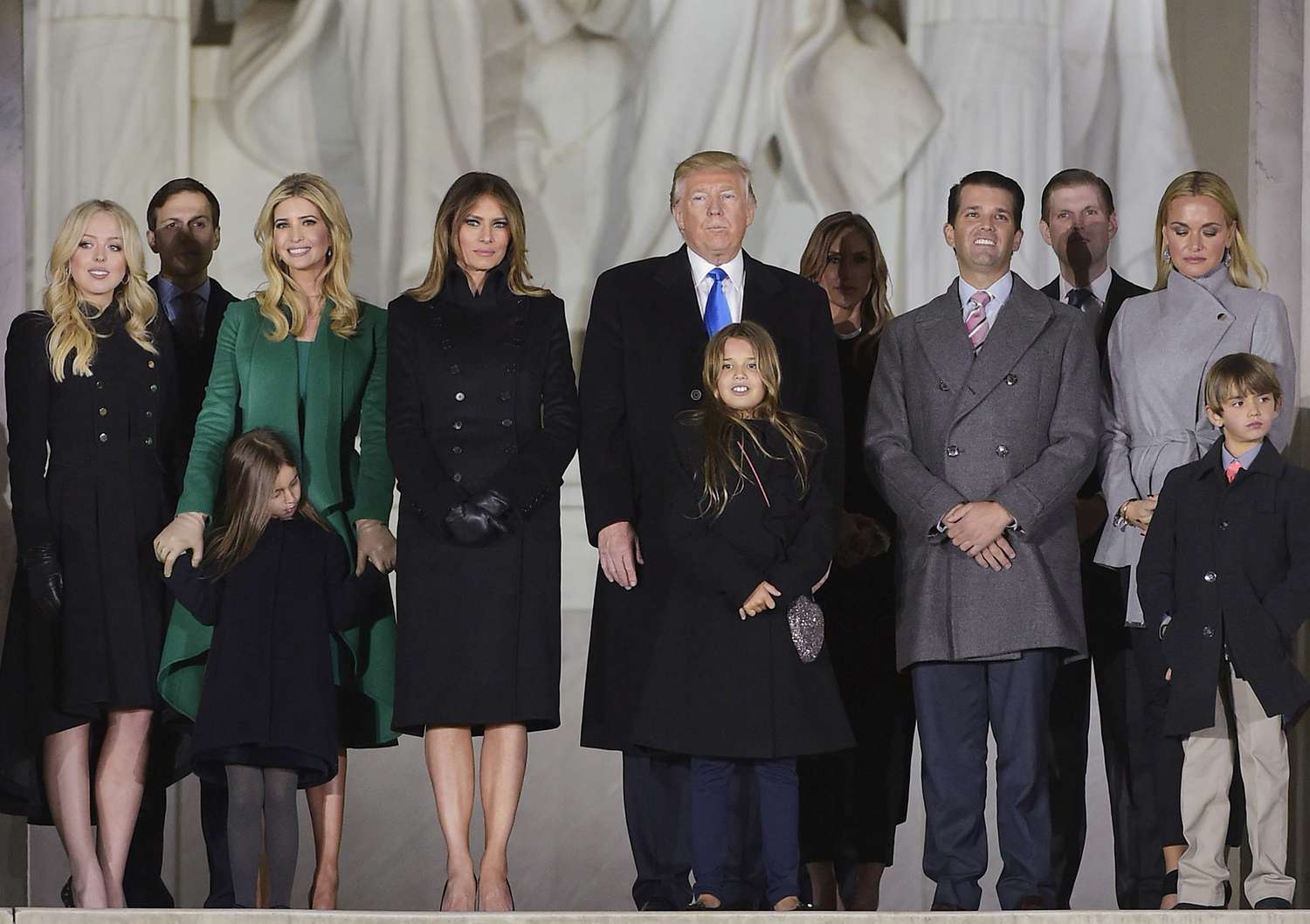
Donald Trump’s Intricate Family Web

Donald Trump, a name synonymous with real estate, reality television, and politics, presents a complex family tapestry woven with professional and personal threads. His family, deeply enmeshed in his business ventures and political pursuits, forms a network of intricate connections.


By |October 15, 2024|Categories: Article, Family, Politics|Tags: , |0 Comments