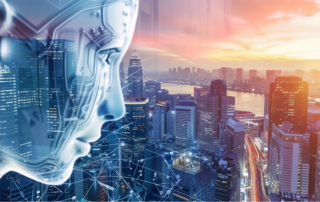
As artificial intelligence (AI) continues to evolve, its integration into medical education is becoming increasingly imperative. AI, which simulates human intelligence, is reshaping various sectors, particularly healthcare. The ability to perform complex tasks, such as diagnostics and personalized healthcare, is no longer confined to human capabilities alone. This shift is prompting educational institutions to rethink their curricula to prepare future healthcare professionals for an AI-driven world.
AI’s Transformative Impact on Learning
The recent surge in AI technologies, notably ChatGPT, has revolutionized digital education. These tools promote personalized learning experiences, acting as tutors, writing coaches, and question generators. The integration of AI in medical education offers unique opportunities to enhance learning, close knowledge gaps, and improve patient care.
Ethical Considerations in AI Usage
Despite the promising potential of AI, ethical concerns remain prevalent. Issues such as accountability in clinical settings, where AI might err, highlight the need for clear guidelines and roles. It is essential for educational systems to instill ethical AI usage and uphold scholarly integrity among students. The original article from Frontiers emphasizes the importance of addressing these ethical responsibilities.
Integrating AI into Curricula
To keep pace with technological advancements, medical schools are encouraged to incorporate AI-based tools into their curricula. This integration can enhance and personalize learning experiences, using AI for clinical communication practice and adaptive e-learning systems. The article suggests that AI literacy programs for both faculty and students are crucial for informed curriculum integration.
Institutional Adaptation and Future Prospects
Educational institutions must adapt to the technological landscape by incorporating AI into their systems. This adaptation ensures they remain relevant and do not fall behind. The responsible adoption of AI could transform healthcare services, offering novel methods for training medical professionals. As we embrace AI in education, maintaining vigilance on ethical boundaries is paramount.
Conclusion
AI has emerged as a powerful tool in medical education, offering opportunities to advance healthcare and empower the next generation of professionals. By leveraging AI’s capabilities, medical education can become more personalized and efficient. However, careful attention to ethical considerations, technical infrastructure, and faculty training is essential for the responsible integration of AI into medical education.
More Articles
Getting licensed or staying ahead in your career can be a journey—but it doesn’t have to be overwhelming. Grab your favorite coffee or tea, take a moment to relax, and browse through our articles. Whether you’re just starting out or renewing your expertise, we’ve got tips, insights, and advice to keep you moving forward. Here’s to your success—one sip and one step at a time!
In the aftermath of Hurricane Helene, homeowners in North Carolina face the daunting challenge of securing compensation from insurance companies and the federal government. The process can be both infuriating and baffling, yet it is essential for recovery.
Nearly half of all rental households in America are cost-burdened, spending over 30% of their income on rent. This financial strain is even more pronounced in areas with strong employment growth, where housing costs are highest. The paradox is clear: regions with the most economic opportunities present the greatest barriers to affordable housing.
The potential for AI to affect wage structures and income inequality is another critical discussion point. While AI could enhance productivity, it might also concentrate benefits among a select group.
The advent of blockchain technology and decentralized finance (DeFi) is revolutionizing how we perceive and interact with financial markets. Central to this transformation is the concept of tokenization, a process that converts assets into digital tokens on a blockchain, enhancing security, accessibility, and liquidity.
The marriage of AI and blockchain promises to streamline transaction processing, significantly reducing paperwork and processing time. This newfound efficiency allows agents to handle more deals at their own pace, enhancing productivity and client satisfaction.