The healthcare sector has experienced a groundbreaking transformation in 2023, driven by the innovative integration of artificial intelligence (AI) in patient diagnostics. This shift marks a new era in medical diagnosis, improving efficiency, accuracy, and personalization in ways previously unimaginable.
The Dawn of AI-Driven Diagnostics
AI has not only automated certain diagnostic tasks but, more importantly, augmented the abilities of medical professionals in making informed decisions. By swiftly analyzing vast amounts of data, AI assists in identifying diseases in their early stages, allowing for prompt and accurate interventions that greatly affect patient outcomes.
Case Studies and Real-World Applications
In 2024, AI diagnostic tools, especially in the realm of medical imaging, have become remarkably precise. Such tools, leveraging advanced machine learning algorithms, have been recognized with numerous FDA approvals, particularly in radiology. The capability of AI to handle both structured and unstructured data has revolutionized healthcare, making AI indispensable in this field.
Impact on Healthcare Delivery
The implications of AI integration in healthcare extend beyond mere diagnostics, redefining the essence of patient care itself. AI enables more personalized and effective treatment regimens, greatly enhancing patient experiences. By analyzing comprehensive patient data, AI facilitates personalized care, transcending the traditional one-size-fits-all approach and ensuring that treatments are tailored to individual needs.
Personalization at the Forefront
One remarkable aspect of AI’s application in healthcare is its ability to enhance the accuracy of treatment plans. Through pattern recognition and data correlation, AI predicts the most effective treatments, minimizing trial and error. This significant improvement saves both time and resources in healthcare delivery.
Real-world examples in 2024 illustrate the success of AI-driven treatment plans, particularly in oncology, where AI models integrate diverse types of clinical data. These models precisely predict treatment outcomes and personalize cancer care, advancing precision medicine.
Navigating Ethical Complexities
However, with these advancements come challenges, notably ethical and privacy concerns. As AI technology continues to evolve, issues surrounding data privacy, algorithmic bias, and the moral implications of AI decisions need addressing. Fairness, transparency, and respect for patient data confidentiality are crucial.
Data Privacy and Security
With AI systems processing vast amounts of personal health data, safeguarding this information is critical. The industry faces the challenge of protecting patient data while harnessing AI’s potential for improving healthcare outcomes.
Algorithmic Bias and Fairness
There’s an ongoing concern about biases in AI algorithms, which can stem from skewed data sets or flawed programming. Ensuring these algorithms are as objective and unbiased as possible is crucial for equitable healthcare delivery.
Balancing AI and Human Judgment
Balancing AI with human judgment remains vital, ensuring that AI acts as a valuable tool to support, rather than replace, the expert decisions of medical professionals. As the future of AI in healthcare looks promising, ongoing efforts are essential to address ethical challenges, ensuring AI remains advantageous for all stakeholders in healthcare.
Looking Ahead
The future of AI in healthcare is bright, but it necessitates a collaborative effort to address these ethical considerations. As AI continues to evolve, so too must approaches to managing these challenges, ensuring AI remains a beneficial tool for all in healthcare.
About the Author: Dr. Liz Kwo, the chief commercial officer of Everly Health, is a recognized entrepreneur in healthcare, a practicing physician, and a faculty lecturer at Harvard Medical School. Her academic credentials include an MD from Harvard Medical School, an MBA from Harvard Business School, and an MPH from the Harvard T.H. Chan School of Public Health.
More Articles
Getting licensed or staying ahead in your career can be a journey—but it doesn’t have to be overwhelming. Grab your favorite coffee or tea, take a moment to relax, and browse through our articles. Whether you’re just starting out or renewing your expertise, we’ve got tips, insights, and advice to keep you moving forward. Here’s to your success—one sip and one step at a time!
The global market is projected to surpass $200 billion, expanding at a compound annual growth rate (CAGR) of 25%. Predictive and personalized healthcare will see significant advancements in 2025.
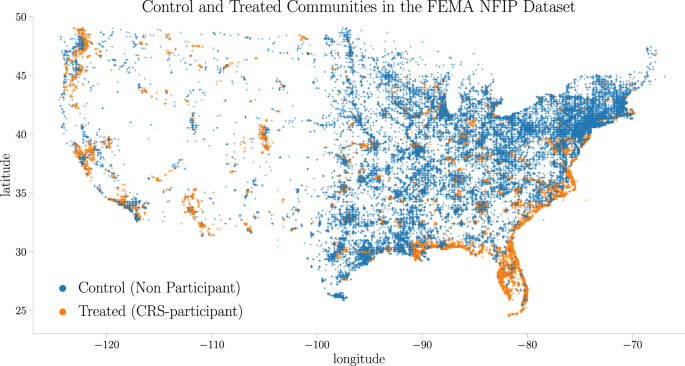
In a groundbreaking analysis published in Nature, researchers have shone a light on the stark disparities in flood adaptation across the United States, exposing significant differences in how communities access and benefit from flood adaptation measures.
In a groundbreaking study led by researchers at the Karolinska Institutet in Sweden, artificial intelligence (AI) has demonstrated a remarkable ability to detect ovarian cancer, surpassing the accuracy of human doctors.