The healthcare sector has experienced a groundbreaking transformation in 2023, driven by the innovative integration of artificial intelligence (AI) in patient diagnostics. This shift marks a new era in medical diagnosis, improving efficiency, accuracy, and personalization in ways previously unimaginable.
The Dawn of AI-Driven Diagnostics
AI has not only automated certain diagnostic tasks but, more importantly, augmented the abilities of medical professionals in making informed decisions. By swiftly analyzing vast amounts of data, AI assists in identifying diseases in their early stages, allowing for prompt and accurate interventions that greatly affect patient outcomes.
Case Studies and Real-World Applications
In 2024, AI diagnostic tools, especially in the realm of medical imaging, have become remarkably precise. Such tools, leveraging advanced machine learning algorithms, have been recognized with numerous FDA approvals, particularly in radiology. The capability of AI to handle both structured and unstructured data has revolutionized healthcare, making AI indispensable in this field.
Impact on Healthcare Delivery
The implications of AI integration in healthcare extend beyond mere diagnostics, redefining the essence of patient care itself. AI enables more personalized and effective treatment regimens, greatly enhancing patient experiences. By analyzing comprehensive patient data, AI facilitates personalized care, transcending the traditional one-size-fits-all approach and ensuring that treatments are tailored to individual needs.
Personalization at the Forefront
One remarkable aspect of AI’s application in healthcare is its ability to enhance the accuracy of treatment plans. Through pattern recognition and data correlation, AI predicts the most effective treatments, minimizing trial and error. This significant improvement saves both time and resources in healthcare delivery.
Real-world examples in 2024 illustrate the success of AI-driven treatment plans, particularly in oncology, where AI models integrate diverse types of clinical data. These models precisely predict treatment outcomes and personalize cancer care, advancing precision medicine.
Navigating Ethical Complexities
However, with these advancements come challenges, notably ethical and privacy concerns. As AI technology continues to evolve, issues surrounding data privacy, algorithmic bias, and the moral implications of AI decisions need addressing. Fairness, transparency, and respect for patient data confidentiality are crucial.
Data Privacy and Security
With AI systems processing vast amounts of personal health data, safeguarding this information is critical. The industry faces the challenge of protecting patient data while harnessing AI’s potential for improving healthcare outcomes.
Algorithmic Bias and Fairness
There’s an ongoing concern about biases in AI algorithms, which can stem from skewed data sets or flawed programming. Ensuring these algorithms are as objective and unbiased as possible is crucial for equitable healthcare delivery.
Balancing AI and Human Judgment
Balancing AI with human judgment remains vital, ensuring that AI acts as a valuable tool to support, rather than replace, the expert decisions of medical professionals. As the future of AI in healthcare looks promising, ongoing efforts are essential to address ethical challenges, ensuring AI remains advantageous for all stakeholders in healthcare.
Looking Ahead
The future of AI in healthcare is bright, but it necessitates a collaborative effort to address these ethical considerations. As AI continues to evolve, so too must approaches to managing these challenges, ensuring AI remains a beneficial tool for all in healthcare.
About the Author: Dr. Liz Kwo, the chief commercial officer of Everly Health, is a recognized entrepreneur in healthcare, a practicing physician, and a faculty lecturer at Harvard Medical School. Her academic credentials include an MD from Harvard Medical School, an MBA from Harvard Business School, and an MPH from the Harvard T.H. Chan School of Public Health.
More Articles
Getting licensed or staying ahead in your career can be a journey—but it doesn’t have to be overwhelming. Grab your favorite coffee or tea, take a moment to relax, and browse through our articles. Whether you’re just starting out or renewing your expertise, we’ve got tips, insights, and advice to keep you moving forward. Here’s to your success—one sip and one step at a time!
Commercial real estate is entering its most transformative era yet. In 2026, success hinges on mastering predictive analytics, smart‑building automation, and sustainability tech—tools that now determine everything from ROI forecasting to tenant retention. As PropTech evolves into an interconnected ecosystem of AI, automation, and ESG‑driven systems, CRE professionals who embrace this shift will lead the next generation of market innovation, while those who rely on traditional instincts risk being left behind.
Florida lawmakers are pushing major reforms that could dramatically change life for more than 800,000 mobile home park residents. New bills would force park owners to justify rent increases, expand relocation assistance, strengthen tenant rights, and add penalties for reducing amenities without lowering rent. With many residents facing steep price jumps on fixed incomes, the proposed laws mark one of the state’s biggest moves toward accountability and transparency in decades — and real estate professionals will need to stay informed as the changes progress.
Refinance activity exploded for a second straight week as mortgage rates briefly dipped to their lowest levels since late 2024. Homeowners rushed to lock in savings, pushing refinance applications to nearly triple last year’s volume. But the momentum may be short‑lived. Early this week, rates spiked again as markets reacted to new tariff concerns and global uncertainty, erasing much of the recent progress. Both refinance and purchase demand remain strong, but volatility continues to challenge borrowers and professionals across the real estate and mortgage sectors.
The real estate industry has officially entered its AI era, with agents across the country adopting advanced tools that streamline workflow, boost productivity, and transform daily operations. According to a new HousingWire report, tasks that once took hours now take minutes, agents are seeing up to 40 percent productivity growth, and unified AI platforms are helping brokerages deliver faster, smarter, and more personalized marketing than ever before.
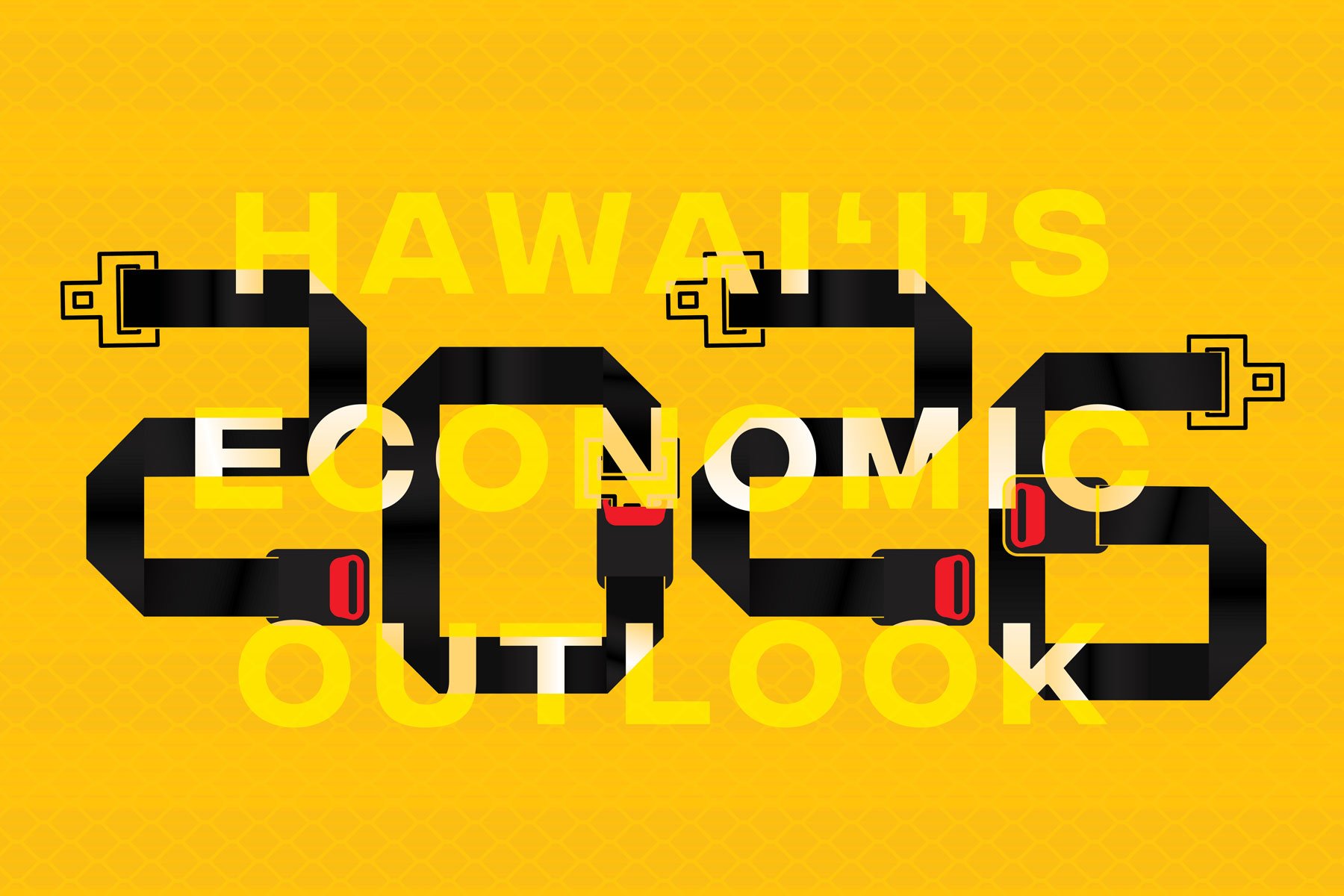
Hawai‘i enters 2026 with a mix of strength and vulnerability. Construction is booming with billions in federal and military projects, yet tourism—the backbone of the local economy—is slowing at a difficult moment. Real estate shows early signs of revival as mortgage rates fall, while health care, small business, and banking navigate shifting federal funding and economic uncertainty. For professionals across real estate, finance, construction, and other licensed industries, Hawai‘i offers a clear preview of the economic pressures and emerging opportunities taking shape nationwide.
Florida’s property insurance market is stabilizing after years of turmoil, but lawmakers say the job isn’t done. New proposals target profit‑sharing oversight, premium transparency, and a statewide claim‑free discount program—offering potential relief for homeowners and key insights for real estate and mortgage professionals navigating the shifting landscape.