AI is poised to reshape the healthcare landscape, promising a future where visits to the doctor become less stressful and more efficient. This vision is championed by experts like Sam Scarpino and Gene Tunik from Northeastern University’s Institute for Experiential AI. As the technology advances, it is expected to introduce new pharmaceuticals, enhance patient-physician interaction, and enable earlier cancer detection. However, the journey to widespread AI adoption in healthcare is not without its hurdles, particularly concerning accuracy and reliability.
Upcoming Workshop and Conference
To tackle these challenges, the Institute for Experiential AI is hosting an all-day workshop on October 9 and a conference on October 10. These events will convene leaders in healthcare and AI to discuss the integration of AI into healthcare training and precision medicine. The workshop will focus on embedding AI literacy within educational curriculums, ensuring future health professionals are equipped with the skills necessary to thrive in a technologically advanced environment.
A Platform for Innovation
These events are timely as healthcare organizations begin to develop AI strategies, often in collaboration with large corporations and academic institutions. As noted by Raimond Winslow from Northeastern’s Roux Institute, the transformation toward a computational future is already underway, with practical applications emerging in the sector. The conference will highlight AI’s role in personalized medicine, showcasing its potential to process extensive patient data for precise health objectives.
The Role of AI in Precision Health
AI’s ability to refine precision health is emphasized by Usama Fayyad, who highlights how AI can suggest medical treatments based on data analysis, making it an invaluable tool in patient care. As the healthcare sector stands on the brink of a significant transformation, these discussions are crucial in steering an AI-driven future.
The original article from Northeastern Global News delves deeper into the transformative potential of AI in healthcare, highlighting advancements in AI-driven drug development, diagnosis, and data management. With AI set to revolutionize the industry, these upcoming events offer a pivotal opportunity for stakeholders to explore and address the challenges and strategies in AI adoption.
More Articles
Getting licensed or staying ahead in your career can be a journey—but it doesn’t have to be overwhelming. Grab your favorite coffee or tea, take a moment to relax, and browse through our articles. Whether you’re just starting out or renewing your expertise, we’ve got tips, insights, and advice to keep you moving forward. Here’s to your success—one sip and one step at a time!
"AI and machine learning are emerging as powerful technologies to address this issue, improving the accuracy of medical diagnosis and revolutionizing healthcare with their myriad applications."
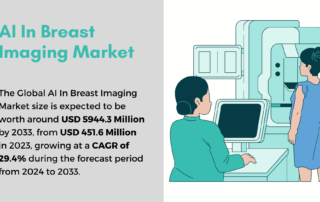
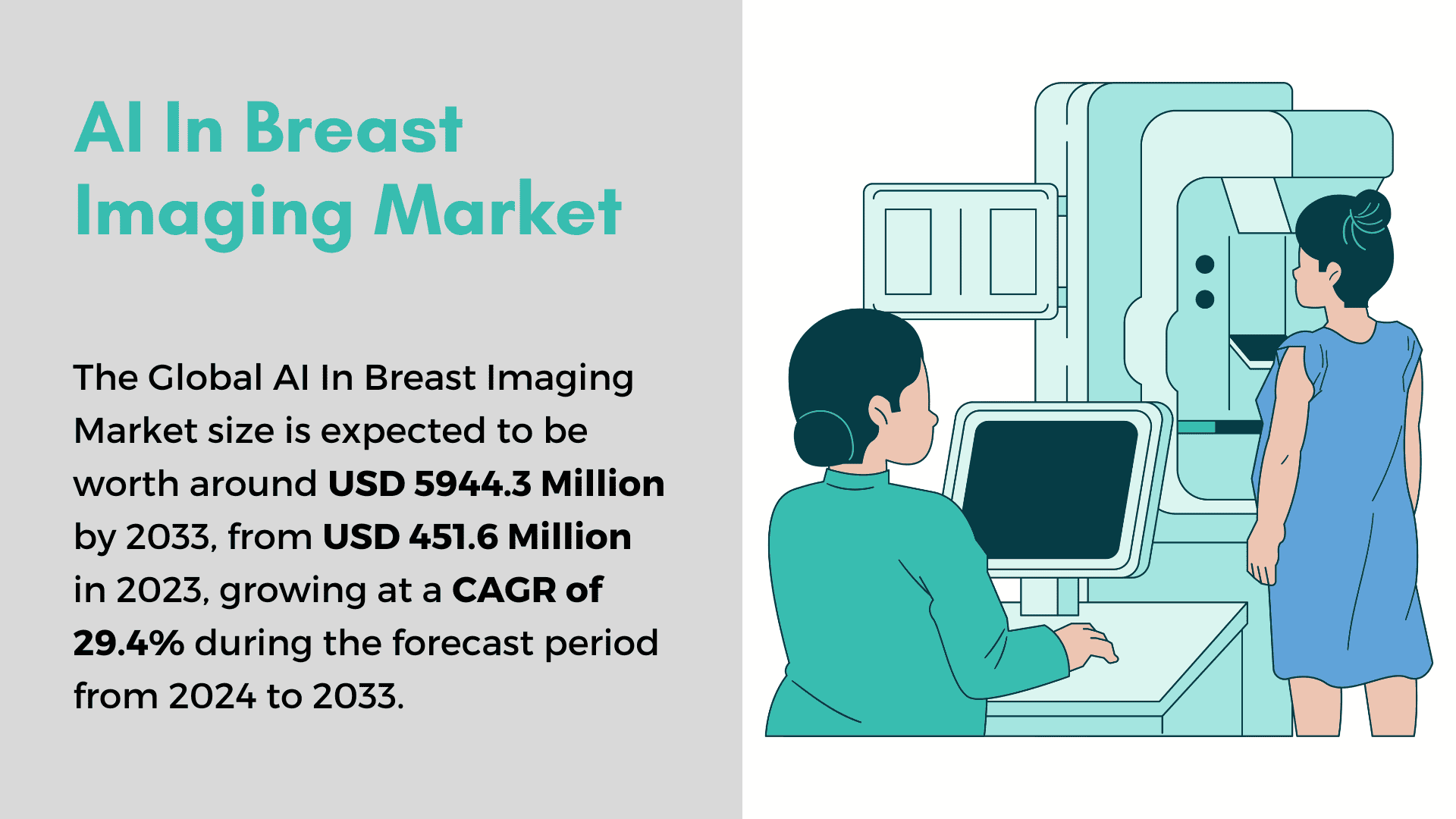
The global AI in breast imaging market is on a remarkable growth trajectory, projected to swell from USD 451.6 million in 2023 to an impressive USD 5944.3 million by 2033. This represents a compound annual growth rate (CAGR) of 29.4%, primarily driven by cutting-edge advancements in AI technologies that significantly enhance diagnostic accuracy, facilitate early detection, and boost healthcare efficiency.
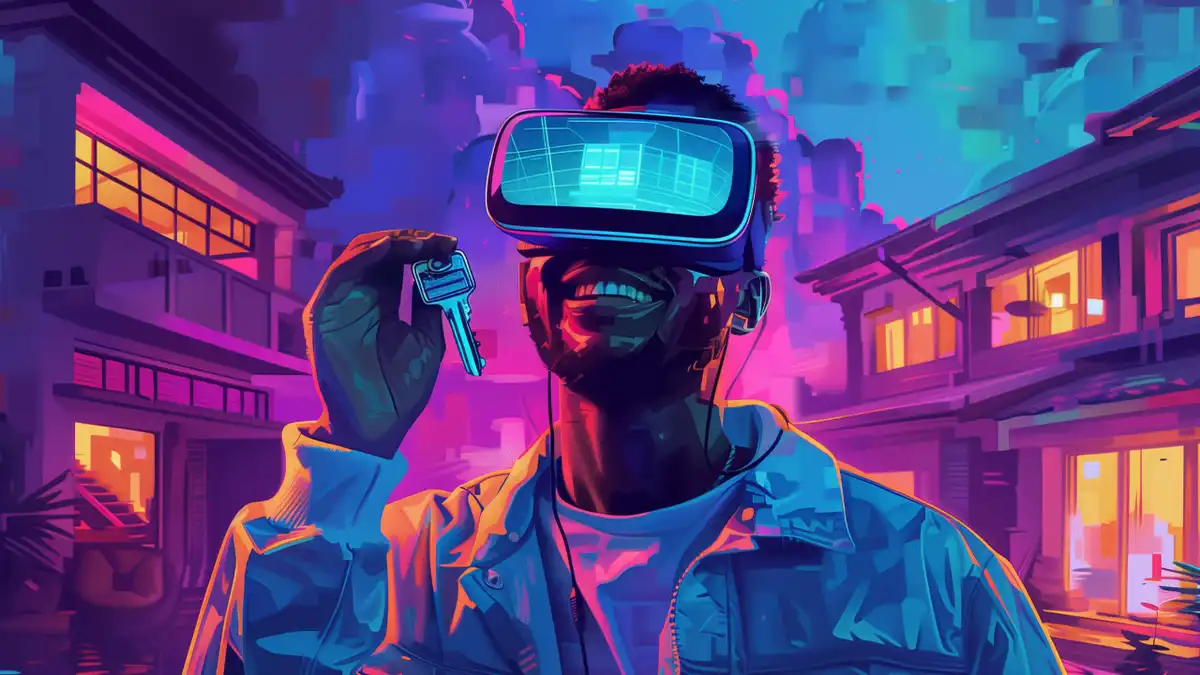
Virtual real estate in metaverses is becoming a focal point for investors worldwide, with digital plots of land mirroring traditional real estate value based on location, size, and platform popularity.
Artificial intelligence (AI) and machine learning are at the forefront of revolutionizing in-vitro diagnostic (IVD) tools, redefining diagnostics and enhancing healthcare outcomes on multiple fronts.
As we edge closer to 2030, the life sciences industry stands on the threshold of transformative changes. With a global valuation exceeding $2 trillion, the sector is poised for significant growth, driven by technological advancements and an aging population.
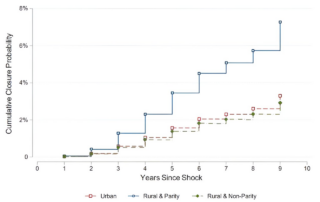
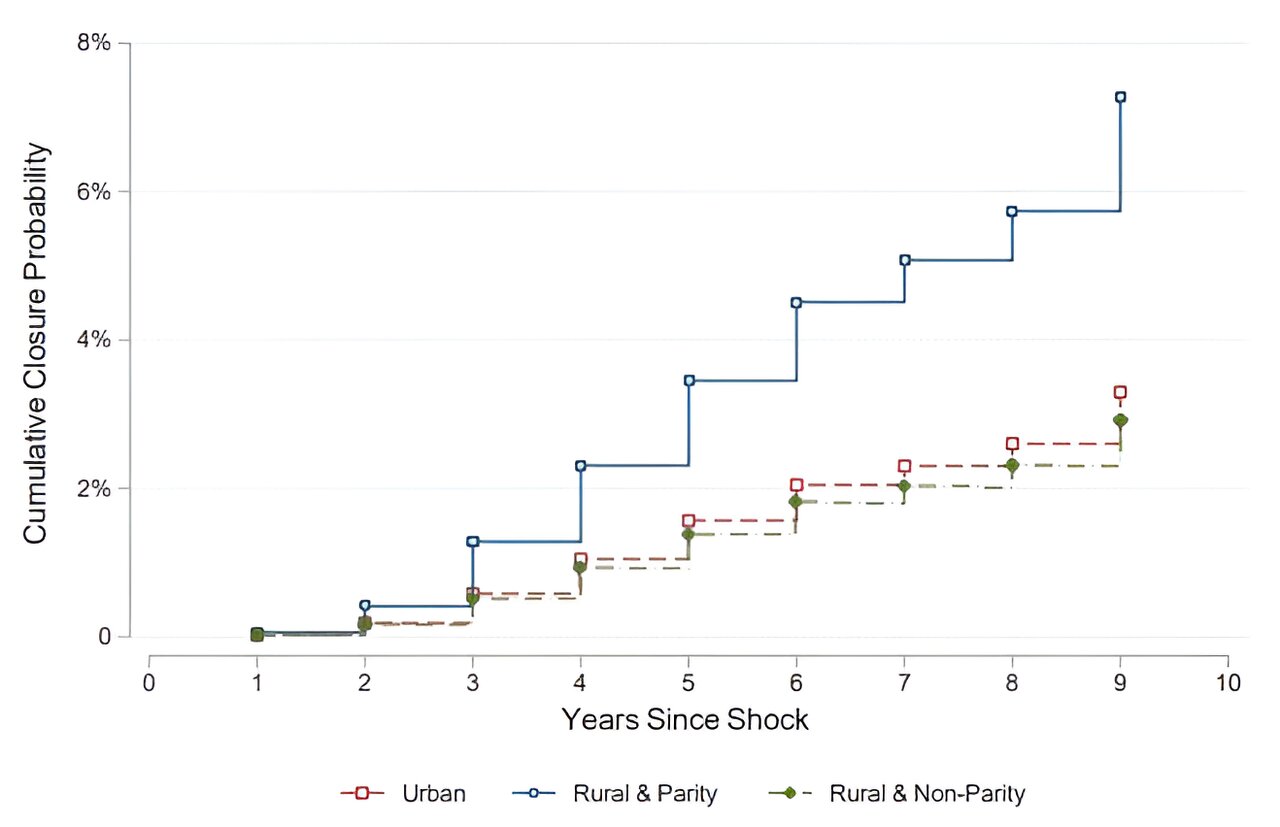
The advent of telehealth has revolutionized the way patients, particularly those in rural areas, access health care. By offering remote consultations and follow-up care, telehealth provides a convenient alternative to traveling long distances to urban hospitals. However, this technological advancement brings with it a set of challenges that could reshape the rural health care landscape.