Alaska Tightens TPA Licensing Rules: What You Need to Know for 2026
The Alaska Division of Insurance has unveiled sweeping new guidance for Third Party Administrators (TPAs), marking one of the most significant compliance shake‑ups the state has seen in years. Beginning January 1, 2026, organizations that once operated under broad exemptions may now be required to secure a full TPA license under Senate Bill 132.
Quick Summary of What Changed
Two major TPA licensing exemptions have been eliminated under AS 21.27.650(a)(2) and AS 21.27.630(f).
Previously exempt TPAs may now need full licensure.
Exempt TPAs must file an annual certification with the Division.
Licensed TPAs continue quarterly reporting and may now undergo insurer-level examinations.
Why Alaska Made This Move
Bulletin B 25‑09 signals an industry-wide modernization of compliance standards. By removing outdated exemptions, Alaska aims to reinforce consumer protection, increase accountability, and create parity between in‑state and out‑of‑state administrators. These changes bring clarity—though they also usher in more responsibilities.
For TPAs handling critical insurance operations, consistency and predictability are becoming the new norm.
Who Is Most Impacted?
The largest impact falls on TPAs who relied on exemptions tied to foreign insurers or holding‑company structures. Those pathways are now closing, meaning many administrators functioning quietly in the background may face new licensing requirements.
Under Senate Bill 132, any TPA doing business in Alaska must be licensed unless it fits one of the few remaining exemptions—such as administrators serving ERISA‑only plans or in‑house insurer employees working within their licensed scope.
Important: If your organization previously operated under AS 21.27.630(a)(2) or AS 21.27.650(f), this change almost certainly applies to you. Expect licensing that includes corporate documentation, a designated compliance officer, proof of qualifications, and financial validation.
Unanswered Questions
Despite the clarity of the bulletin, Alaska has not yet released revised application forms or detailed processes for newly impacted TPAs. As January approaches, organizations should monitor the Division of Insurance website closely for updates.
What Professionals Should Do Now
Evaluate your TPA services to determine if the new law applies.
Start gathering compliance and organizational documentation early.
Track updates from the Alaska Division of Insurance on forms and requirements.
Prepare for annual certification if you remain exempt.
Even seasoned professionals may find the new framework challenging. Proactive preparation now will help avoid compliance setbacks in early 2026.
Where Education Fits In
Regulatory landscapes evolve quickly—across insurance, real estate, mortgage, finance, and medical fields. This is exactly why ongoing education matters. Cameron Academy provides flexible, online professional licensing and continuing‑education programs across all 50 states, helping individuals and teams stay ahead of the curve.
In today’s shifting compliance environment, education isn’t just beneficial—it’s essential.
Source Spotlight
This article draws from excellent reporting by the National Law Review and Polsinelli PC. For deeper legal interpretation, explore their full article here:
Getting licensed or staying ahead in your career can be a journey—but it doesn’t have to be overwhelming. Grab your favorite coffee or tea, take a moment to relax, and browse through our articles. Whether you’re just starting out or renewing your expertise, we’ve got tips, insights, and advice to keep you moving forward. Here’s to your success—one sip and one step at a time!
Newman Properties, a Massachusetts-based investment firm, has expanded its footprint into Connecticut with the $3.65 million acquisition of a 6,350‑square‑foot retail building in Enfield. Anchored by national restaurant chain Red Robin, the property offers the type of stable tenancy investors seek when entering new markets. The deal underscores growing confidence in anchored retail assets and provides a valuable real-world example for real estate professionals studying market analysis, investment strategy, and portfolio expansion.
JPMorgan now expects national home prices to flatten in 2026, but the Sunbelt is telling a very different story. Florida home values are down 5.1%, Texas is down 2.4%, and analysts warn that years of rapid building are finally catching up to the region. As demand stabilizes and inventory swells, real estate professionals — especially in Florida — face a market full of challenges, opportunities, and critical timing decisions.
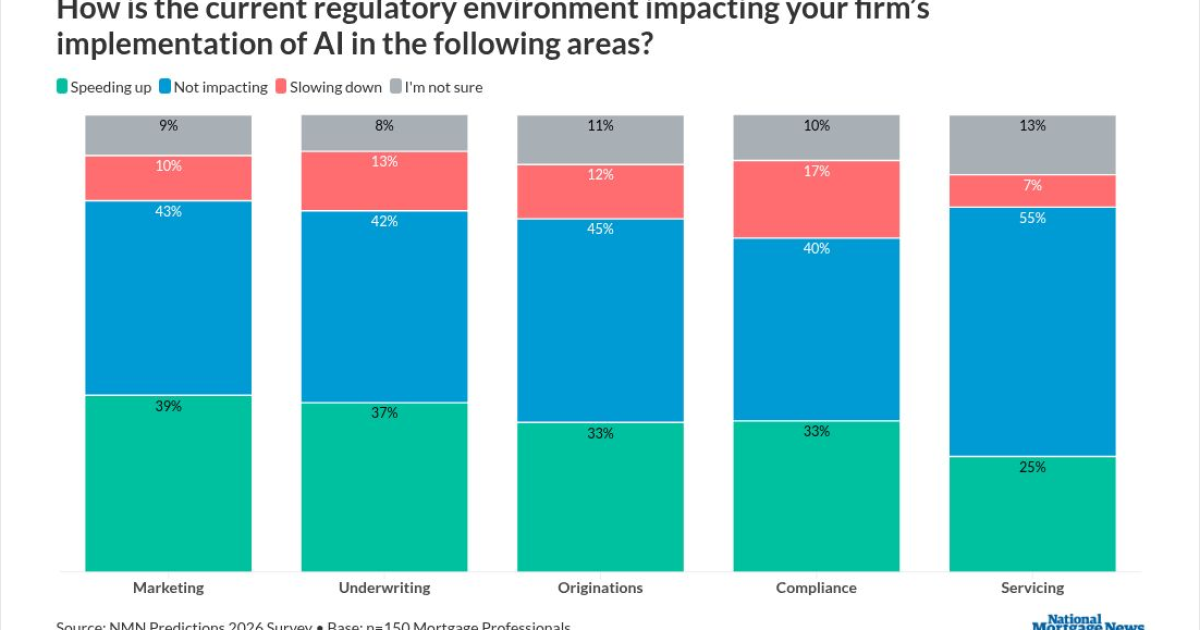
Artificial intelligence is finally stepping into the mortgage underwriting spotlight, with 57% of mortgage professionals predicting it will drive the most transformative industry shift in 2026. Thanks to major advancements in language models and workflow automation, AI is now capable of navigating the messy, document-heavy realities that have long slowed underwriting. From faster preapprovals to improved credit analysis and real‑time income verification, AI is streamlining processes while allowing underwriters to focus on true risk management. As regulatory winds shift and grassroots pressure builds within lending teams, the industry is entering a pivotal era where AI‑powered underwriting becomes not just an advantage — but an expectation.
Portland’s top 20 office towers have lost an unprecedented 70% of their value since 2019—plunging from $3 billion to under $1 billion—triggering tax revenue shortfalls, budget crises, and a surge in appeals as the city grapples with its biggest commercial real estate reset in modern history.
South Florida’s luxury real estate market just raised the bar again — this time with a $1 million virtual reality system that lets buyers walk through Dolce & Gabbana’s upcoming Miami tower long before construction wraps. Real estate master’s students were given an immersive look inside the project, discovering how VR is transforming high‑end development, influencing buyer psychology, and shaping the future skills today’s professionals need.
Long Island’s commercial real estate scene is kicking off 2026 with a surge of activity—industrial leases in Medford, neighborhood retail trades in Bohemia, Pizza Hut’s new DELCO expansion in Centereach, mixed‑use acquisitions in Melville, and major investor interest in bank‑leased and franchise-backed properties. From warehouses to restaurant rebrands, these deals highlight a region evolving fast and offering fresh opportunities for agents, investors, and professionals looking to stay ahead in the market.