
Alaska Tightens TPA Licensing Rules: What You Need to Know for 2026

Alaska state graphic

The Alaska Division of Insurance has unveiled sweeping new guidance for Third Party Administrators (TPAs), marking one of the most significant compliance shake‑ups the state has seen in years. Beginning January 1, 2026, organizations that once operated under broad exemptions may now be required to secure a full TPA license under Senate Bill 132.

Quick Summary of What Changed

  • Two major TPA licensing exemptions have been eliminated under AS 21.27.650(a)(2) and AS 21.27.630(f).
  • Previously exempt TPAs may now need full licensure.
  • Exempt TPAs must file an annual certification with the Division.
  • Licensed TPAs continue quarterly reporting and may now undergo insurer-level examinations.

Why Alaska Made This Move

Bulletin B 25‑09 signals an industry-wide modernization of compliance standards. By removing outdated exemptions, Alaska aims to reinforce consumer protection, increase accountability, and create parity between in‑state and out‑of‑state administrators. These changes bring clarity—though they also usher in more responsibilities.

For TPAs handling critical insurance operations, consistency and predictability are becoming the new norm.

Who Is Most Impacted?

The largest impact falls on TPAs who relied on exemptions tied to foreign insurers or holding‑company structures. Those pathways are now closing, meaning many administrators functioning quietly in the background may face new licensing requirements.

Under Senate Bill 132, any TPA doing business in Alaska must be licensed unless it fits one of the few remaining exemptions—such as administrators serving ERISA‑only plans or in‑house insurer employees working within their licensed scope.

Important: If your organization previously operated under AS 21.27.630(a)(2) or AS 21.27.650(f), this change almost certainly applies to you. Expect licensing that includes corporate documentation, a designated compliance officer, proof of qualifications, and financial validation.

Unanswered Questions

Despite the clarity of the bulletin, Alaska has not yet released revised application forms or detailed processes for newly impacted TPAs. As January approaches, organizations should monitor the Division of Insurance website closely for updates.

What Professionals Should Do Now

  • Evaluate your TPA services to determine if the new law applies.
  • Start gathering compliance and organizational documentation early.
  • Track updates from the Alaska Division of Insurance on forms and requirements.
  • Prepare for annual certification if you remain exempt.

Even seasoned professionals may find the new framework challenging. Proactive preparation now will help avoid compliance setbacks in early 2026.

Where Education Fits In

Regulatory landscapes evolve quickly—across insurance, real estate, mortgage, finance, and medical fields. This is exactly why ongoing education matters. Cameron Academy provides flexible, online professional licensing and continuing‑education programs across all 50 states, helping individuals and teams stay ahead of the curve.

In today’s shifting compliance environment, education isn’t just beneficial—it’s essential.

Source Spotlight

This article draws from excellent reporting by the National Law Review and Polsinelli PC. For deeper legal interpretation, explore their full article here:

natlawreview.com

More Articles

Getting licensed or staying ahead in your career can be a journey—but it doesn’t have to be overwhelming. Grab your favorite coffee or tea, take a moment to relax, and browse through our articles. Whether you’re just starting out or renewing your expertise, we’ve got tips, insights, and advice to keep you moving forward. Here’s to your success—one sip and one step at a time!

Artificial Intelligence in Diagnostics: A Revolution in Healthcare

The global market for artificial intelligence in diagnostics is poised for remarkable growth, with projections estimating it to reach USD 7.3 billion by 2032.

By |December 10, 2024|Categories: Article, Artificial Intelligence, Healthcare|Tags: , |0 Comments

Revolutionizing Medical Education with Extended Reality

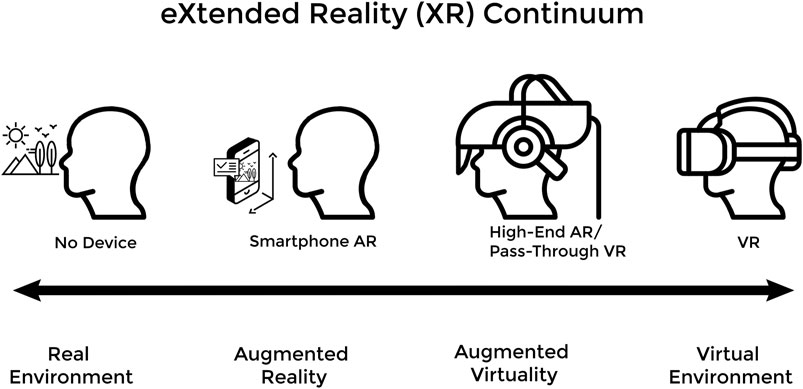
In the ever-evolving landscape of medical education, a new player has emerged, promising to revolutionize the way future doctors are trained. The integration of eXtended Reality (XR) technologies is reshaping the educational landscape by addressing the limitations of traditional methods.

Genetic Testing: A New Dawn in Healthcare

Genetic testing represents more than just a scientific advancement; it signifies a fundamental shift in how we approach health and wellness.

Sustainable Architecture: Blending Innovation with Ecological Responsibility

The journey toward sustainable architecture is ongoing, with each project serving as a beacon of what's achievable when creativity meets ecological awareness.

By |December 9, 2024|Categories: Architecture, Article, Sustainability|Tags: |0 Comments

AI in Clinical and Molecular Diagnostics: A Market on the Rise

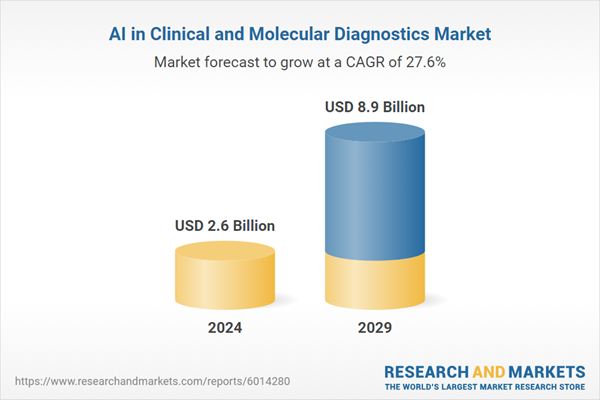
AI in Clinical and Molecular Diagnostics Market is set to experience remarkable growth, projected to surge from USD 2.6 billion in 2024 to USD 8.9 billion by 2029. This growth is driven by the integration of advanced AI technologies such as machine learning and deep learning into traditional diagnostic methodologies like imaging, genomics, and laboratory testing.

AI: A Revolution in Healthcare’s Future

AI is not a distant dream but a present reality, already integrated into everyday life through virtual assistants like Alexa and Siri. AI shows promise in enhancing medical accuracy, such as in predicting mesothelioma survival and improving colonoscopy accuracy, it is not intended to replace healthcare professionals.