Alaska Tightens TPA Licensing Rules: What You Need to Know for 2026
The Alaska Division of Insurance has unveiled sweeping new guidance for Third Party Administrators (TPAs), marking one of the most significant compliance shake‑ups the state has seen in years. Beginning January 1, 2026, organizations that once operated under broad exemptions may now be required to secure a full TPA license under Senate Bill 132.
Quick Summary of What Changed
Two major TPA licensing exemptions have been eliminated under AS 21.27.650(a)(2) and AS 21.27.630(f).
Previously exempt TPAs may now need full licensure.
Exempt TPAs must file an annual certification with the Division.
Licensed TPAs continue quarterly reporting and may now undergo insurer-level examinations.
Why Alaska Made This Move
Bulletin B 25‑09 signals an industry-wide modernization of compliance standards. By removing outdated exemptions, Alaska aims to reinforce consumer protection, increase accountability, and create parity between in‑state and out‑of‑state administrators. These changes bring clarity—though they also usher in more responsibilities.
For TPAs handling critical insurance operations, consistency and predictability are becoming the new norm.
Who Is Most Impacted?
The largest impact falls on TPAs who relied on exemptions tied to foreign insurers or holding‑company structures. Those pathways are now closing, meaning many administrators functioning quietly in the background may face new licensing requirements.
Under Senate Bill 132, any TPA doing business in Alaska must be licensed unless it fits one of the few remaining exemptions—such as administrators serving ERISA‑only plans or in‑house insurer employees working within their licensed scope.
Important: If your organization previously operated under AS 21.27.630(a)(2) or AS 21.27.650(f), this change almost certainly applies to you. Expect licensing that includes corporate documentation, a designated compliance officer, proof of qualifications, and financial validation.
Unanswered Questions
Despite the clarity of the bulletin, Alaska has not yet released revised application forms or detailed processes for newly impacted TPAs. As January approaches, organizations should monitor the Division of Insurance website closely for updates.
What Professionals Should Do Now
Evaluate your TPA services to determine if the new law applies.
Start gathering compliance and organizational documentation early.
Track updates from the Alaska Division of Insurance on forms and requirements.
Prepare for annual certification if you remain exempt.
Even seasoned professionals may find the new framework challenging. Proactive preparation now will help avoid compliance setbacks in early 2026.
Where Education Fits In
Regulatory landscapes evolve quickly—across insurance, real estate, mortgage, finance, and medical fields. This is exactly why ongoing education matters. Cameron Academy provides flexible, online professional licensing and continuing‑education programs across all 50 states, helping individuals and teams stay ahead of the curve.
In today’s shifting compliance environment, education isn’t just beneficial—it’s essential.
Source Spotlight
This article draws from excellent reporting by the National Law Review and Polsinelli PC. For deeper legal interpretation, explore their full article here:
Getting licensed or staying ahead in your career can be a journey—but it doesn’t have to be overwhelming. Grab your favorite coffee or tea, take a moment to relax, and browse through our articles. Whether you’re just starting out or renewing your expertise, we’ve got tips, insights, and advice to keep you moving forward. Here’s to your success—one sip and one step at a time!
Just 48 hours after NAR unveiled major revisions to its MLS policies, plaintiffs in the Michigan-based Hardy lawsuit moved to use those changes as evidence, arguing they prove NAR’s prior rules were anticompetitive. NAR denies any wrongdoing, but the case is quickly becoming a key test for whether MLS access should require Realtor membership — a question now echoing across multiple states and potentially reshaping how real estate professionals nationwide access the industry’s most essential tool.
Florida homeowners are now paying some of the highest insurance premiums in the country, with average costs topping $5,800 per year—nearly double the national average. Residents report skyrocketing rates, denied claims, and tough choices between costly coverage and financial risk. As frustration grows, lawmakers and consumer advocates are pushing new reforms aimed at increasing transparency, capping rate hikes, and protecting policyholders in one of the nation’s most volatile insurance markets.
Economic uncertainty, rapid AI adoption, tighter capital flows, and rising portfolio risk are reshaping the 2026 commercial real estate landscape. From shifting workforce patterns to a national housing attainability crisis, the industry is entering a data‑driven, fundamentals‑focused era—making adaptability, education, and tech literacy essential for real estate professionals.
Mortgage rates have climbed to 6.23 percent as investors grow doubtful that the Federal Reserve will deliver a rate cut in December. A soft but unclear jobs report and persistent inflation have pushed borrowing costs higher, reversing October’s brief relief in the housing market. Real estate and mortgage professionals should prepare clients for continued volatility as the Fed’s December meeting approaches.
After years of tight inventory, high mortgage rates, and sluggish sales, economists say 2026 is shaping up to be the turnaround real estate professionals have been waiting for. NAR projects a 14 percent jump in home sales, mortgage rates easing toward 6 percent, and buyer demand finally gaining momentum. While higher‑end homes are moving quickly, first‑time buyers continue to face affordability challenges, and price reductions are reappearing as sellers adjust to shifting conditions. For Florida agents, brokers, and newcomers, the stage is being set for a busy and opportunity‑rich year.
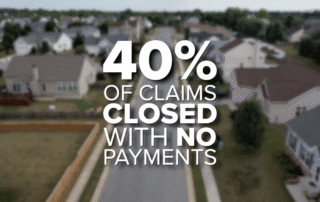
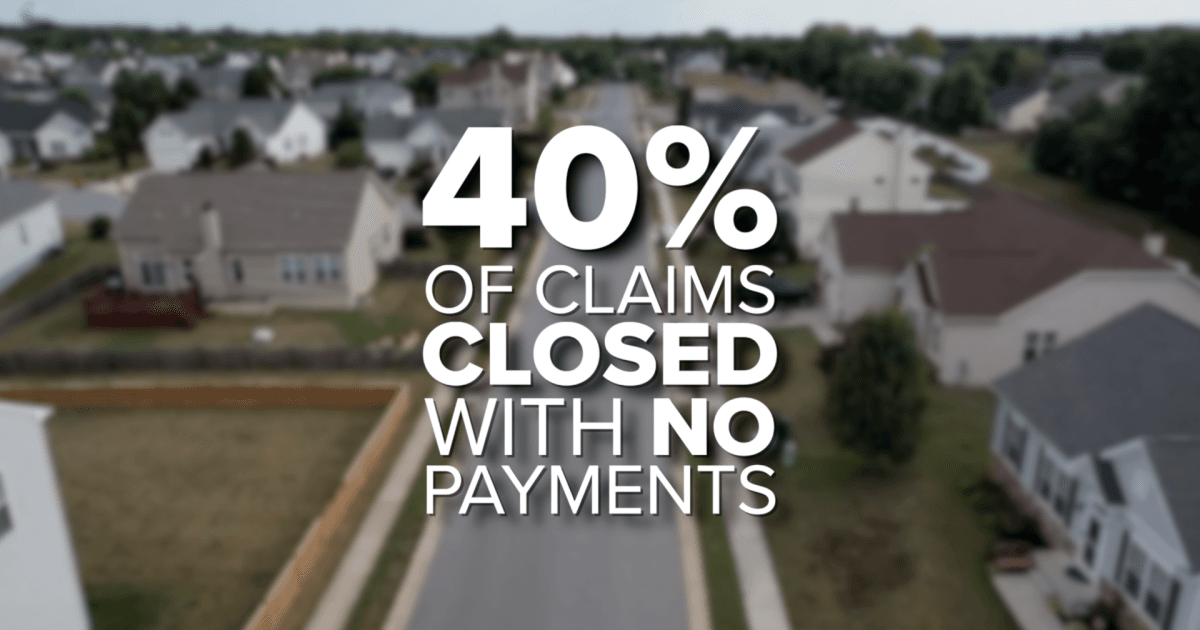
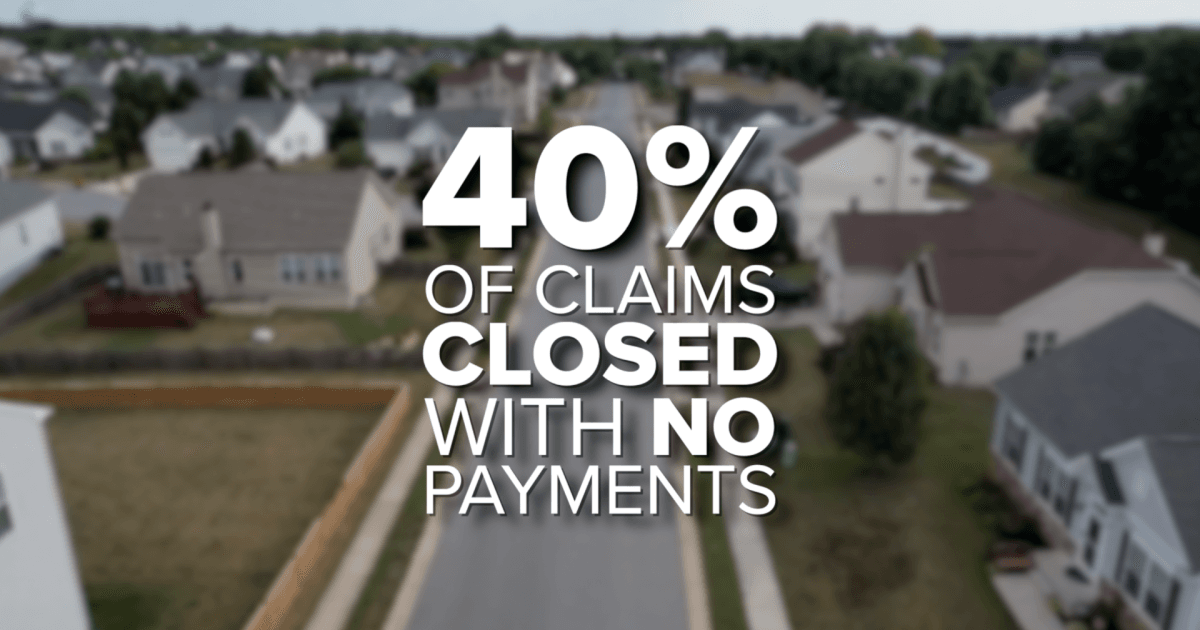
Florida’s average homeowner insurance premium has soared to $5,838 a year—almost $3,000 above the national average—pushing many residents to the financial brink. From tripled premiums to lowball claim payouts, homeowners are speaking out as frustration mounts. Some are even dropping coverage entirely. With more than 40% of claims closed without payment and policy cancellations at record levels, lawmakers are pushing for reforms, but political hurdles remain. The outcome could reshape Florida real estate, insurance, and mortgage markets for years to come.