Alaska Tightens TPA Licensing Rules: What You Need to Know for 2026
The Alaska Division of Insurance has unveiled sweeping new guidance for Third Party Administrators (TPAs), marking one of the most significant compliance shake‑ups the state has seen in years. Beginning January 1, 2026, organizations that once operated under broad exemptions may now be required to secure a full TPA license under Senate Bill 132.
Quick Summary of What Changed
Two major TPA licensing exemptions have been eliminated under AS 21.27.650(a)(2) and AS 21.27.630(f).
Previously exempt TPAs may now need full licensure.
Exempt TPAs must file an annual certification with the Division.
Licensed TPAs continue quarterly reporting and may now undergo insurer-level examinations.
Why Alaska Made This Move
Bulletin B 25‑09 signals an industry-wide modernization of compliance standards. By removing outdated exemptions, Alaska aims to reinforce consumer protection, increase accountability, and create parity between in‑state and out‑of‑state administrators. These changes bring clarity—though they also usher in more responsibilities.
For TPAs handling critical insurance operations, consistency and predictability are becoming the new norm.
Who Is Most Impacted?
The largest impact falls on TPAs who relied on exemptions tied to foreign insurers or holding‑company structures. Those pathways are now closing, meaning many administrators functioning quietly in the background may face new licensing requirements.
Under Senate Bill 132, any TPA doing business in Alaska must be licensed unless it fits one of the few remaining exemptions—such as administrators serving ERISA‑only plans or in‑house insurer employees working within their licensed scope.
Important: If your organization previously operated under AS 21.27.630(a)(2) or AS 21.27.650(f), this change almost certainly applies to you. Expect licensing that includes corporate documentation, a designated compliance officer, proof of qualifications, and financial validation.
Unanswered Questions
Despite the clarity of the bulletin, Alaska has not yet released revised application forms or detailed processes for newly impacted TPAs. As January approaches, organizations should monitor the Division of Insurance website closely for updates.
What Professionals Should Do Now
Evaluate your TPA services to determine if the new law applies.
Start gathering compliance and organizational documentation early.
Track updates from the Alaska Division of Insurance on forms and requirements.
Prepare for annual certification if you remain exempt.
Even seasoned professionals may find the new framework challenging. Proactive preparation now will help avoid compliance setbacks in early 2026.
Where Education Fits In
Regulatory landscapes evolve quickly—across insurance, real estate, mortgage, finance, and medical fields. This is exactly why ongoing education matters. Cameron Academy provides flexible, online professional licensing and continuing‑education programs across all 50 states, helping individuals and teams stay ahead of the curve.
In today’s shifting compliance environment, education isn’t just beneficial—it’s essential.
Source Spotlight
This article draws from excellent reporting by the National Law Review and Polsinelli PC. For deeper legal interpretation, explore their full article here:
Getting licensed or staying ahead in your career can be a journey—but it doesn’t have to be overwhelming. Grab your favorite coffee or tea, take a moment to relax, and browse through our articles. Whether you’re just starting out or renewing your expertise, we’ve got tips, insights, and advice to keep you moving forward. Here’s to your success—one sip and one step at a time!
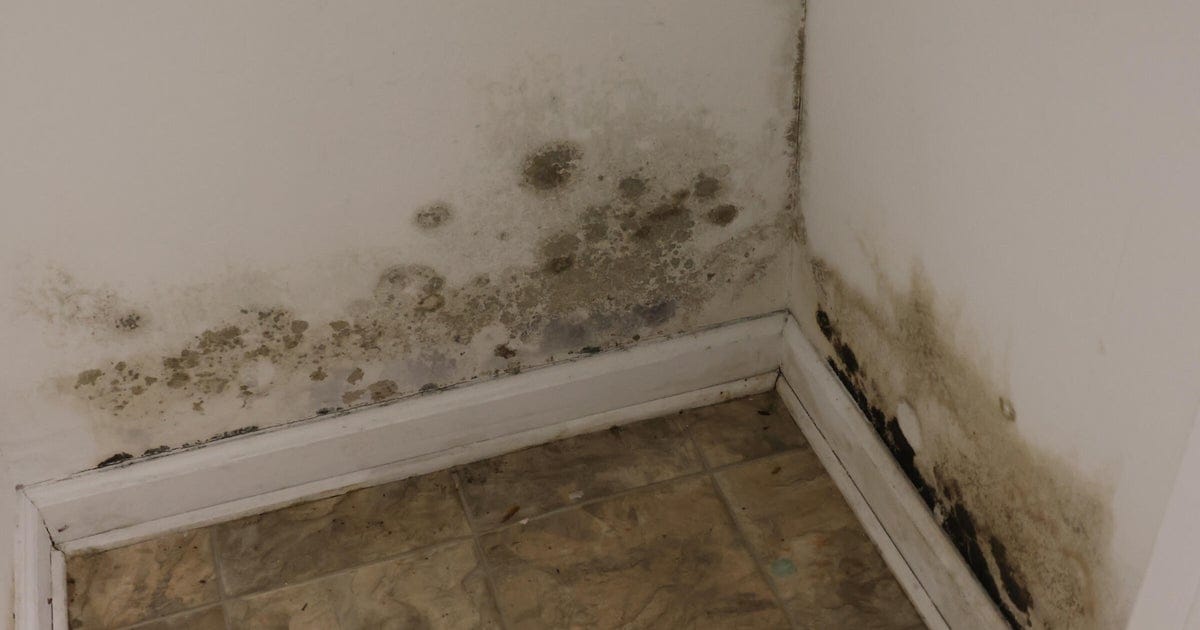
Extreme storms are triggering a surge in hidden mold growth across nearly half of U.S. homes, creating a growing health and financial emergency for families and real estate professionals. From rapid post‑storm mold development to soaring remediation costs, this silent threat is reshaping property safety, insurance challenges, and the future of housing in high‑risk regions.
A Florida consumer has filed a class action accusing Rocket Mortgage of repeatedly calling her even after confirming her opt‑out request, marking the company’s 56th TCPA‑related lawsuit. The complaint claims Rocket continued outreach for nearly three weeks—despite a STOP confirmation—and could impact more than 10,000 consumers nationwide.
Mortgage rates rose for the third straight week, reaching their highest level in a month and triggering a 5.2% drop in overall mortgage applications. Refinance activity slid 7%, purchase demand dipped 2%, and analysts say uncertainty in the bond market is keeping rates on a choppy path. Despite the pullback, today’s loan activity still sits well above last year’s lows, signaling that buyers remain active—but increasingly cautious.
Florida has approved a 6.9% reduction in workers’ compensation insurance rates for 2026, marking the ninth straight year of decreases. The cut, signed by Insurance Commissioner Mike Yaworsky, takes effect January 1 and lowers costs for all new and renewal policies. State officials say the trend reflects improved workplace safety and will help businesses reduce expenses and support growth across industries including real estate, construction, and property management.
Mortgage rates are dipping, inventory is soaring, and—for the first time in years—buyers have real leverage. While home prices remain at record highs and the economy feels unpredictable, rising inventory and cooling rates are creating rare opportunities for financially ready buyers. If you’ve been waiting for the market to open a door, this may be your moment to step through.
Miami developers are pitching 'safe spaces' for millionaires amid fears of a political shift in New York City. Concerns over higher taxes and crime are prompting some New Yorkers to consider relocating south.