Amazon’s Corporate Shakeup: 30,000 Layoffs, AI Ambitions, and a New Era of Automation
Amazon is entering one of the most transformative eras in its history, as new reports reveal the tech giant is preparing to cut as many as 30,000 corporate jobs by May 2026. Following the 14,000 layoffs confirmed in late 2025, the company is now targeting nearly 10% of its white‑collar workforce—part of a sweeping restructuring that mirrors seismic changes across the U.S. labor market.
The cuts are designed to trim layers of managerial bloat and redirect billions toward Amazon’s aggressive shift to artificial intelligence, robotics, and automation. Investor sentiment remains surprisingly resilient. After dipping to $245.98 following the Reuters report, Amazon stock stays supported by a “Strong Buy” consensus, with analysts betting that today’s pain sets up tomorrow’s margin expansion.
Tap to explore: Why Amazon is really cutting jobs
Amazon’s internal strategy documents suggest the company may replace up to 600,000 jobs with automation by 2033. This isn’t just cost‑cutting—it’s a full‑scale transformation as AI systems now handle tasks once reserved solely for humans.
Automation and AI Take Center Stage
While warehouse robots have long powered Amazon’s fulfillment centers, the company is now turning automation inward—into HR, operations, device planning, and even portions of AWS. Administrative tasks, coordination, and customer support are increasingly shifting to generative AI “agents” that operate faster and more efficiently than traditional staff.
Executives label this shift as a course correction after pandemic‑era overhiring. But the deeper reality is Amazon’s urgent need to stay competitive in the escalating AI arms race against Microsoft and Alphabet. With more than $125 billion committed to AI infrastructure, including a $50 billion partnership with U.S. supercomputing projects, Amazon is signaling where its future truly lies.
How Big Are the Layoffs?
The confirmed 14,000 corporate job cuts—along with the possibility of reaching 30,000—place Amazon among the most notable workforce reductions in recent corporate history. Consider the context:
The company previously cut 27,000 jobs between 2022 and 2023.
U.S. employers announced nearly one million layoffs in 2025.
Tech accounted for over 100,000 cuts last year due to rapid AI adoption.
The takeaway is clear: automation isn’t coming someday—it’s here now, reshaping white‑collar roles faster than most professionals expected.
Tap to reveal: Which Amazon teams are hit hardest
Amazon Web Services (administrative + legacy cloud functions)
People Experience & Technology (HR + internal operations)
Devices & Services
Corporate operational planning groups
Seasonal Workers Still Being Hired
Despite the corporate reduction, Amazon continues expanding its frontline workforce, adding nearly 250,000 seasonal workers for its year‑end surge. This dual-track strategy allows Amazon to pare down long‑term costs while scaling manpower during peak demand. But even this model is evolving—as automation becomes more capable each year.
What This Means for Professionals
Across industries—technology, finance, logistics, insurance, and even real estate—the message is unmistakable: AI is reshaping the future of work. Upskilling is now a necessity, not a luxury.
That’s where education leaders like Cameron Academy come in. Whether you’re pursuing a real estate license, upgrading a mortgage credential, or branching into insurance or financial services, continuous learning is the most powerful shield against automation-driven disruption.
FAQs
How many employees are being laid off?
Amazon has confirmed 14,000 corporate layoffs (about 4% of staff), with the potential to reach 30,000 by mid‑2026.
Why is Amazon reducing staff while investing heavily in AI?
The company over-expanded during the pandemic and is now realigning toward efficiency. Amazon expects automation to replace up to 600,000 roles by 2033, making AI its core strategy for long‑term growth and productivity.
Source: Economic Times – https://economictimes.indiatimes.com/news/international/us/amazon-stock-down-after-14000-corporate-job-cuts-in-late-2025-up-to-30000-layoffs-now-expected-is-volatility-giving-way-to-efficiency/articleshow/126439284.cms
More Articles
Getting licensed or staying ahead in your career can be a journey—but it doesn’t have to be overwhelming. Grab your favorite coffee or tea, take a moment to relax, and browse through our articles. Whether you’re just starting out or renewing your expertise, we’ve got tips, insights, and advice to keep you moving forward. Here’s to your success—one sip and one step at a time!
The title insurance industry is entering 2026 with a renewed focus on technology, operational efficiency, and stronger agent support after years of volatility. Leaders from major underwriters report rising transaction activity, improved affordability, and a surge in automation and fraud‑prevention tools—signs that smarter systems and better training will define the next wave of growth.
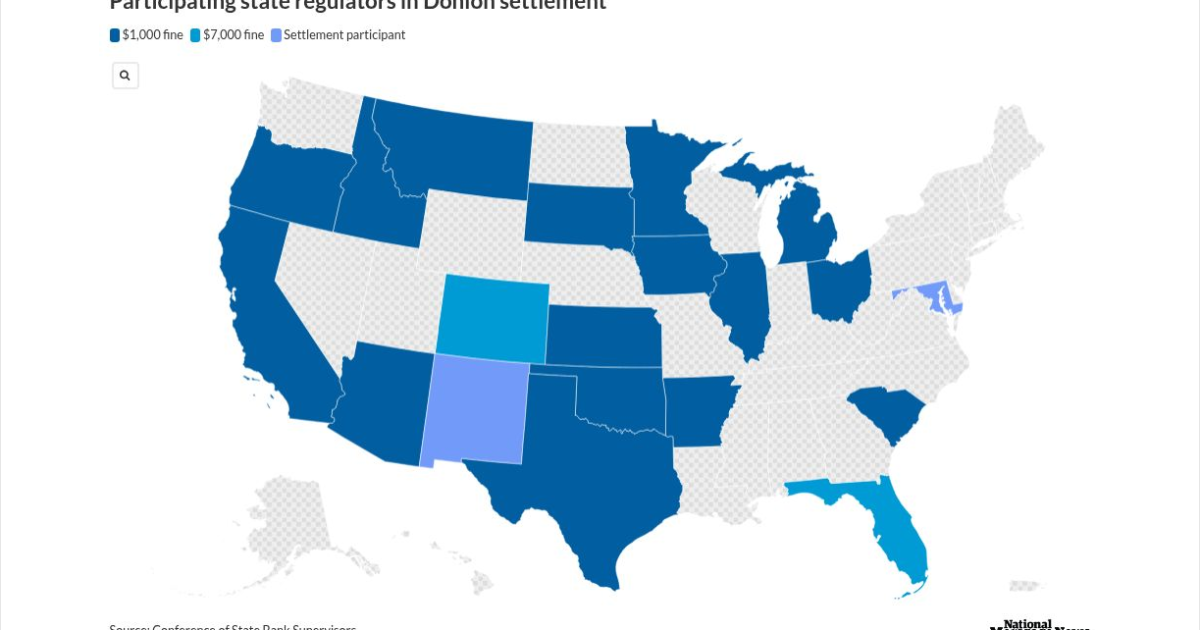
A multistate crackdown has sent shockwaves through the mortgage industry as Patrick Terrance Donlon, CEO of Trusted American Mortgage, accepted a sweeping settlement that bans him from working as a mortgage loan originator in 21 states—19 of them permanently. Regulators say Donlon had another individual complete his mandatory licensing and continuing‑education courses, a violation that triggered a coordinated investigation and a $31,000 penalty. The case underscores regulators’ growing intolerance for education fraud and serves as a sharp reminder to industry professionals: cutting corners on licensing can end careers.
Florida’s once‑booming housing market is cooling fast as rising insurance premiums, increasing foreclosures, and expanding flood zones push buyers to back out of deals and force sellers to cut prices. With insurance now adding thousands to annual housing costs, professionals across real estate, mortgage, and insurance are navigating a dramatically shifting landscape that’s redefining affordability in the Sunshine State.
Florida begins 2026 with a wave of more than 250 new laws now in effect, impacting healthcare, insurance, real estate, and consumer protections statewide. From free breast cancer screenings for state employees to tighter pet insurance regulations, mandatory healthcare refund rules, enhanced animal‑cruelty penalties, and new condo‑management requirements, these updates carry major implications for professionals navigating Florida’s evolving regulatory landscape.
Florida’s barrier islands may offer postcard-perfect beaches and soaring real estate demand, but they’re also some of the most fragile and costly places to build in the United States. With 765,000 residents living on land that shifts, sinks, and takes the brunt of every major hurricane, the financial and insurance risks are accelerating fast. From billion‑dollar beach rebuilds to towers settling into the sand, today’s coastal development challenges are reshaping conversations around property values, disclosure, and long‑term resilience. For real estate professionals, understanding these risks isn’t just smart — it’s becoming essential.
A Cedar City development is turning heads with its fresh approach to affordability. The team behind Temple View Commons is delivering luxury‑inspired twin homes at prices below the local median by using a small, hands‑on staff and cutting traditional costs like realtor commissions. In a tight Utah housing market where inventory is scarce and prices remain high, their strategy offers a realistic path to homeownership without sacrificing high‑end finishes.

 Title Insurance Leaders Double Down on Tech and Efficiency to Drive 2026 Market Momentum Gallery