Amazon’s Corporate Shakeup: 30,000 Layoffs, AI Ambitions, and a New Era of Automation
Amazon is entering one of the most transformative eras in its history, as new reports reveal the tech giant is preparing to cut as many as 30,000 corporate jobs by May 2026. Following the 14,000 layoffs confirmed in late 2025, the company is now targeting nearly 10% of its white‑collar workforce—part of a sweeping restructuring that mirrors seismic changes across the U.S. labor market.
The cuts are designed to trim layers of managerial bloat and redirect billions toward Amazon’s aggressive shift to artificial intelligence, robotics, and automation. Investor sentiment remains surprisingly resilient. After dipping to $245.98 following the Reuters report, Amazon stock stays supported by a “Strong Buy” consensus, with analysts betting that today’s pain sets up tomorrow’s margin expansion.
Tap to explore: Why Amazon is really cutting jobs
Amazon’s internal strategy documents suggest the company may replace up to 600,000 jobs with automation by 2033. This isn’t just cost‑cutting—it’s a full‑scale transformation as AI systems now handle tasks once reserved solely for humans.
Automation and AI Take Center Stage
While warehouse robots have long powered Amazon’s fulfillment centers, the company is now turning automation inward—into HR, operations, device planning, and even portions of AWS. Administrative tasks, coordination, and customer support are increasingly shifting to generative AI “agents” that operate faster and more efficiently than traditional staff.
Executives label this shift as a course correction after pandemic‑era overhiring. But the deeper reality is Amazon’s urgent need to stay competitive in the escalating AI arms race against Microsoft and Alphabet. With more than $125 billion committed to AI infrastructure, including a $50 billion partnership with U.S. supercomputing projects, Amazon is signaling where its future truly lies.
How Big Are the Layoffs?
The confirmed 14,000 corporate job cuts—along with the possibility of reaching 30,000—place Amazon among the most notable workforce reductions in recent corporate history. Consider the context:
The company previously cut 27,000 jobs between 2022 and 2023.
U.S. employers announced nearly one million layoffs in 2025.
Tech accounted for over 100,000 cuts last year due to rapid AI adoption.
The takeaway is clear: automation isn’t coming someday—it’s here now, reshaping white‑collar roles faster than most professionals expected.
Tap to reveal: Which Amazon teams are hit hardest
Amazon Web Services (administrative + legacy cloud functions)
People Experience & Technology (HR + internal operations)
Devices & Services
Corporate operational planning groups
Seasonal Workers Still Being Hired
Despite the corporate reduction, Amazon continues expanding its frontline workforce, adding nearly 250,000 seasonal workers for its year‑end surge. This dual-track strategy allows Amazon to pare down long‑term costs while scaling manpower during peak demand. But even this model is evolving—as automation becomes more capable each year.
What This Means for Professionals
Across industries—technology, finance, logistics, insurance, and even real estate—the message is unmistakable: AI is reshaping the future of work. Upskilling is now a necessity, not a luxury.
That’s where education leaders like Cameron Academy come in. Whether you’re pursuing a real estate license, upgrading a mortgage credential, or branching into insurance or financial services, continuous learning is the most powerful shield against automation-driven disruption.
FAQs
How many employees are being laid off?
Amazon has confirmed 14,000 corporate layoffs (about 4% of staff), with the potential to reach 30,000 by mid‑2026.
Why is Amazon reducing staff while investing heavily in AI?
The company over-expanded during the pandemic and is now realigning toward efficiency. Amazon expects automation to replace up to 600,000 roles by 2033, making AI its core strategy for long‑term growth and productivity.
Source: Economic Times – https://economictimes.indiatimes.com/news/international/us/amazon-stock-down-after-14000-corporate-job-cuts-in-late-2025-up-to-30000-layoffs-now-expected-is-volatility-giving-way-to-efficiency/articleshow/126439284.cms
More Articles
Getting licensed or staying ahead in your career can be a journey—but it doesn’t have to be overwhelming. Grab your favorite coffee or tea, take a moment to relax, and browse through our articles. Whether you’re just starting out or renewing your expertise, we’ve got tips, insights, and advice to keep you moving forward. Here’s to your success—one sip and one step at a time!
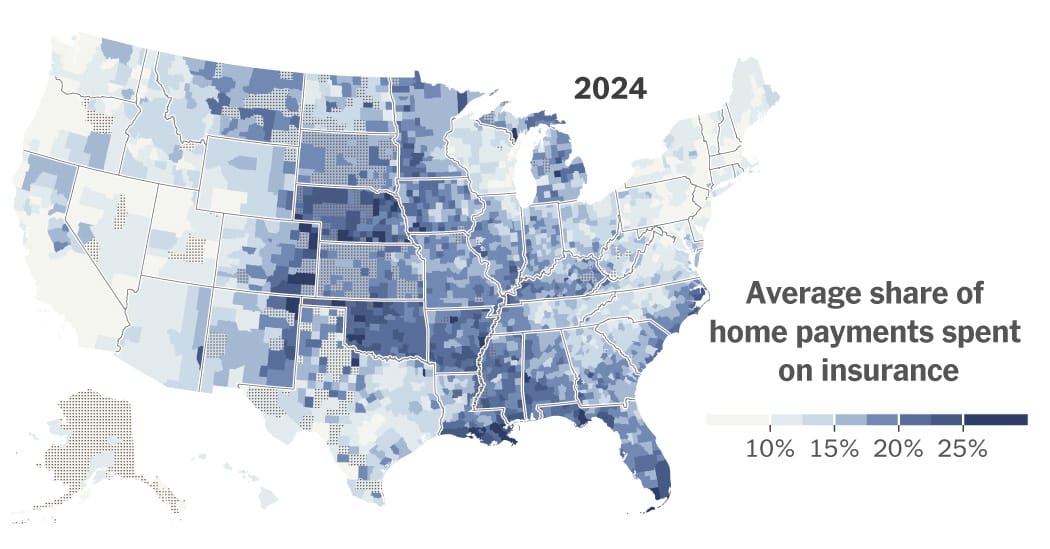
A surge in home insurance premiums is reshaping housing markets across the country, hitting disaster‑prone regions the hardest. From Louisiana to Colorado and California, deals are collapsing, buyers are backing out, and home values are dropping as insurance becomes a central affordability hurdle. New data shows climate‑driven risk repricing and soaring reinsurance costs are stripping tens of thousands of dollars from property values, forcing some homeowners to sell at a loss—or go uninsured altogether.
After years of sluggish activity, the National Association of REALTORS predicts 2026 could mark the long‑awaited rebound for the housing market. With a projected 14% jump in home sales, steadier rates near 6%, and rising buyer activity, NAR economists say momentum is already building. Early signs—like a 31% surge in mortgage applications, continued job growth, and stabilizing prices—suggest a stronger, more confident market ahead, creating fresh opportunities for both seasoned professionals and aspiring agents preparing to enter the field.
A surge of global capital is reshaping real estate heading into 2026, with investors shifting toward hands‑on strategies, cross‑border diversification, and high‑growth asset classes like data centers. Colliers’ 2026 Global Investor Outlook highlights rising confidence, improving liquidity, and a major pivot toward direct investing and value‑add opportunities. From office market rebounds to Asia Pacific’s rapid fundraising growth, the report outlines trends every real estate professional should understand as the industry enters a more dynamic, opportunity‑rich cycle.
Culver City just became the first place in California to legalize six‑story apartment buildings with only one staircase — a simple change that could reshape mid‑rise housing statewide. By freeing up as much as 7% more usable floor space, architects say single‑stair designs allow bigger units, more windows, and the kind of elegant layouts common in New York and Europe. If the city’s six‑year experiment succeeds, it may spark a broader rethinking of U.S. building codes and open the door to more flexible, affordable multifamily development across California.
Stratford homeowners are receiving their 2025 Notices of Assessment Change, marking the town’s first property revaluation since 2019. Officials emphasize that rising assessments do not equal higher tax bills, as a new mill rate won’t be set until spring 2026. Residents can challenge or review their updated valuations through informal hearings hosted by Vision Government Solutions, with appointments available for one week after receiving a notice.
New reporting reveals Florida homeowners now face an average insurance premium of $5,838 per year — nearly triple the national average. With skyrocketing rates, denied claims, and mounting non-renewals, residents are being pushed to tough financial decisions while lawmakers scramble to implement reforms. From retirees skipping coverage to families battling insurers for fair payouts, Florida’s insurance crisis is reshaping both the housing market and the daily lives of homeowners statewide.