Amazon’s Return-to-Office Mandate: A Catalyst for Downtown Seattle
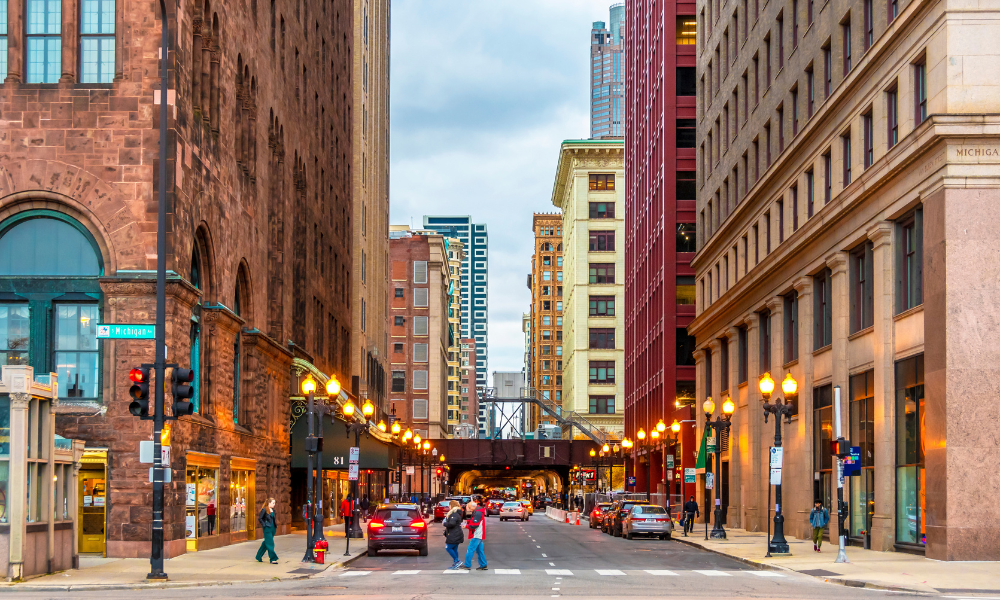
As Amazon initiates its five-day return-to-office policy, many are watching to see if this move will ripple through Seattle’s corporate landscape. This shift, which marks a departure from the company’s previous three-day policy, is seen as a significant step towards revitalizing downtown Seattle.
According to GeekWire, Jon Scholes, president of the Downtown Seattle Association, views Amazon’s decision as “influential.” With around 50,000 employees in Seattle, the tech giant’s full-time return to the office could set a precedent for other companies pondering their own work policies.
Scholes remarked, “When a company of that scale moves in this direction, it sends a signal to many other organizations and companies that have been wrestling with the same set of considerations of, how do we work best?”
Despite the enthusiasm, Amazon remains an outlier. Many companies have embraced hybrid work policies, which allow for remote work flexibility. However, the impact of remote work has been profound in downtown Seattle, where weekday worker numbers have dwindled to just 56% of pre-pandemic levels.
The Broader Implications
City leaders, including Mayor Bruce Harrell, see the return of office workers as crucial to downtown revitalization and public safety. Scholes noted, “More people in a public space is a good thing. Amazon’s return to five days is going to increase real and perceived safety downtown.”
Meanwhile, high office vacancy rates continue to challenge Seattle, with some developers defaulting on office debt. The Cushman & Wakefield report highlights that Amazon has relinquished nearly 595,000 square feet of space in Seattle this year, shifting its focus to nearby Bellevue.
Looking Forward
As Amazon’s new policy takes effect, small businesses around its headquarters are reportedly excited about the increased foot traffic, according to related reports. The move is expected to bolster local economies and potentially inspire other companies to follow suit, fostering a more vibrant urban environment.
Whether Amazon’s decision will indeed spark a broader return-to-office trend remains to be seen, but its influence is undeniable. As Scholes optimistically noted, the tech giant’s move could be the “lift that we need” for Seattle’s downtown resurgence.
More Articles
Getting licensed or staying ahead in your career can be a journey—but it doesn’t have to be overwhelming. Grab your favorite coffee or tea, take a moment to relax, and browse through our articles. Whether you’re just starting out or renewing your expertise, we’ve got tips, insights, and advice to keep you moving forward. Here’s to your success—one sip and one step at a time!
Tampa Bay’s real estate market is entering a rare sweet spot in 2026—balancing rising inventory, steady demand, and booming commercial development. With housing supply up to 4.3 months and prices stabilizing, the region is shifting from frenzy to sustainable growth. Population migration, modernized commercial spaces, and lifestyle-focused districts like Water Street and Midtown continue to fuel Tampa’s evolution. But even amid luxury expansion, affordability remains the top challenge shaping the next phase of opportunity for real estate professionals.
Each year, AZ Big Media spotlights the visionaries shaping Arizona’s fast‑growing commercial real estate landscape. The 2026 AZ Big 100 list highlights 50 influential builders, developers, architects, and innovators who are driving sustainable growth, expanding infrastructure, and redefining community-focused design. For professionals in real estate, construction, finance, and related fields, this roundup offers a powerful look at the leadership and trends guiding Arizona’s next era of development.
After years of relentless premium increases, State Farm has filed for a 10% homeowners insurance rate reduction in Florida, signaling that recent legislative reforms may finally be stabilizing the state’s turbulent insurance market. This move could pressure other insurers to follow and marks one of the first meaningful signs of relief for Florida homeowners and real estate professionals.
Illinois has updated its insurance supplier diversity reporting requirements, impacting insurers, HMOs, dental plan corporations, and accredited reinsurers with at least $50 million in admitted assets. Beginning April 1, 2026, companies must use the state’s new PDF template and file through SERFF, following strict formatting rules for procurement, certification types, and diversity goals. The update signals a stronger statewide push for transparency and equitable contracting, making accurate compliance essential for insurance and finance professionals.
YouTube superstar MrBeast has officially moved into the world of finance with his acquisition of Step, a fast‑growing youth money management app backed by Stripe and major venture investors. Now operating under Beast Industries, Step is poised to bring modern financial tools—like credit building, investing, and budgeting—to millions of teens and young adults. With MrBeast’s massive reach and Step’s existing user base of over 7 million, this move could reshape how the next generation learns essential financial skills, giving future professionals a stronger foundation whether they pursue real estate, mortgage, insurance, finance, or any career where smart money decisions matter.
Long Island’s commercial market just hit an all‑time high, closing $4.1 billion in commercial real estate sales across Nassau and Suffolk counties in 2025—a 71 percent jump from the prior year. Specialty-use properties like assisted living and self‑storage led the surge, fueled by lower interest rates and renewed investor confidence.