Americans Are Moving Differently — And It’s About to Reshape Commercial Real Estate
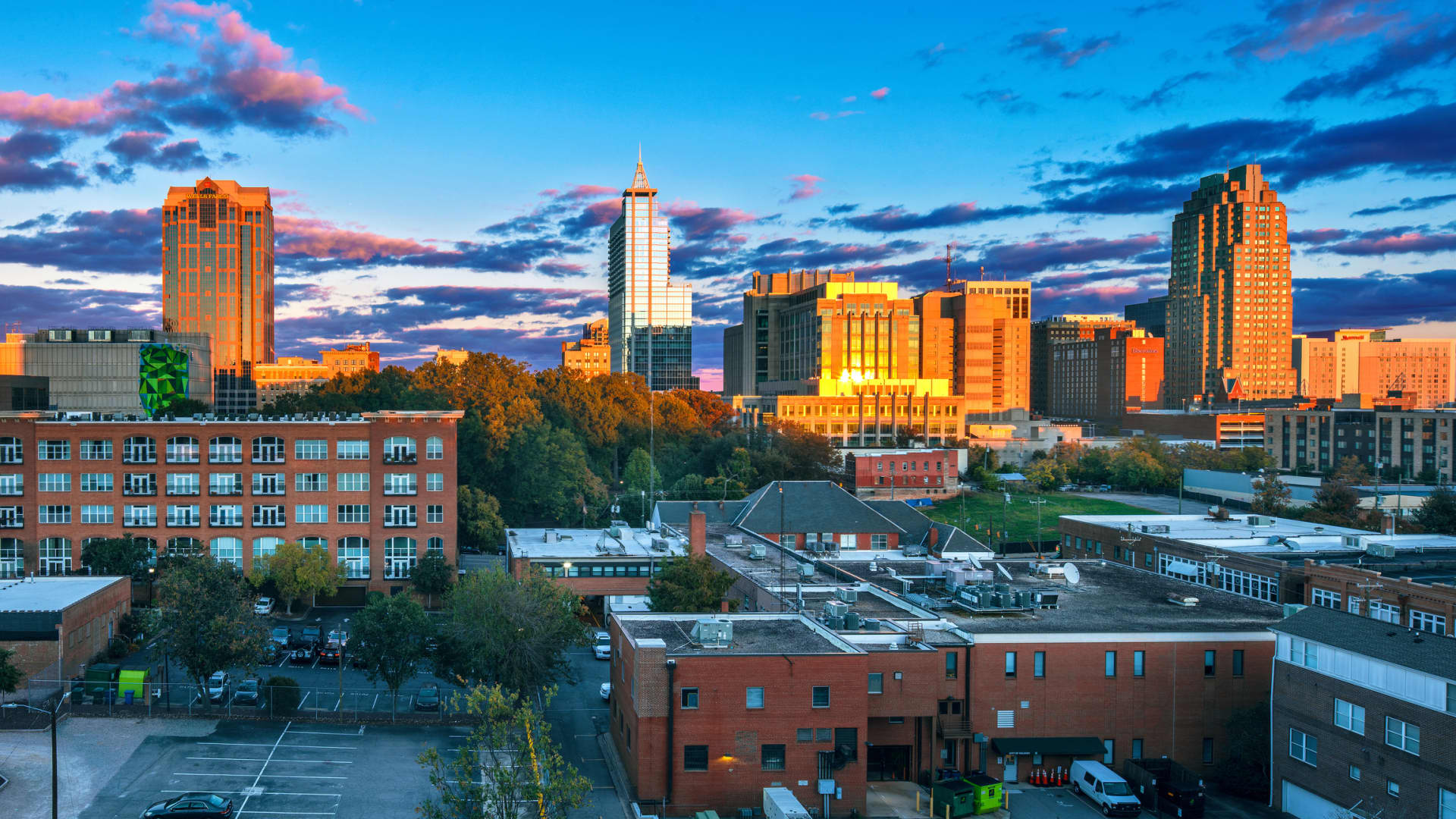
Downtown skyline

For generations, Americans packed up and moved in pursuit of economic opportunity. Today, that trend has shifted dramatically, according to a new migration report from United Van Lines. Instead of flocking to bustling urban centers, people are increasingly choosing smaller markets—places where homes cost less, commutes are shorter, and overall quality of life feels more manageable.

This emerging trend is creating a ripple effect that commercial real estate investors can’t afford to ignore. With states like Oregon, the Carolinas, and much of the South drawing in new residents, the markets investors once assumed would boom indefinitely are starting to evolve in surprising ways.

Source Spotlight: CNBC Property Play

This article is based on reporting from CNBC’s Property Play newsletter by Diana Olick. For deeper investor insights, subscribe directly through CNBC for weekly updates.

Why Americans Are Moving — And What Comes Next

United Van Lines’ annual study revealed a major shift: affordability and family proximity now rank higher than career opportunity for many movers. With six of the top ten inbound states located in the South or South Atlantic, the report paints a clear picture of a population seeking a slower and more grounded lifestyle.

Meanwhile, younger generations—including millennials and Gen Z—are finding refuge just outside major metros. New Jersey, for example, has become a go‑to for young professionals priced out of New York City. At the same time, retirees are steadily leaving the state, making it the top outbound location in the U.S.

According to Ryan Severino, chief economist at BGO, these shifting motivations have major implications for commercial real estate: “The need for more affordable housing, more modest office parks and more middle‑ to lower‑income retail spaces are better bets for investors.” Even industrial properties like self‑storage are quietly rising in demand as smaller, more affordable homes become the norm.

The Southern Surge — And Its Surprising Reversal

The pandemic years ignited a mass migration to the South. Investors piled in. Developers built aggressively. Rent growth forecasts soared.

But many of those expectations have cooled.

“They were expecting 6% to 8% rent growth for years,” said Manus Clancy of Lightbox. “Now rents are falling as new inventory comes online—2024 had the highest build volume in 50 years.” Some newcomers to Arizona, Nevada, and Florida have even begun moving out, leaving behind developers who overestimated long‑term demand.

As Severino notes, investors assumed these migration patterns would accelerate indefinitely. But with household formation slowing and population growth decelerating, the opposite appears to be true.

Investor Tip Box

Discount-focused retail, affordable multifamily housing, and well‑located industrial support spaces (like self‑storage) are emerging as the strongest long‑term plays.

What This Means for Today’s Real Estate Professionals

Commercial real estate is no longer riding the momentum of predictable population growth. Investors must be strategic, selective, and—more than ever—educated about emerging market patterns.

This is also where professional development becomes invaluable. Whether you’re entering the real estate field or expanding your investment credentials, understanding market migration and demographic shifts is essential. Cameron Academy continues to equip professionals across real estate, mortgage, insurance, and other licensed industries with up‑to‑date, market‑relevant knowledge so they can stay ahead of these changing trends.

Looking Ahead

The South isn’t slowing down entirely, but the days of assuming endless migration and easy rent spikes are over. As Americans’ priorities shift, the commercial properties that thrive will be those aligned with affordability, accessibility, and sustainable lifestyle choices.

For investors, developers, and real estate professionals, the message is clear: the next decade won’t reward broad assumptions—it will reward strategic precision.

More Articles

Getting licensed or staying ahead in your career can be a journey—but it doesn’t have to be overwhelming. Grab your favorite coffee or tea, take a moment to relax, and browse through our articles. Whether you’re just starting out or renewing your expertise, we’ve got tips, insights, and advice to keep you moving forward. Here’s to your success—one sip and one step at a time!

The Great Housing Reset: What Redfin Predicts for 2026

Redfin forecasts a slow but meaningful return to normalcy in the U.S. housing market starting in 2026. Instead of a crash or a rapid correction, the year marks the beginning of a “Great Housing Reset” where affordability gradually improves, mortgage rates ease into the low‑6% range, home sales tick upward, and renters, buyers, and professionals finally feel less market pressure. From wage growth outpacing home prices to rising refi activity and the rise of AI‑powered real estate tools, 2026 is shaping up to be a foundational year for real estate careers and long‑term market stability.

Climate Disasters Are Outpacing Insurance Uptake as the Global Protection Gap Nears Crisis Levels

Hurricane Melissa’s destruction in Jamaica highlights a growing global reality: climate risks are accelerating faster than insurance adoption. With more than 90% of disaster losses in developing regions going uninsured and a worldwide protection gap exceeding $1.8 trillion annually, experts warn that traditional insurance systems can no longer keep up. New models—like parametric payouts, community‑based aggregation and bundled climate tools—are emerging, but governments and corporations must step in to prevent financial shocks from destabilizing entire economies.

AI-Powered Excavators? Gravis Robotics Secures $23M to Tackle Construction’s Growing Labor Crisis

Gravis Robotics, a Zurich-based startup, just raised $23 million to bring autonomous tech to construction sites facing a massive operator shortage. As demand surges for renewable energy projects, data centers, and new housing, Gravis retrofits traditional heavy machinery with AI-driven systems that can work autonomously or via remote guidance. With trials already underway across seven countries, the company is pushing a future where humans and robots collaborate — speeding up development timelines and reshaping industries from construction to real estate.

Zillow Drops Climate Risk Scores—What It Means for Agents, Buyers, and the Future of Real Estate

Zillow has quietly removed its climate‑risk scores after months of pressure from agents, homeowners, and listing services who said the warnings were scaring off buyers. The move has sparked a national debate: Is this a win for real estate sales or a setback for consumer transparency? Critics warn that without clear climate‑risk data, families could be “flying blind” into costly surprises like insurance spikes and flood damage. As climate impacts intensify and disclosure expectations rise, real estate professionals must stay informed—because whether Zillow shows the data or not, the risks aren’t going anywhere.

Florida’s Property Insurance Battle Heats Up as 2026 Approaches

Florida’s property insurance crisis is becoming the defining issue heading into the 2026 election season. Republicans argue that recent reforms are finally stabilizing the market, pointing to reduced litigation and cooling reinsurance costs. Democrats counter that families are still facing unbearable premiums, with condo prices dropping over 8% and Floridians paying some of the highest insurance rates in the nation. As lawmakers prepare to return to Tallahassee, the future of insurance reform is set to become the central political fight—one that will directly impact homeowners, investors, and real estate professionals across the state.

The Invisible Backbone Transforming Modern Real Estate

Connectivity has become one of the most powerful differentiators in today’s real estate market. As smart buildings, automation, and sustainability demands accelerate, fiber networks are replacing outdated copper systems and reshaping property value. With lower energy use, unified smart‑building capabilities, reduced long‑term costs, and stronger tenant satisfaction, digital infrastructure is now central to investment strategy. Real estate professionals who understand this shift gain a competitive edge as the industry moves toward cleaner, smarter, more connected buildings.