Americans Are Moving Differently — And It’s Reshaping Commercial Real Estate
Across the United States, Americans are rethinking where they want to live — and these evolving migration patterns are now reshaping the commercial real estate landscape in powerful ways. What was once a westward sprint for opportunity has softened into a more intentional shift driven by affordability, family ties, and lifestyle balance.
A new report from United Van Lines reveals a striking change: instead of chasing expensive, high-growth metros, households are gravitating toward smaller markets where costs are lower, pace is calmer, and space feels abundant. The consequences could be profound for investors, developers, and the professionals guiding both.
Source Spotlight: Inspired by in-depth reporting from Diana Olick’s Property Play newsletter at CNBC. Explore the full story at CNBC.com for extended analysis.
Where Americans Are Headed Now
Oregon claimed the top inbound migration spot in 2025 for the first time ever. Meanwhile, Florida and Texas — once pandemic migration magnets — are leveling out as inflow and outflow finally balance.
Six of the top 10 inbound states sit within the South and South Atlantic regions. West Virginia, South Carolina, North Carolina, Arkansas, Alabama, and Delaware have become standout destinations for those craving affordability without sacrificing lifestyle.
Younger buyers, particularly millennials and Gen Z, are now eyeing New Jersey as a strategic alternative to New York City’s soaring costs. Retirees, however, continue exiting the state, making it the top outbound destination.
What This Means for Commercial Real Estate
Ryan Severino, chief economist at BGO, notes that these patterns present both fresh opportunities and new challenges. As budgets stretch thinner and personal preferences shift, commercial real estate must evolve alongside them.
Affordable housing, modest office parks, and mid- to lower-income retail centers are emerging as the strongest long-term plays. Even industrial needs are being redefined: smaller living spaces mean rising demand for self-storage, and new regional hubs need warehouses scaled for smaller but fast-growing markets.
The overarching theme is caution. Migration, household formation, and population growth are all slowing — suggesting future returns won’t mirror the explosive momentum of the 2010s and early 2020s.
Southern Markets: The Rise and Rebalancing
The South absorbed one of the most aggressive influxes of new residents during the pandemic era. Multifamily developers raced to build, anticipating unstoppable demand. But a historic oversupply in 2024 — the largest in five decades — cooled rents and even spurred reverse migration from some who felt the promise exceeded the reality.
States like Arizona, Nevada, and Florida illustrate this dynamic clearly. Development soared, but many newcomers have since moved on. For investors, this is a reminder: strategy must be rooted in realism, not momentum.
Retail trends echo this shift. Luxury giants like Simon Property Group are tightening focus, while discount grocers and value-driven retailers capture expanding market share.
What This Means for Real Estate Professionals
As migration continues evolving, real estate professionals must stay adaptable, data-driven, and prepared. Smaller markets are stepping into the spotlight, and understanding why people move is becoming just as essential as knowing where they’re going.
For newcomers entering the field — and seasoned pros expanding their skill sets — this level of insight is invaluable. Institutions like Cameron Academy empower agents, brokers, mortgage experts, and other professionals with the knowledge needed to thrive in markets shaped by shifting demographics and economic realignment.
Learn More: For deeper dives into investor behavior and commercial trends, explore Diana Olick’s excellent Property Play newsletter at CNBC.
Americans will always pursue opportunity and lifestyle — but the definition of both is changing fast. For investors and real estate professionals alike, understanding modern migration isn’t optional. It’s the foundation of future success.
More Articles
Getting licensed or staying ahead in your career can be a journey—but it doesn’t have to be overwhelming. Grab your favorite coffee or tea, take a moment to relax, and browse through our articles. Whether you’re just starting out or renewing your expertise, we’ve got tips, insights, and advice to keep you moving forward. Here’s to your success—one sip and one step at a time!
With increasing governmental and private investments, the demand for precision medicine is expected to rise steadily. The commitment to addressing chronic conditions, coupled with strategic industry collaborations and advanced diagnostic tools, will sustain market growth.
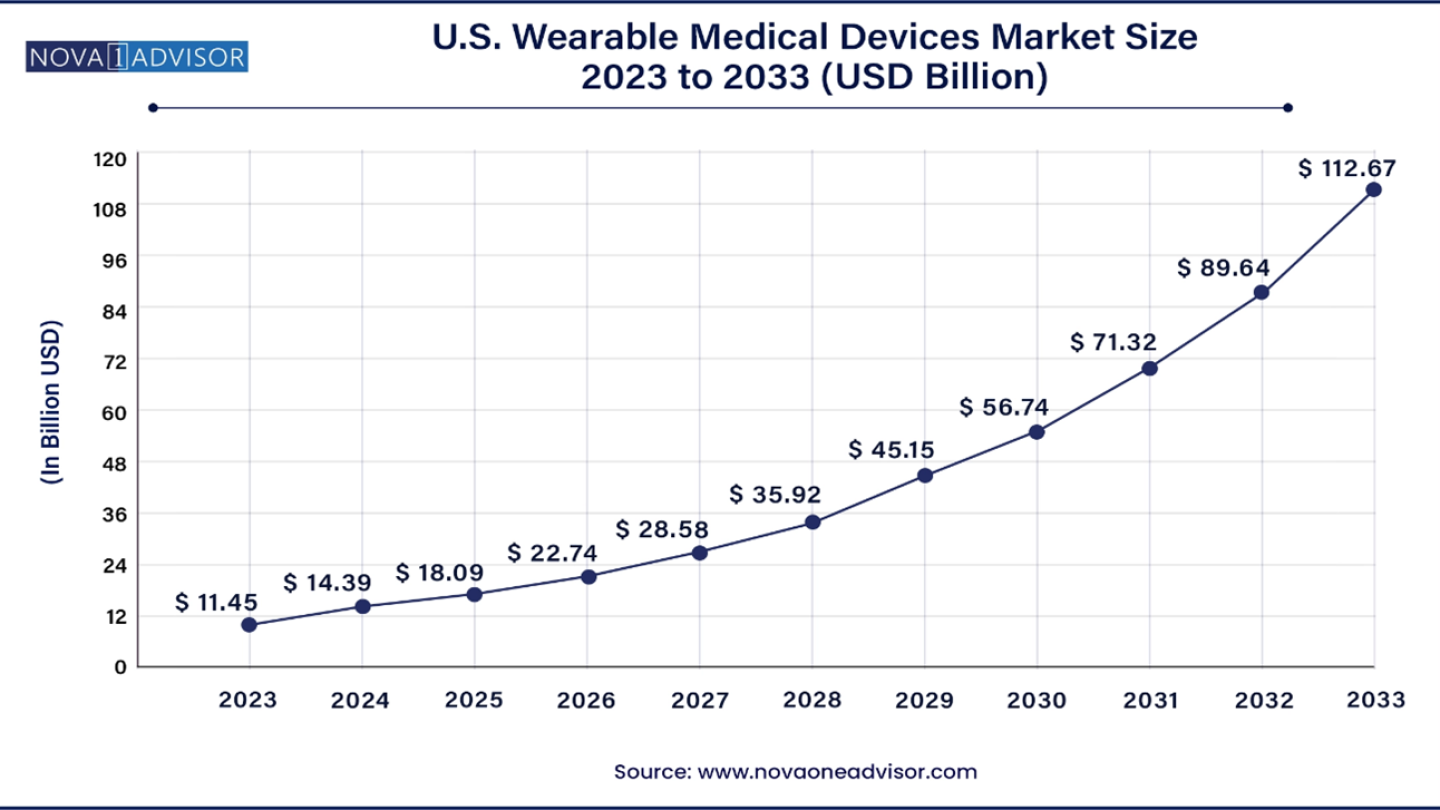
The U.S. wearable medical devices market, currently valued at an estimated $11.45 billion in 2023, is set to experience an astronomical rise to approximately $112.67 billion by 2033.
The real estate market is on the brink of transformation, captivating the attention of buyers, sellers, investors, and industry professionals. As we look toward the end of 2024, experts predict a shift in the landscape, particularly with home prices expected to decline due to increased inventory levels.
According to the World Health Organization (WHO), nearly two billion people in rural and remote areas worldwide lack access to essential healthcare solutions. This staggering statistic highlights a critical issue: the digital divide that limits telehealth services, primarily due to inadequate broadband access.
As AI becomes a staple in medical practice, it carries the risk of reinforcing existing biases entrenched in historical data. These biases can lead to skewed outcomes, particularly affecting marginalized communities such as the LGBTQIA+ and certain ethnic groups.
A groundbreaking study published in Volume 15 of Oncotarget on October 11, 2024, titled 'Relationship between the expressions of DLL3, ASC1, TTF-1 and Ki-67: First steps of precision medicine at SCLC' showcases pivotal advancements in the fight against small cell lung cancer (SCLC).