Americans Are Moving Differently — And It’s Reshaping Commercial Real Estate
Across the United States, Americans are rethinking where they want to live — and these evolving migration patterns are now reshaping the commercial real estate landscape in powerful ways. What was once a westward sprint for opportunity has softened into a more intentional shift driven by affordability, family ties, and lifestyle balance.
A new report from United Van Lines reveals a striking change: instead of chasing expensive, high-growth metros, households are gravitating toward smaller markets where costs are lower, pace is calmer, and space feels abundant. The consequences could be profound for investors, developers, and the professionals guiding both.
Source Spotlight: Inspired by in-depth reporting from Diana Olick’s Property Play newsletter at CNBC. Explore the full story at CNBC.com for extended analysis.
Where Americans Are Headed Now
Oregon claimed the top inbound migration spot in 2025 for the first time ever. Meanwhile, Florida and Texas — once pandemic migration magnets — are leveling out as inflow and outflow finally balance.
Six of the top 10 inbound states sit within the South and South Atlantic regions. West Virginia, South Carolina, North Carolina, Arkansas, Alabama, and Delaware have become standout destinations for those craving affordability without sacrificing lifestyle.
Younger buyers, particularly millennials and Gen Z, are now eyeing New Jersey as a strategic alternative to New York City’s soaring costs. Retirees, however, continue exiting the state, making it the top outbound destination.
What This Means for Commercial Real Estate
Ryan Severino, chief economist at BGO, notes that these patterns present both fresh opportunities and new challenges. As budgets stretch thinner and personal preferences shift, commercial real estate must evolve alongside them.
Affordable housing, modest office parks, and mid- to lower-income retail centers are emerging as the strongest long-term plays. Even industrial needs are being redefined: smaller living spaces mean rising demand for self-storage, and new regional hubs need warehouses scaled for smaller but fast-growing markets.
The overarching theme is caution. Migration, household formation, and population growth are all slowing — suggesting future returns won’t mirror the explosive momentum of the 2010s and early 2020s.
Southern Markets: The Rise and Rebalancing
The South absorbed one of the most aggressive influxes of new residents during the pandemic era. Multifamily developers raced to build, anticipating unstoppable demand. But a historic oversupply in 2024 — the largest in five decades — cooled rents and even spurred reverse migration from some who felt the promise exceeded the reality.
States like Arizona, Nevada, and Florida illustrate this dynamic clearly. Development soared, but many newcomers have since moved on. For investors, this is a reminder: strategy must be rooted in realism, not momentum.
Retail trends echo this shift. Luxury giants like Simon Property Group are tightening focus, while discount grocers and value-driven retailers capture expanding market share.
What This Means for Real Estate Professionals
As migration continues evolving, real estate professionals must stay adaptable, data-driven, and prepared. Smaller markets are stepping into the spotlight, and understanding why people move is becoming just as essential as knowing where they’re going.
For newcomers entering the field — and seasoned pros expanding their skill sets — this level of insight is invaluable. Institutions like Cameron Academy empower agents, brokers, mortgage experts, and other professionals with the knowledge needed to thrive in markets shaped by shifting demographics and economic realignment.
Learn More: For deeper dives into investor behavior and commercial trends, explore Diana Olick’s excellent Property Play newsletter at CNBC.
Americans will always pursue opportunity and lifestyle — but the definition of both is changing fast. For investors and real estate professionals alike, understanding modern migration isn’t optional. It’s the foundation of future success.
Getting licensed or staying ahead in your career can be a journey—but it doesn’t have to be overwhelming. Grab your favorite coffee or tea, take a moment to relax, and browse through our articles. Whether you’re just starting out or renewing your expertise, we’ve got tips, insights, and advice to keep you moving forward. Here’s to your success—one sip and one step at a time!
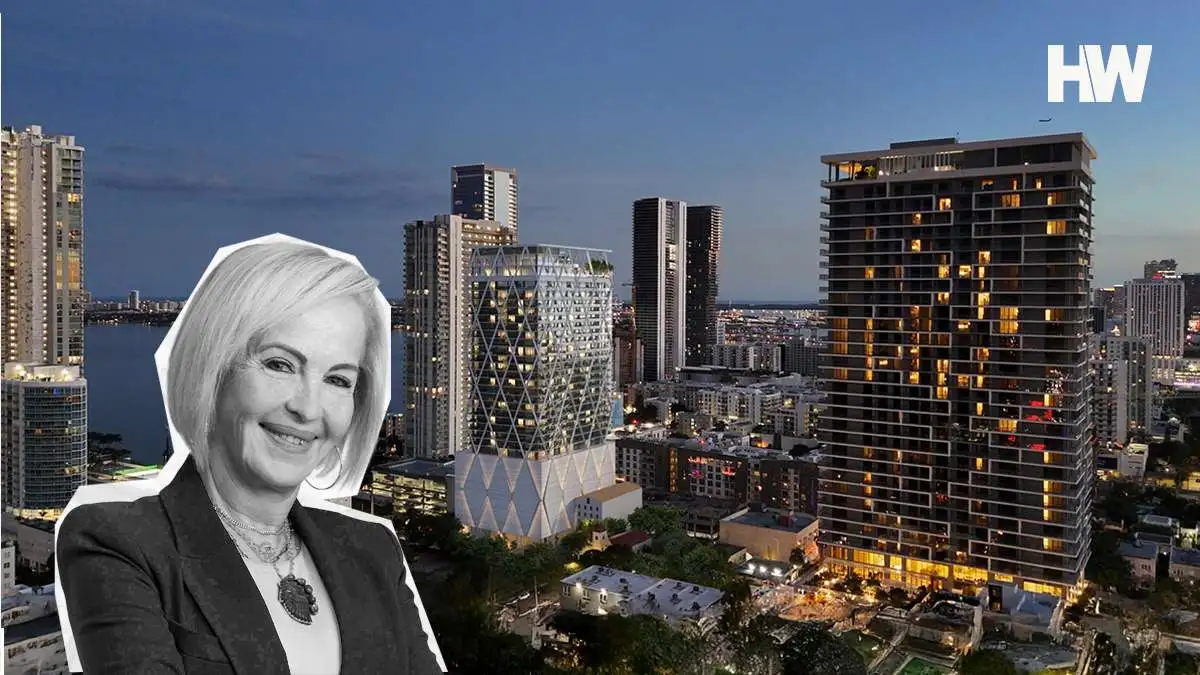
Miami’s luxury condo market has many success stories, but few rise to the level of Maile Aguila. After closing more than $1 billion in sales in 2024, Aguila has become one of the most influential forces in Brickell and downtown Miami. From her beginnings in accounting to becoming the go‑to expert for high‑end developments, her journey offers a blueprint for new agents: specialize, become hyper‑local, master the soft sell, and make yourself indispensable. Her story shows that passion, knowledge, and relentless learning are the keys to breaking into Miami’s booming luxury market.
Former NFL defensive tackle Kendal Vickers has traded stadium lights for property listings, launching a fast-rising real estate career after earning licenses in both Florida and Tennessee. Drawing on his construction background and the discipline he built in the league, Vickers quickly closed early deals and now leads sales for two major residential developments. Motivated by helping families find homes, he’s proving that with grit, education, and the right mindset, a powerful second act is possible—on or off the field.
A shifting housing market and evolving regulations are making title insurance more critical than ever in 2026. Cortes and Hay, a New Jersey title agency with over 50 years of experience, breaks down the essential factors every buyer and investor should understand—from the importance of thorough title searches to the growing need for investor protection, ALTA best practices, and expert guidance on 1031 exchanges. This updated snapshot helps consumers and future real estate professionals navigate today’s complex closing landscape with confidence.
Nearly half of today’s homebuyers expect to use AI in their buying journey, and Florida is becoming a leading testing ground. New platforms like Homa are automating most of the homebuying process, delivering major savings to buyers while still blending in human expertise. As both tech-driven tools and traditional agents adapt, the future of Florida real estate will rely on professionals who can combine smart technology with real-world experience.
Florida’s once‑red‑hot investment market is cooling fast, with cities like Orlando, Fort Lauderdale, and Jacksonville seeing steep drops in investor purchases. Rising insurance costs, swelling inventory, and squeezed profit margins are pushing investors to pause—or look elsewhere. But West Palm Beach stands apart, surging with luxury demand as it cements its status as “Wall Street South.”
With mortgage rates nearly a full point lower than last year and inventory slowly rising, 2026 is opening the door for more buyers to re-enter the market. Competition has cooled, bidding wars have eased, and sellers are more flexible than they’ve been in years. While winter weather temporarily slowed sales, spring is expected to bring renewed momentum. For buyers with steady finances and long‑term plans, this year may offer one of the most balanced markets since the frenzy of 2021–2022.