America’s Housing Affordability Crisis: A Deep Dive into 2024


The American dream of homeownership is slipping further out of reach for many as the nation grapples with a severe housing affordability crisis. According to a recent report from USA Today, over three-quarters of American households are unable to afford a median-priced home, now valued at $495,750 in 2024. This alarming statistic highlights the widening gap between income and housing costs, a trend exacerbated by rising mortgage rates and a national shortage of affordable homes.

David m. Dworkin

Regional Disparities in Housing Affordability


The National Association of Realtors’ Housing Affordability Index reveals a stark contrast between regions. The Midwest stands out as the most affordable area, with an index of 143.9, while the West lags behind at 75.5. In California, particularly in Los Angeles-Long Beach-Glendale, less than 3% of homes are affordable for families earning a median income of $98,200, underscoring the state’s affordability crisis.

Impact on Vulnerable Demographics


The crisis disproportionately affects low-income families, seniors, and veterans. A staggering 7.3 million deficit in rental housing units leaves many low-income families struggling to find affordable housing. Seniors, especially those on fixed incomes, face increasing financial burdens as housing costs rise. According to the Joint Center for Housing Studies of Harvard University, more than 5.6 million seniors are severely cost-burdened, spending over half of their income on housing.

Veterans, too, are not spared. The 2023 Annual Homelessness Assessment Report notes a 7.4% increase in veteran homelessness, highlighting the urgent need for targeted interventions.

Expert Insights and Solutions


Experts emphasize the need for comprehensive policy reforms and increased funding to address the housing crisis. David M. Dworkin of the National Housing Conference points to a lack of supply as a key driver of the crisis, urging for more public sector resources to expand housing opportunities.

For those seeking affordable housing, exploring government assistance programs and utilizing resources like HUD’s housing counseling agencies can be beneficial. David Long, president of the Texas State Affordable Housing Corporation, advises prospective renters to consider older properties, often referred to as ‘naturally occurring affordable housing,’ which tend to be more budget-friendly than new developments.

The Road Ahead


The future of housing affordability remains uncertain as economic conditions continue to tighten. With mortgage rates on the rise and home prices showing no signs of abating, many Americans, particularly younger generations, may find homeownership increasingly elusive. As noted by experts from National Low Income Housing Coalition, advocacy and engagement with policymakers at all levels are crucial to driving change and ensuring that affordable housing becomes a reality for all.


More Articles

Getting licensed or staying ahead in your career can be a journey—but it doesn’t have to be overwhelming. Grab your favorite coffee or tea, take a moment to relax, and browse through our articles. Whether you’re just starting out or renewing your expertise, we’ve got tips, insights, and advice to keep you moving forward. Here’s to your success—one sip and one step at a time!

NAR’s New MLS Policy Changes Spark Immediate Legal Pushback in Michigan

Just 48 hours after NAR unveiled major revisions to its MLS policies, plaintiffs in the Michigan-based Hardy lawsuit moved to use those changes as evidence, arguing they prove NAR’s prior rules were anticompetitive. NAR denies any wrongdoing, but the case is quickly becoming a key test for whether MLS access should require Realtor membership — a question now echoing across multiple states and potentially reshaping how real estate professionals nationwide access the industry’s most essential tool.

Florida Homeowners Grapple With Soaring Insurance Costs as Lawmakers Push for Reform

Florida homeowners are now paying some of the highest insurance premiums in the country, with average costs topping $5,800 per year—nearly double the national average. Residents report skyrocketing rates, denied claims, and tough choices between costly coverage and financial risk. As frustration grows, lawmakers and consumer advocates are pushing new reforms aimed at increasing transparency, capping rate hikes, and protecting policyholders in one of the nation’s most volatile insurance markets.

Top 2026 Commercial Real Estate Issues Every Pro Should Be Watching

Economic uncertainty, rapid AI adoption, tighter capital flows, and rising portfolio risk are reshaping the 2026 commercial real estate landscape. From shifting workforce patterns to a national housing attainability crisis, the industry is entering a data‑driven, fundamentals‑focused era—making adaptability, education, and tech literacy essential for real estate professionals.

Mortgage Rates Rise as Markets Lose Faith in a December Fed Cut

Mortgage rates have climbed to 6.23 percent as investors grow doubtful that the Federal Reserve will deliver a rate cut in December. A soft but unclear jobs report and persistent inflation have pushed borrowing costs higher, reversing October’s brief relief in the housing market. Real estate and mortgage professionals should prepare clients for continued volatility as the Fed’s December meeting approaches.

Housing Market Poised for a Major 2026 Comeback: What Florida Pros Need to Know

After years of tight inventory, high mortgage rates, and sluggish sales, economists say 2026 is shaping up to be the turnaround real estate professionals have been waiting for. NAR projects a 14 percent jump in home sales, mortgage rates easing toward 6 percent, and buyer demand finally gaining momentum. While higher‑end homes are moving quickly, first‑time buyers continue to face affordability challenges, and price reductions are reappearing as sellers adjust to shifting conditions. For Florida agents, brokers, and newcomers, the stage is being set for a busy and opportunity‑rich year.

Florida Homeowners Hit With Record Insurance Costs as Lawmakers and Residents Demand Reform

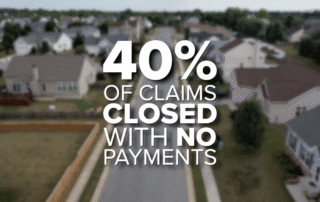
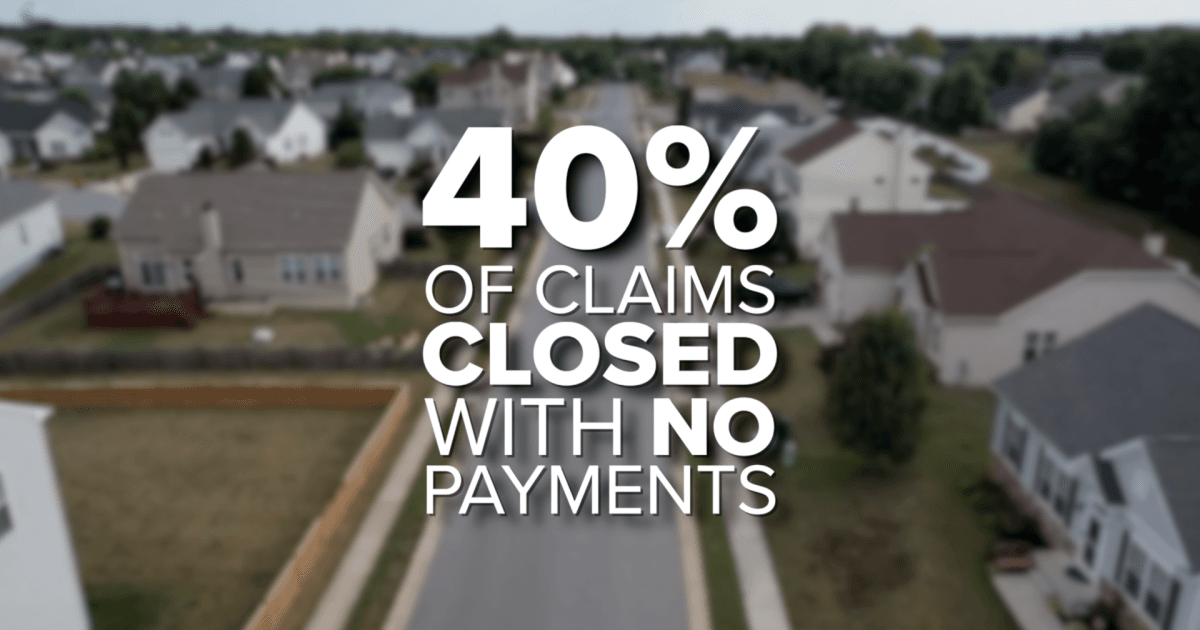
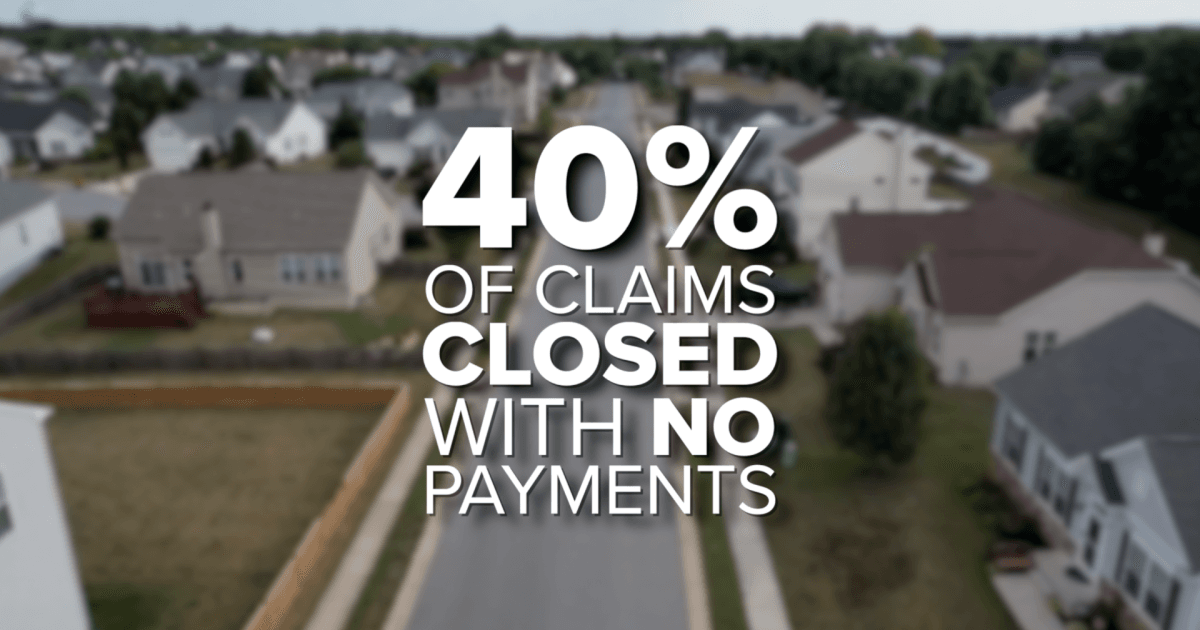
Florida’s average homeowner insurance premium has soared to $5,838 a year—almost $3,000 above the national average—pushing many residents to the financial brink. From tripled premiums to lowball claim payouts, homeowners are speaking out as frustration mounts. Some are even dropping coverage entirely. With more than 40% of claims closed without payment and policy cancellations at record levels, lawmakers are pushing for reforms, but political hurdles remain. The outcome could reshape Florida real estate, insurance, and mortgage markets for years to come.