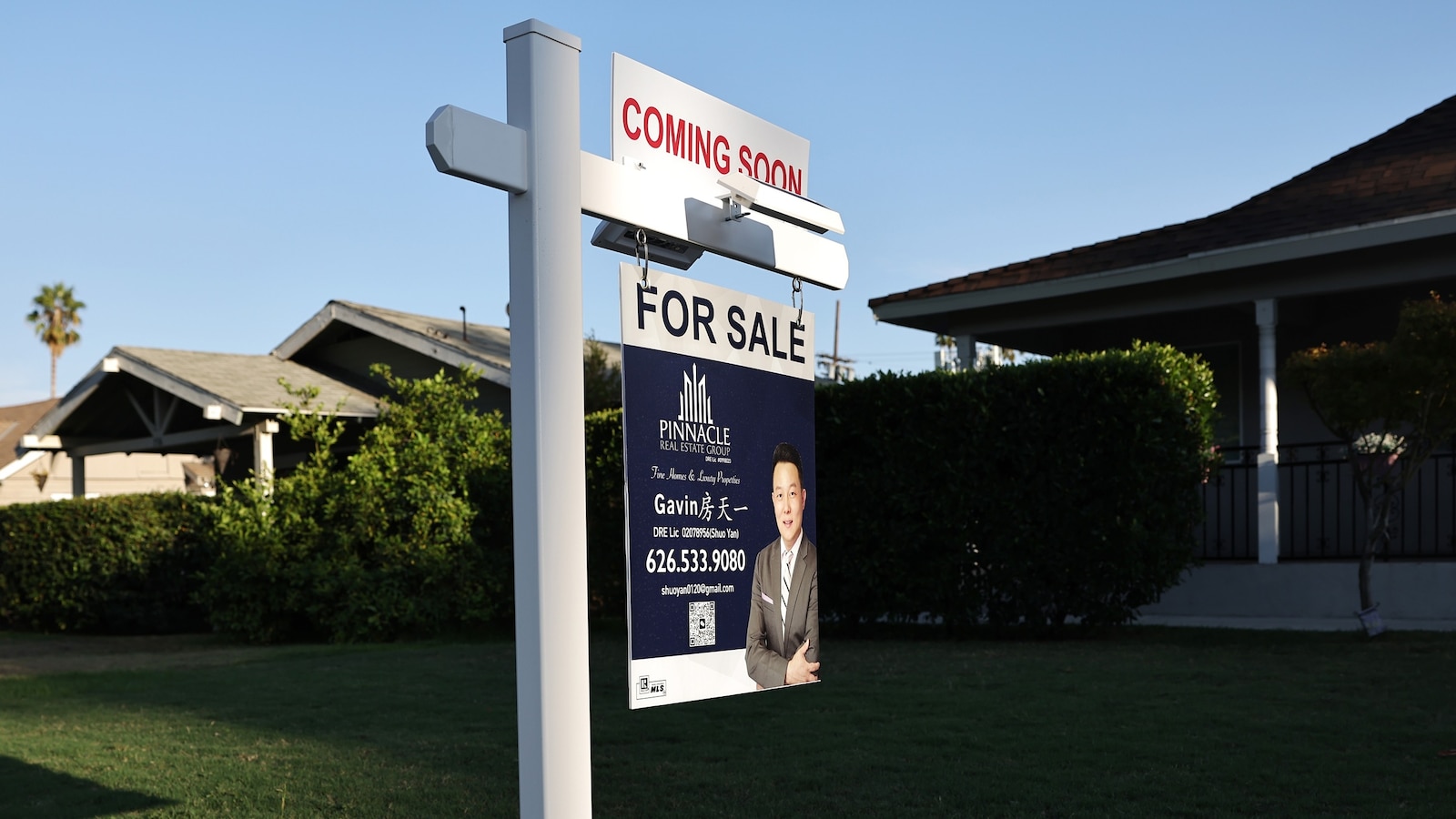
Visual representation of the deceleration in housing inventory growth

An Unexpected Slowdown in Housing Inventory Growth Amid Rising Mortgage Rates

Understanding the Puzzling Stagnation of Inventory Growth in the Housing Market

The housing market is currently witnessing an unusual trend – a deceleration in the growth of housing inventory, despite the rise in mortgage rates. This unexpected development has triggered concerns among potential buyers and industry experts. With mortgage rates climbing from their historic lows, the number of homes available for sale remains surprisingly stagnant. In this article, we will investigate the factors contributing to this unexpected stagnation in inventory growth and examine the implications of rising mortgage rates, limited new listings, and an increase in price cuts. We will also consider the impact of external elements such as labor reports and geopolitical risks on the housing market.

Rising Mortgage Rates and Their Impact

It is common for homeowners to be encouraged to sell their properties when mortgage rates rise. However, in the current market, this trend is not materializing as expected. Despite the increase in mortgage rates, there is a surprising stagnation in housing inventory growth, raising questions about the factors deterring homeowners from listing their properties.

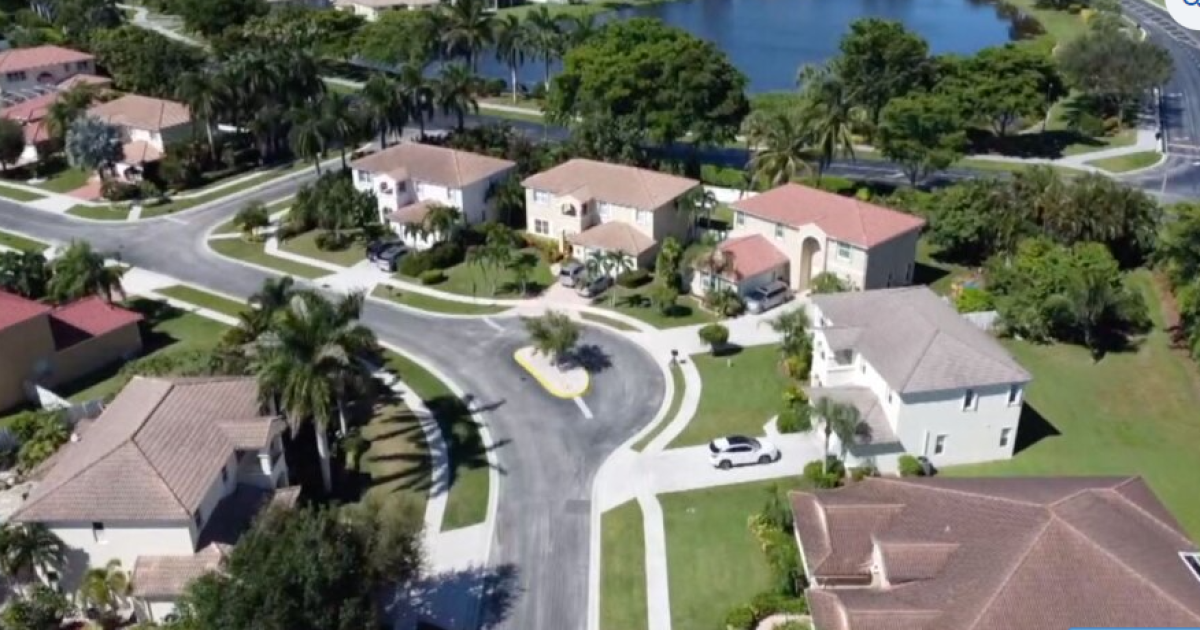
Visual representation of the deceleration in housing inventory growth

Scarcity of New Listings

One potential explanation for the stagnant growth in housing inventory is the scarcity of new listings. Homeowners are not listing their properties at the same rate as in previous years. This limited influx of new listings contributes to the stagnant inventory levels currently observed in the housing market.

Visual representation of the deceleration in housing inventory growth

Price Cuts on the Rise

Another factor contributing to the stagnant growth in inventory is the increase in price cuts. Sellers are being compelled to lower their prices to attract buyers in a more competitive market. While this may be advantageous for potential buyers, it also impacts overall inventory levels, as sellers are less inclined to list their properties at reduced prices.

Effects of Higher Mortgage Rates on Purchase Applications

Higher mortgage rates have also influenced the number of purchase applications. Potential buyers are becoming more cautious due to the higher monthly mortgage payments associated with increased rates. This caution affects the demand for homes and contributes to the slower growth in inventory currently observed.

External Factors and Their Influence

The housing market is not immune to external factors. Labor reports and geopolitical risks can instill uncertainty and affect buyer confidence. These external influences contribute to the slowdown in inventory growth, as potential buyers may be more hesitant to make significant financial decisions in an uncertain economic and political climate.

Looking Ahead: The Future of the Housing Market

The unexpected slowdown in housing inventory growth, despite higher mortgage rates, raises concerns about the future of the housing market. It remains to be seen how the market will evolve in the coming months and whether inventory levels will start to rise again. As potential buyers and industry experts continue to monitor the situation, it is crucial to stay informed and adapt to the changing dynamics of the housing market.

For those interested in pursuing a career in real estate or seeking to enhance their professional skills, Cameron Academy offers nationally recognized career education courses. Founded by industry expert Michael Cameron, Cameron Academy is committed to providing high-quality career education tailored to individual needs and goals. Our online courses offer flexibility and dedicated support, giving students the tools and confidence to succeed in their chosen career paths. Whether you’re seeking certification, pre-license courses, state-specific real estate education, or renewal processes, Cameron Academy provides the resources to help you achieve your goals.

Are You Ready to Take the Next Step?

Explore our online career education courses and gain the skills you need to succeed in the real estate industry. With Cameron Academy, you can learn at your own pace and on your own schedule. Our flexible online courses are designed to fit your lifestyle, allowing you to pursue your career goals without compromising your other commitments.

Whether you’re looking to start a new career or advance in your current role, Cameron Academy has the resources and expertise to help you achieve your goals. Join thousands of successful graduates who have achieved their potential with Cameron Academy.


Begin Your Journey Today

Visit our website to explore our courses and enroll now!

Explore Courses

More Articles

Getting licensed or staying ahead in your career can be a journey—but it doesn’t have to be overwhelming. Grab your favorite coffee or tea, take a moment to relax, and browse through our articles. Whether you’re just starting out or renewing your expertise, we’ve got tips, insights, and advice to keep you moving forward. Here’s to your success—one sip and one step at a time!

Commercial Real Estate 2026: A Stabilizing Market Finally Finds Its Rhythm

After a turbulent 2025 marked by stalled construction, tight capital, and economic uncertainty, commercial real estate is finally entering a period of stabilization and early recovery. Analysts across Colliers, Cushman & Wakefield, CoStar, KBW, and Deloitte agree that 2026 brings a “new equilibrium,” with capital markets waking up, vacancies peaking, and investment activity returning. Office, industrial, retail, multifamily, and data center sectors each tell a different story—some recovering, some booming, some transforming—but all show signs of renewed momentum. For investors and professionals, 2026 offers cautious yet promising opportunities as the industry regains its footing.

Five New Florida Laws Every Professional Should Know in 2026

Florida kicked off the new year with five impactful laws now in effect, influencing healthcare, insurance, animal welfare, and government employees statewide. From faster medical refund requirements to new pet‑insurance transparency rules and expanded benefits for state workers, these updates are already reshaping daily life and professional practices. Whether you work in real estate, insurance, healthcare, or any state‑licensed field, staying informed on these changes is essential as regulations continue to shift rapidly across Florida.

Commercial Real Estate in 2026 Shows Clear Signs of Stabilization and Recovery

The commercial real estate market is entering 2026 with renewed momentum and long‑awaited signs of stability. Major research firms report a “new equilibrium” forming across asset classes, supported by lower interest rates, easing lending conditions, and returning investor confidence. Office vacancies are projected to improve, industrial demand remains strong despite reduced construction, and data centers continue to dominate growth. With capital markets reawakening and REITs poised for a potential breakout year, professionals who stay informed and expand their skill sets could find 2026 filled with fresh opportunity.

Mortgage Rates Drop to 15‑Month Low as 2026 Housing Market Shows Signs of Thawing

Mortgage rates have fallen to their lowest point since 2024, giving homebuyers a much‑needed break as 2026 begins. The average 30‑year fixed rate now sits near 6.12% to 6.15%, driven by multiple Fed rate cuts and cooling economic signals. While lower rates are boosting buyer optimism, tight inventory and the lingering lock‑in effect continue to challenge the market. This shift may open a key opportunity window for buyers— and for real estate and mortgage professionals looking to stay ahead of rapid industry changes.

Florida’s Great Tax Shake-Up: The 2026 Property Tax Overhaul That Could Reshape Homeownership

Florida is gearing up for what could be its biggest property tax transformation in decades. With state leaders, including Gov. Ron DeSantis, exploring ways to reduce or even eliminate property taxes as early as 2026, homeowners and real estate professionals are bracing for major changes. While supporters argue that Florida can cut back the nearly $60 billion in annual property tax revenue without harming essential services, local officials warn the move could jeopardize police, fire, EMS, and community programs. As the debate intensifies heading into the 2026 legislative session, the future of Florida’s housing affordability and municipal funding hangs in the balance.

New Florida Laws Taking Effect January 1: Key 2026 Updates Every Professional Should Know

Florida is starting 2026 with a slate of major new laws impacting health care, insurance, real estate, consumer protection, and public safety. From free breast‑cancer diagnostic exams for state employees to new transparency rules for condo associations and stricter regulations on pet insurance, these changes will influence professionals across multiple industries. Whether you work in real estate, insurance, health services, or public policy, understanding these updates will help you stay compliant and ahead of Florida’s fast‑evolving regulatory landscape.