
Analyzing Mortgage Rate Trends in 2024: A Historical Perspective


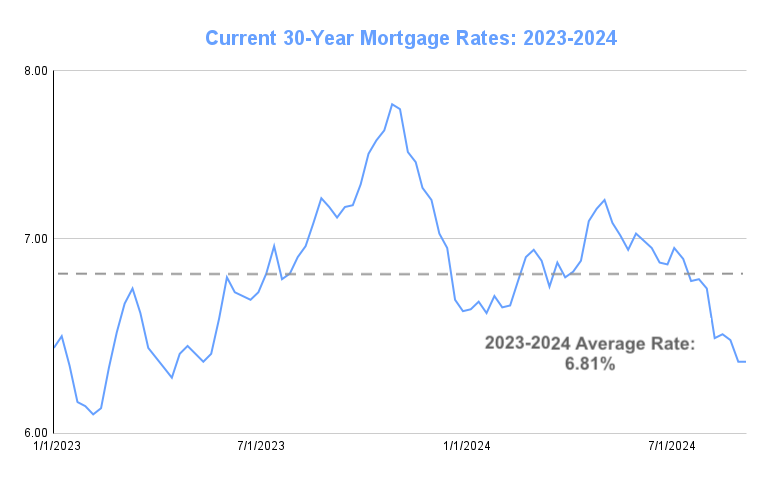
The past few years have presented a challenging landscape for homebuyers, with both mortgage rates and home prices rising sharply. However, recent trends suggest a potential easing of this financial squeeze. As reported by The Mortgage Reports, mortgage rates have been on a gradual decline, raising the question of whether this trend will continue or reverse.
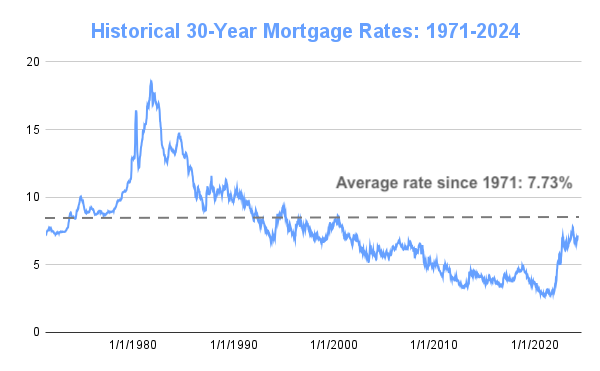
Historical 30-year mortgage rates chart

Current Landscape and Historical Context


With rates now in the low 6% range, a recent 50-basis-point rate cut by the Federal Reserve has sparked optimism among prospective buyers. Historically, mortgage rates have fluctuated significantly, with Freddie Mac data showing a long-term average of 7.73% for 30-year fixed-rate mortgages since 1971.
Current 30-year mortgage rates chart

Notable Historical Events


  • 1981: The all-time high for mortgage rates, with averages peaking at 16.63%.
  • 2008: The mortgage slump, with rates at 6.03% amidst the financial crisis.
  • 2021: Record-low rates, reaching 2.65% due to pandemic-induced Federal Reserve policies.

The Road Ahead


The Federal Reserve’s recent actions and anticipated future cuts could further influence mortgage rates. Experts predict that rates might fall to between 5.5% and 6.0% by the end of next year, providing potential relief for homebuyers. However, with economic conditions remaining unpredictable, borrowers are advised to focus on their financial readiness rather than attempting to time the market.
For those exploring their mortgage options, understanding the factors affecting rates—such as credit score, down payment, and loan type—is crucial. Personalized rates often diverge from the average, offering opportunities for savvy borrowers to secure favorable terms.

Conclusion


As the housing market navigates these evolving conditions, staying informed about mortgage rate trends and historical context is essential. For more detailed insights, refer to the original article on The Mortgage Reports.

More Articles

Getting licensed or staying ahead in your career can be a journey—but it doesn’t have to be overwhelming. Grab your favorite coffee or tea, take a moment to relax, and browse through our articles. Whether you’re just starting out or renewing your expertise, we’ve got tips, insights, and advice to keep you moving forward. Here’s to your success—one sip and one step at a time!

Artificial Intelligence in Diagnostics: A Revolution in Healthcare

The global market for artificial intelligence in diagnostics is poised for remarkable growth, with projections estimating it to reach USD 7.3 billion by 2032.

By |December 10, 2024|Categories: Article, Artificial Intelligence, Healthcare|Tags: , |0 Comments

Revolutionizing Medical Education with Extended Reality

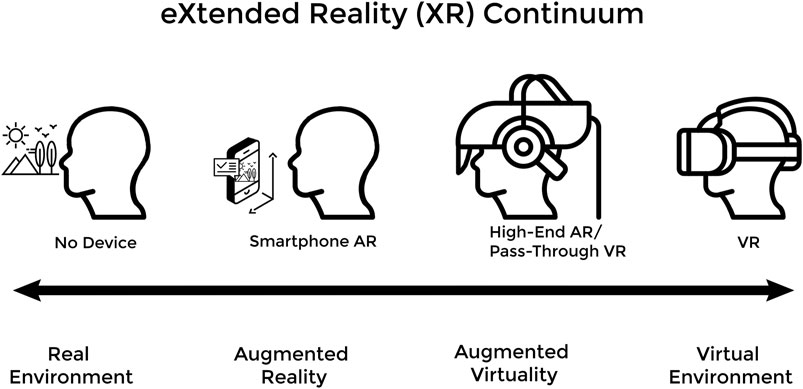
In the ever-evolving landscape of medical education, a new player has emerged, promising to revolutionize the way future doctors are trained. The integration of eXtended Reality (XR) technologies is reshaping the educational landscape by addressing the limitations of traditional methods.

Genetic Testing: A New Dawn in Healthcare

Genetic testing represents more than just a scientific advancement; it signifies a fundamental shift in how we approach health and wellness.

Sustainable Architecture: Blending Innovation with Ecological Responsibility

The journey toward sustainable architecture is ongoing, with each project serving as a beacon of what's achievable when creativity meets ecological awareness.

By |December 9, 2024|Categories: Architecture, Article, Sustainability|Tags: |0 Comments

AI in Clinical and Molecular Diagnostics: A Market on the Rise

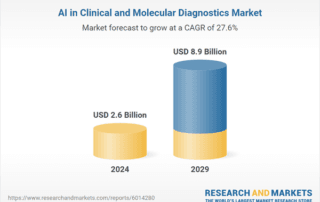
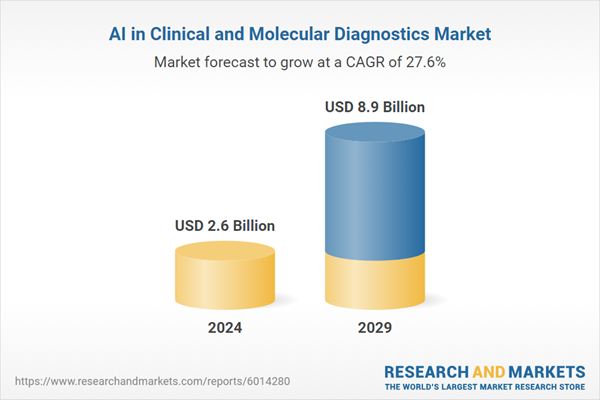
AI in Clinical and Molecular Diagnostics Market is set to experience remarkable growth, projected to surge from USD 2.6 billion in 2024 to USD 8.9 billion by 2029. This growth is driven by the integration of advanced AI technologies such as machine learning and deep learning into traditional diagnostic methodologies like imaging, genomics, and laboratory testing.

AI: A Revolution in Healthcare’s Future

AI is not a distant dream but a present reality, already integrated into everyday life through virtual assistants like Alexa and Siri. AI shows promise in enhancing medical accuracy, such as in predicting mesothelioma survival and improving colonoscopy accuracy, it is not intended to replace healthcare professionals.