
Are Gen Z Really Giving Up on Homeownership? A New Look at the Data

Young professional working at a computer

According to new research highlighted by Fortune, many younger Americans are reaching a breaking point. With housing affordability sinking and the average first-time buyer age hitting 40, a significant portion of Gen Z is beginning to believe they may never own a home at all.

In studies published by researchers from Northwestern University and the University of Chicago, young adults are showing three major behavioral shifts: they’re saving less, working less, and taking on riskier investments—largely because the path to homeownership feels increasingly unattainable.

“No matter how hard I work, I will never be able to afford a home I really love.” — 46% of Gen Z respondents, Harris Poll

1. Spending More Than They Save

Research indicates that when rising home prices push ownership out of reach, many young renters stop saving for a house altogether. Instead, they redirect savings toward lifestyle spending—what some call “doomspending.” Nearly half of Gen Z doesn’t have an emergency fund, and 27% hold more debt than savings.

Some expect to inherit wealth from the massive $124 trillion transfer occurring over the coming decades, though surveys show most won’t receive nearly as much as they anticipate.

2. Rethinking Work Itself

The study also found a measurable drop in work effort among Gen Z renters. When the reward (buying a home someday) feels impossible, motivation declines. Renters were nearly twice as likely as homeowners to report reduced effort at work.

However, economist and creator Kyla Scanlon offers a different interpretation: it’s not that Gen Z doesn’t want to work—it’s that they no longer believe in doing things “the way they’ve always been done.”

3. Turning to Risky Investments

With traditional wealth-building paths like homeownership feeling blocked, many young adults are turning toward higher-risk assets. Cryptocurrencies, speculative investments, and alternative financial trends are more common among Gen Z than retirement accounts.

Researchers explain that when homeownership becomes unrealistic, young people perceive they have “less to lose,” which makes riskier behavior feel more acceptable. Financial experts caution that taking interest in personal finance is good—so long as risk and reward are understood.

What This Means for the Future of Real Estate

For Florida’s real estate industry—and licensing fields across the nation—these trends are reshaping the future of buyers, renters, and professionals alike. As affordability challenges persist, more Gen Z professionals may enter real estate careers to better understand the market and secure financial stability.

At Cameron Academy, we’ve seen a rising number of young professionals pursuing real estate licenses, mortgage certifications, and finance education to gain control over their financial futures. Whether affordability improves or not, knowledge remains one of the few assets no market can devalue.

Explore real estate pathways, licensing education, and career-boosting courses at Cameron Academy—designed for the professionals shaping tomorrow’s market.

For the full deep-dive and original reporting, visit Fortune’s original article.

More Articles

Getting licensed or staying ahead in your career can be a journey—but it doesn’t have to be overwhelming. Grab your favorite coffee or tea, take a moment to relax, and browse through our articles. Whether you’re just starting out or renewing your expertise, we’ve got tips, insights, and advice to keep you moving forward. Here’s to your success—one sip and one step at a time!

2025 Commercial Real Estate Outlook: Navigating a New Era

The commercial real estate landscape is on the brink of transformation as leaders seek to navigate the challenges of recent years and position their organizations for future opportunities.

The Emerging Mental Health Crisis Among Healthcare Workers During the COVID-19 Pandemic

The pandemic has ushered in a wave of mental health challenges that affect healthcare workers profoundly. From the onset of COVID-19, these professionals have been at the forefront, facing immense pressure, long hours, and the constant fear of exposure.

By |December 18, 2024|Categories: Article, Healthcare Workers, Mental Health|Tags: , |0 Comments

Ethical Concerns of Large Language Models in Healthcare

Exploring the dual nature of LLMs offers substantial benefits in healthcare but also raises significant ethical concerns, underscoring the need for well-defined guidelines and human oversight.

The Role of Wearable Devices in Chronic Disease Monitoring and Patient Care: A Comprehensive Review

Wearable devices have become integral in managing chronic conditions by providing continuous health data, empowering patients and healthcare professionals with insights that were previously unattainable.

AI Training Mandates: Navigating Legal Waters in Dentistry

The integration of artificial intelligence (AI) into dental practices is more than a technological trend; it represents a seismic shift in the industry. This transformation is reshaping skill sets and prompting a thorough examination of legal and ethical implications.

By |December 17, 2024|Categories: Article, Legal, Technology|Tags: , |0 Comments

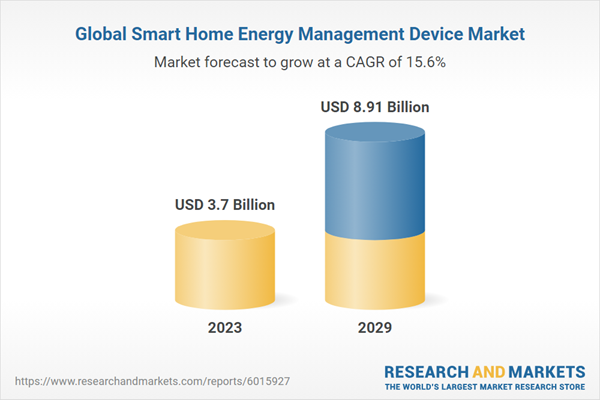
Smart Home Energy Management Devices: A Market Poised for Growth

The Global Smart Home Energy Management Device Market is on the brink of a significant transformation, driven by escalating demands for energy-efficient solutions and the increasing adoption of smart home technologies.