Are Gen Z Really Giving Up on Homeownership? A New Look at the Data
According to new research highlighted by Fortune, many younger Americans are reaching a breaking point. With housing affordability sinking and the average first-time buyer age hitting 40, a significant portion of Gen Z is beginning to believe they may never own a home at all.
In studies published by researchers from Northwestern University and the University of Chicago, young adults are showing three major behavioral shifts: they’re saving less, working less, and taking on riskier investments—largely because the path to homeownership feels increasingly unattainable.
“No matter how hard I work, I will never be able to afford a home I really love.” — 46% of Gen Z respondents, Harris Poll
1. Spending More Than They Save
Research indicates that when rising home prices push ownership out of reach, many young renters stop saving for a house altogether. Instead, they redirect savings toward lifestyle spending—what some call “doomspending.” Nearly half of Gen Z doesn’t have an emergency fund, and 27% hold more debt than savings.
Some expect to inherit wealth from the massive $124 trillion transfer occurring over the coming decades, though surveys show most won’t receive nearly as much as they anticipate.
2. Rethinking Work Itself
The study also found a measurable drop in work effort among Gen Z renters. When the reward (buying a home someday) feels impossible, motivation declines. Renters were nearly twice as likely as homeowners to report reduced effort at work.
However, economist and creator Kyla Scanlon offers a different interpretation: it’s not that Gen Z doesn’t want to work—it’s that they no longer believe in doing things “the way they’ve always been done.”
3. Turning to Risky Investments
With traditional wealth-building paths like homeownership feeling blocked, many young adults are turning toward higher-risk assets. Cryptocurrencies, speculative investments, and alternative financial trends are more common among Gen Z than retirement accounts.
Researchers explain that when homeownership becomes unrealistic, young people perceive they have “less to lose,” which makes riskier behavior feel more acceptable. Financial experts caution that taking interest in personal finance is good—so long as risk and reward are understood.
What This Means for the Future of Real Estate
For Florida’s real estate industry—and licensing fields across the nation—these trends are reshaping the future of buyers, renters, and professionals alike. As affordability challenges persist, more Gen Z professionals may enter real estate careers to better understand the market and secure financial stability.
At Cameron Academy, we’ve seen a rising number of young professionals pursuing real estate licenses, mortgage certifications, and finance education to gain control over their financial futures. Whether affordability improves or not, knowledge remains one of the few assets no market can devalue.
Explore real estate pathways, licensing education, and career-boosting courses at Cameron Academy—designed for the professionals shaping tomorrow’s market.
Getting licensed or staying ahead in your career can be a journey—but it doesn’t have to be overwhelming. Grab your favorite coffee or tea, take a moment to relax, and browse through our articles. Whether you’re just starting out or renewing your expertise, we’ve got tips, insights, and advice to keep you moving forward. Here’s to your success—one sip and one step at a time!
The Phoenix housing market continues to outperform the rest of the country, posting stronger sales, rising equity, and an influx of qualified buyers. With closed sales, pending sales, new listings, and median prices all trending upward, the Valley is outpacing national growth by a wide margin. City‑level data shows impressive strength across Scottsdale, Goodyear, Gilbert, Phoenix, and more—making 2025 a powerful year for agents, investors, and professionals watching the Arizona market.
With the 2026 FIFA World Cup and America’s 250th birthday celebrations on the horizon, the U.S. job market is gearing up for a surge across multiple industries. Seasonal, flexible, and part‑time roles are expected to rise—especially for workers 50+ who have struggled in a cooling labor market. From accounting and HR leadership to event staffing and delivery driving, major cities are preparing for increased hiring tied to tourism, infrastructure, and yearlong national celebrations. Many of these fast‑growing roles connect directly to licensing and certification pathways, giving professionals new chances to pivot or upskill through programs offered by Cameron Academy.
Florida is rolling out a new wave of laws on January 1, 2026 that will impact professionals in real estate, insurance, healthcare, education, and other regulated industries. From new insurance rules and healthcare billing requirements to condo association deadlines and statewide databases, these updates reshape compliance expectations across the state. Whether you work in property, finance, or public‑facing services, understanding these changes is essential for staying aligned with Florida’s evolving regulations.
Nearly every commercial real estate professional is expecting a stronger year ahead, with 97% predicting increased or stable activity in 2026, according to Avison Young’s latest outlook. Confidence has surged dramatically since mid‑2025 as strong sales, anticipated rate cuts, and improving fundamentals across key sectors signal that CRE recovery and growth may finally be taking hold.
Dallas‑Fort Worth is finishing 2025 as the nation’s top real estate and business powerhouse, fueled by corporate relocations, a dominant industrial sector, infrastructure megaprojects, and a rapidly evolving workforce landscape. From data center expansion to the launch of the DART Silver Line, the region continues to outpace national trends—while also confronting a growing demand for skilled professionals and licensed talent across construction, real estate, and technical fields.
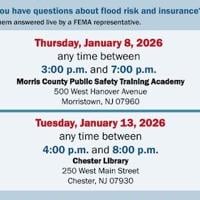
FEMA and the NJDEP have released revised preliminary flood maps for Morris County, reshaping how homeowners, real estate agents, insurers, and mortgage professionals assess flood risk. The updated FIRMs may shift properties into or out of higher‑risk zones, affecting insurance requirements, closing processes, and long‑term property values. With public review and appeals ahead, industry professionals are urged to study the changes now and prepare clients for potential impacts.