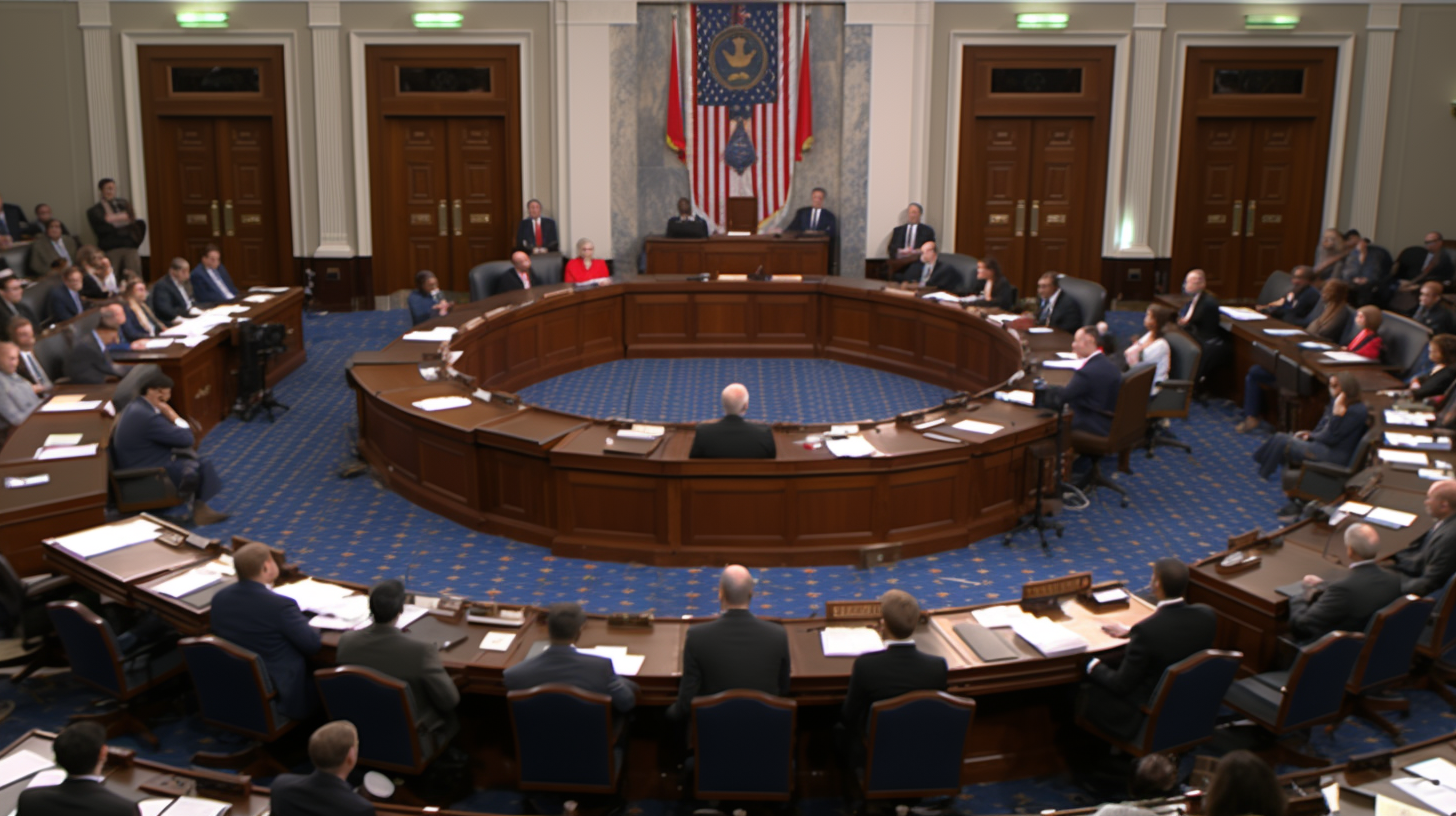
Are the Massive Realtor Settlements Truly Fair? Federal Judges Take a Closer Look
The real estate world is still buzzing after a panel of Eighth Circuit judges spent hours dissecting whether the National Association of Realtors’ historic antitrust settlements—and the related deals made by major brokerages—are truly fair to the millions of homebuyers and sellers they affect. This landmark moment is shaping what could become one of the most influential periods of structural change in modern real estate practice.
A Judicial Deep Dive Into Industry‑Shaking Settlements
At the center of the discussion were pleas from plaintiffs who believe the multimillion‑dollar settlements are not just unfair, but also improperly dismissive of homebuyers’ rights. Judge Lavenski R. Smith led the questioning, pressing attorneys to explain whether the settlements represent a true compromise or simply let powerful industry players walk away with minimal consequences.
“That’s what class action settlements typically involve,” Smith said, emphasizing that large settlements are designed to avoid “economic destruction” for defendants while still providing compensation.
The court reviewed challenges to agreements resolving claims that the NAR and major real estate brokers artificially inflated commissions nationwide—an issue that has been under intense scrutiny since a Missouri jury issued a staggering $1.8 billion verdict against NAR in 2023.
The Billion‑Dollar Background
After the 2023 verdict, NAR agreed to pay $418 million and revise several longstanding rules that shaped how commissions operate across the country. Major brokerages followed suit—Keller Williams settled for $70 million, while HomeServices of America, owned by Warren Buffett’s Berkshire Hathaway, contributed another $250 million.
These settlements were touted as historic, but many plaintiffs argue that sellers are receiving only “pennies on the dollar,” and that the deals ultimately fail to compensate millions of class members fairly.
Homebuyers Push Back
Perhaps the most heated debate came from homebuyers represented by James Mullis, who argued that inflated commissions directly impact them because they contribute to higher home prices. Mullis’ camp insists that their claims were unfairly dismissed and improperly released as part of the settlement.
“It completely writes off the value of the claims that we want to litigate,” attorney James R. Layton argued.
The judges pressed all sides for clarity, signaling that the final ruling could reshape expectations around fairness, compensation, and due process in large‑scale class actions involving real estate markets.
Whether you’re a seasoned agent, a new licensee, or someone preparing to enter the field, these legal shifts have real implications. A transformed commission landscape could rewrite scripts for buyer representation, listing strategies, pricing psychology, and brokerage operations nationwide—including right here in Florida.
Cameron Academy continues to follow these developments closely, ensuring our students and alumni receive the most relevant, up‑to‑date guidance for navigating an evolving industry. If you’re pursuing a real estate license or expanding your professional credentials, staying informed on changes like these is essential to staying competitive.
Tap to Explore More Real Estate Industry Updates
More Articles
Getting licensed or staying ahead in your career can be a journey—but it doesn’t have to be overwhelming. Grab your favorite coffee or tea, take a moment to relax, and browse through our articles. Whether you’re just starting out or renewing your expertise, we’ve got tips, insights, and advice to keep you moving forward. Here’s to your success—one sip and one step at a time!
The Real Estate Board of New York (REBNY) has announced a new policy requiring sellers to directly pay the buyer's agent, effective from January 1. This significant shift aims to enhance transparency and address potential conflicts of interest in real estate transactions. The policy comes amidst ongoing lawsuits related to commission sharing and allegations of unethical practices. The implementation of this policy is expected to impact the real estate industry significantly, with sellers needing to factor in the cost of the buyer's agent commission when pricing their properties.
In a significant development, the U.S. Senate has voted to block the implementation of the Consumer Financial Protection Bureau's (CFPB) small business lending rule. This decision has sparked a heated debate over the impact it may have on small businesses across the country. President Biden, in response, has threatened to veto the Senate's decision, emphasizing his commitment to fair lending practices and supporting small businesses. The CFPB's rule, implemented in October 2020, requires lenders to collect and report data on small business lending. This includes information on the race, sex, and ethnicity of borrowers, with the aim of identifying and addressing potential disparities in access to credit for minority-owned and women-owned small businesses. The Senate's decision to block the CFPB's rule has been celebrated by small business advocates and industry groups critical of the CFPB's regulatory approach. However, the implications of this decision remain uncertain, as President Biden's threatened veto looms large.
The world of real estate has recently been shaken by a wave of class-action commission lawsuits, sparking a contentious debate. These lawsuits demand scrutiny to understand their implications and validity. A primary counter-argument is the freedom of consumer choice. In today's digital age, potential buyers and sellers have access to a wealth of online resources, enabling them to undertake real estate transactions independently. Another critical factor is the negotiability of commissions in the real estate sector. Commission rates are not fixed, they are subject to negotiation between the agent and the client. This flexibility allows for open discussions, leading to mutually agreeable terms. Despite the emergence of discount brokerage firms, consumers continue to place their trust in traditional real estate agents. This preference stems not only from cost considerations but also from the value of expertise, guidance, and personalized service that agents offer. Real estate transactions are complex and often involve significant financial investments. Trusted agents provide invaluable insights, market knowledge, and negotiation skills, helping clients make informed decisions and navigate potential challenges confidently.
In the last two years, the housing market has seen a dramatic shift. Soaring mortgage rates and rising home prices have led to the fastest erosion in housing market affordability in modern history, with first-time homebuyers feeling the impact the most. The housing market has undergone significant changes over the past two years, leading to a substantial increase in the income required to purchase a median-priced home. According to recent data from Redfin, a homebuyer must now earn $114,627 to afford the typical U.S. home. This is a 15% increase from the previous year and more than 50% higher than pre-pandemic levels.
The housing market has shown remarkable resilience in the face of rising mortgage rates. Despite rates reaching 8%, new listings data remains steady, indicating a healthy supply of homes for sale. This stability is a positive sign for both buyers and sellers, demonstrating the strength of the housing market. Despite the increase in mortgage rates, sellers in the housing market have maintained their confidence. This confidence is reflected in the steady new listing data, as sellers continue to list their properties without hesitation. It indicates that sellers believe there is still strong demand from buyers and that the potential financial impact of higher mortgage rates does not outweigh the benefits of selling their homes.
The Real Estate Board of New York (REBNY) has introduced a groundbreaking requirement for sellers to directly compensate buyers' agents. This significant change has the potential to transform the real estate industry, eliminating conflicts of interest and promoting a more client-centric approach. This shift in the compensation landscape aims to create a more transparent and trustworthy environment for buyers. Moreover, this shift towards a client-centric approach aligns with the mission and values of Cameron Academy. As a leading provider of real estate education, Cameron Academy is committed to empowering professionals to navigate the evolving industry landscape and prioritize the best interests of their clients.