Are the Massive Realtor Settlements Truly Fair? Federal Judges Take a Closer Look
The real estate world is still buzzing after a panel of Eighth Circuit judges spent hours dissecting whether the National Association of Realtors’ historic antitrust settlements—and the related deals made by major brokerages—are truly fair to the millions of homebuyers and sellers they affect. This landmark moment is shaping what could become one of the most influential periods of structural change in modern real estate practice.
A Judicial Deep Dive Into Industry‑Shaking Settlements
At the center of the discussion were pleas from plaintiffs who believe the multimillion‑dollar settlements are not just unfair, but also improperly dismissive of homebuyers’ rights. Judge Lavenski R. Smith led the questioning, pressing attorneys to explain whether the settlements represent a true compromise or simply let powerful industry players walk away with minimal consequences.
“That’s what class action settlements typically involve,” Smith said, emphasizing that large settlements are designed to avoid “economic destruction” for defendants while still providing compensation.
The court reviewed challenges to agreements resolving claims that the NAR and major real estate brokers artificially inflated commissions nationwide—an issue that has been under intense scrutiny since a Missouri jury issued a staggering $1.8 billion verdict against NAR in 2023.
The Billion‑Dollar Background
After the 2023 verdict, NAR agreed to pay $418 million and revise several longstanding rules that shaped how commissions operate across the country. Major brokerages followed suit—Keller Williams settled for $70 million, while HomeServices of America, owned by Warren Buffett’s Berkshire Hathaway, contributed another $250 million.
These settlements were touted as historic, but many plaintiffs argue that sellers are receiving only “pennies on the dollar,” and that the deals ultimately fail to compensate millions of class members fairly.
Homebuyers Push Back
Perhaps the most heated debate came from homebuyers represented by James Mullis, who argued that inflated commissions directly impact them because they contribute to higher home prices. Mullis’ camp insists that their claims were unfairly dismissed and improperly released as part of the settlement.
“It completely writes off the value of the claims that we want to litigate,” attorney James R. Layton argued.
The judges pressed all sides for clarity, signaling that the final ruling could reshape expectations around fairness, compensation, and due process in large‑scale class actions involving real estate markets.
Whether you’re a seasoned agent, a new licensee, or someone preparing to enter the field, these legal shifts have real implications. A transformed commission landscape could rewrite scripts for buyer representation, listing strategies, pricing psychology, and brokerage operations nationwide—including right here in Florida.
Cameron Academy continues to follow these developments closely, ensuring our students and alumni receive the most relevant, up‑to‑date guidance for navigating an evolving industry. If you’re pursuing a real estate license or expanding your professional credentials, staying informed on changes like these is essential to staying competitive.
Tap to Explore More Real Estate Industry Updates
More Articles
Getting licensed or staying ahead in your career can be a journey—but it doesn’t have to be overwhelming. Grab your favorite coffee or tea, take a moment to relax, and browse through our articles. Whether you’re just starting out or renewing your expertise, we’ve got tips, insights, and advice to keep you moving forward. Here’s to your success—one sip and one step at a time!
The title insurance industry is entering 2026 with a renewed focus on technology, operational efficiency, and stronger agent support after years of volatility. Leaders from major underwriters report rising transaction activity, improved affordability, and a surge in automation and fraud‑prevention tools—signs that smarter systems and better training will define the next wave of growth.
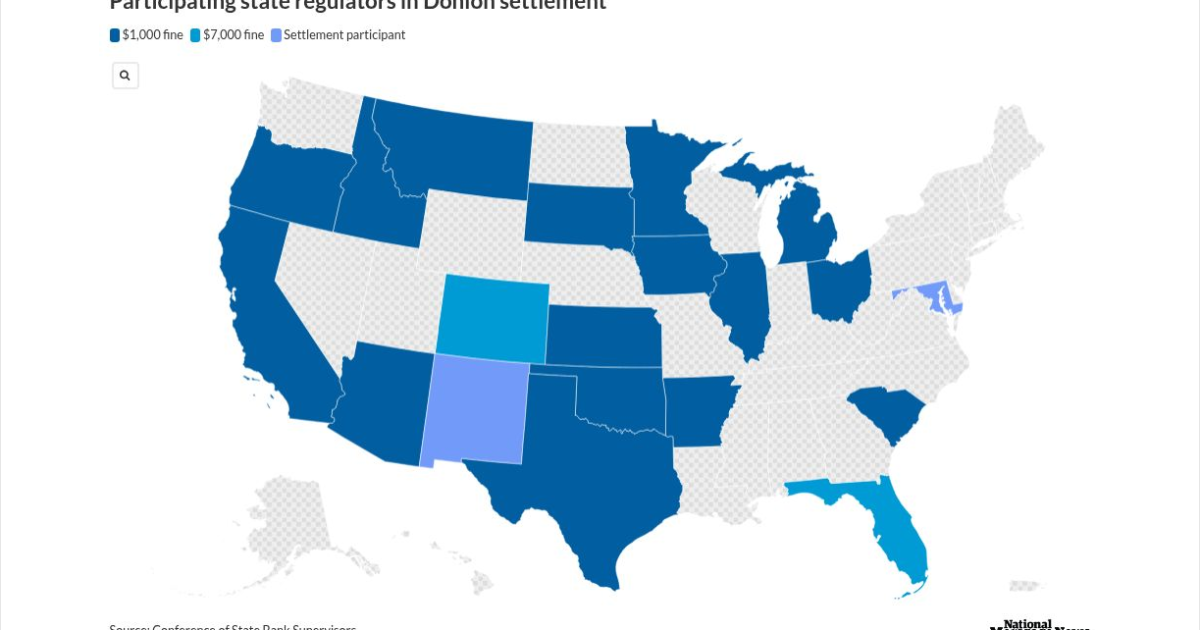
A multistate crackdown has sent shockwaves through the mortgage industry as Patrick Terrance Donlon, CEO of Trusted American Mortgage, accepted a sweeping settlement that bans him from working as a mortgage loan originator in 21 states—19 of them permanently. Regulators say Donlon had another individual complete his mandatory licensing and continuing‑education courses, a violation that triggered a coordinated investigation and a $31,000 penalty. The case underscores regulators’ growing intolerance for education fraud and serves as a sharp reminder to industry professionals: cutting corners on licensing can end careers.
Florida’s once‑booming housing market is cooling fast as rising insurance premiums, increasing foreclosures, and expanding flood zones push buyers to back out of deals and force sellers to cut prices. With insurance now adding thousands to annual housing costs, professionals across real estate, mortgage, and insurance are navigating a dramatically shifting landscape that’s redefining affordability in the Sunshine State.
Florida begins 2026 with a wave of more than 250 new laws now in effect, impacting healthcare, insurance, real estate, and consumer protections statewide. From free breast cancer screenings for state employees to tighter pet insurance regulations, mandatory healthcare refund rules, enhanced animal‑cruelty penalties, and new condo‑management requirements, these updates carry major implications for professionals navigating Florida’s evolving regulatory landscape.
Florida’s barrier islands may offer postcard-perfect beaches and soaring real estate demand, but they’re also some of the most fragile and costly places to build in the United States. With 765,000 residents living on land that shifts, sinks, and takes the brunt of every major hurricane, the financial and insurance risks are accelerating fast. From billion‑dollar beach rebuilds to towers settling into the sand, today’s coastal development challenges are reshaping conversations around property values, disclosure, and long‑term resilience. For real estate professionals, understanding these risks isn’t just smart — it’s becoming essential.
A Cedar City development is turning heads with its fresh approach to affordability. The team behind Temple View Commons is delivering luxury‑inspired twin homes at prices below the local median by using a small, hands‑on staff and cutting traditional costs like realtor commissions. In a tight Utah housing market where inventory is scarce and prices remain high, their strategy offers a realistic path to homeownership without sacrificing high‑end finishes.


 Title Insurance Leaders Double Down on Tech and Efficiency to Drive 2026 Market Momentum Gallery