Are the Massive Realtor Settlements Truly Fair? Federal Judges Take a Closer Look
The real estate world is still buzzing after a panel of Eighth Circuit judges spent hours dissecting whether the National Association of Realtors’ historic antitrust settlements—and the related deals made by major brokerages—are truly fair to the millions of homebuyers and sellers they affect. This landmark moment is shaping what could become one of the most influential periods of structural change in modern real estate practice.
A Judicial Deep Dive Into Industry‑Shaking Settlements
At the center of the discussion were pleas from plaintiffs who believe the multimillion‑dollar settlements are not just unfair, but also improperly dismissive of homebuyers’ rights. Judge Lavenski R. Smith led the questioning, pressing attorneys to explain whether the settlements represent a true compromise or simply let powerful industry players walk away with minimal consequences.
“That’s what class action settlements typically involve,” Smith said, emphasizing that large settlements are designed to avoid “economic destruction” for defendants while still providing compensation.
The court reviewed challenges to agreements resolving claims that the NAR and major real estate brokers artificially inflated commissions nationwide—an issue that has been under intense scrutiny since a Missouri jury issued a staggering $1.8 billion verdict against NAR in 2023.
The Billion‑Dollar Background
After the 2023 verdict, NAR agreed to pay $418 million and revise several longstanding rules that shaped how commissions operate across the country. Major brokerages followed suit—Keller Williams settled for $70 million, while HomeServices of America, owned by Warren Buffett’s Berkshire Hathaway, contributed another $250 million.
These settlements were touted as historic, but many plaintiffs argue that sellers are receiving only “pennies on the dollar,” and that the deals ultimately fail to compensate millions of class members fairly.
Homebuyers Push Back
Perhaps the most heated debate came from homebuyers represented by James Mullis, who argued that inflated commissions directly impact them because they contribute to higher home prices. Mullis’ camp insists that their claims were unfairly dismissed and improperly released as part of the settlement.
“It completely writes off the value of the claims that we want to litigate,” attorney James R. Layton argued.
The judges pressed all sides for clarity, signaling that the final ruling could reshape expectations around fairness, compensation, and due process in large‑scale class actions involving real estate markets.
Whether you’re a seasoned agent, a new licensee, or someone preparing to enter the field, these legal shifts have real implications. A transformed commission landscape could rewrite scripts for buyer representation, listing strategies, pricing psychology, and brokerage operations nationwide—including right here in Florida.
Cameron Academy continues to follow these developments closely, ensuring our students and alumni receive the most relevant, up‑to‑date guidance for navigating an evolving industry. If you’re pursuing a real estate license or expanding your professional credentials, staying informed on changes like these is essential to staying competitive.
Tap to Explore More Real Estate Industry Updates
More Articles
Getting licensed or staying ahead in your career can be a journey—but it doesn’t have to be overwhelming. Grab your favorite coffee or tea, take a moment to relax, and browse through our articles. Whether you’re just starting out or renewing your expertise, we’ve got tips, insights, and advice to keep you moving forward. Here’s to your success—one sip and one step at a time!
Local elections across major U.S. cities have kicked off a wave of policy changes that could reshape development costs, rental income, and investment strategies heading into 2026. From NYC’s aggressive tenant‑protection agenda to Chicago’s sustainability push, Miami’s political uncertainty, and Boston’s steady zoning overhaul, the post‑election environment is redefining how real estate professionals, investors, and lenders should prepare for the year ahead.
Insurance carriers are rapidly rolling out AI-related exclusions that strip coverage from claims involving AI tools, automated decision‑making, or generative platforms like ChatGPT and Midjourney. With firms like Berkley and Hamilton introducing sweeping “absolute” and generative‑AI‑specific exclusions, professionals in real estate, mortgage, insurance, and finance now face new liability gaps. As AI becomes unavoidable in everyday work, understanding these exclusions is essential for protecting your career and staying compliant in a fast‑changing risk environment.
Proptech startup Venn has raised a $52 million Series B to unify the entire renting lifecycle into one intelligent platform, replacing over a dozen traditional systems and serving more than half a million tenants. As AI‑powered tools like Venn rapidly reshape property operations, real estate professionals — especially in fast‑moving markets like Florida — will need stronger education and tech‑savvy skills to stay competitive.
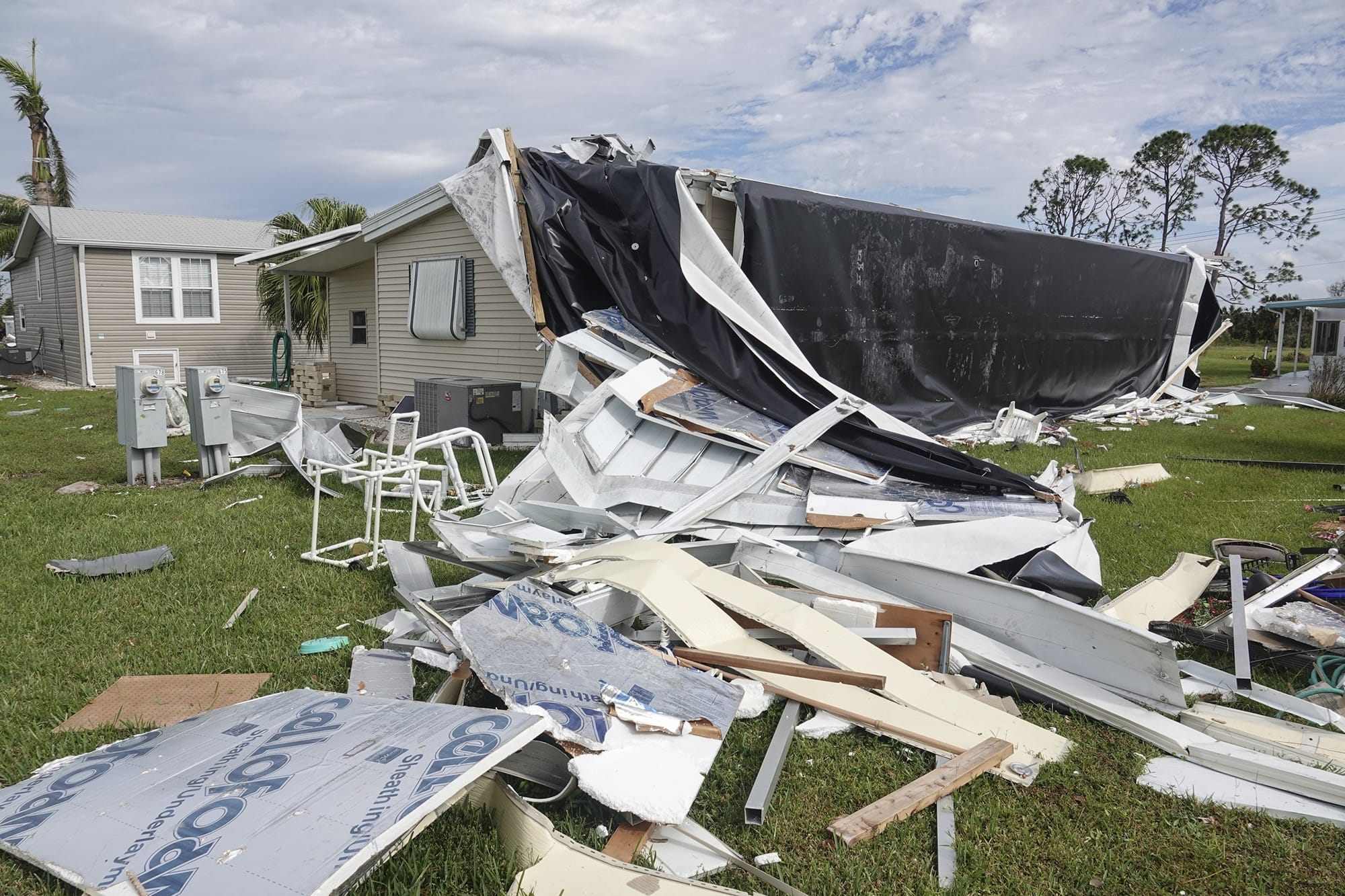
Florida’s Gulf Coast is undergoing a dramatic transformation as soaring insurance premiums, costly construction requirements, and the long shadow of Hurricane Ian force middle‑class families, workers, and longtime residents out of communities they once anchored. With premiums topping $5,700 a year — and many paying far more — Realtors warn of looming foreclosures, renters face steep increases, and entire neighborhoods are being rebuilt for wealthier newcomers. This mounting crisis is reshaping the state’s real estate landscape and leaving professionals scrambling to adapt.
Economic uncertainty, rapid tech advances and shifting population patterns are setting the stage for a pivotal year in commercial real estate. New findings from the Counselors of Real Estate, presented at NAR NXT, outline ten major forces reshaping strategy, investment and opportunity in 2026—from policy impacts and portfolio risk to AI adoption, capital flow changes, housing attainability and demographic shifts. This outlook offers clarity and caution for professionals across real estate, mortgage, finance and related fields.
Florida’s home insurance crisis is back in the spotlight as new reforms appear to be repeating decades‑old mistakes. Despite efforts to depopulate Citizens and attract private insurers, many of the companies taking over policies have ties to past insolvencies. Critics say weak oversight, generous ratings, and political influence are allowing unstable insurers to thrive while homeowners pay more for less protection. Experts warn that without transparent ratings, real accountability, and unified regulation, Florida’s insurance market will remain vulnerable—putting property values, lending, and the broader real estate industry at risk.