In the ever-evolving landscape of technology, the question of whether we are taking artificial intelligence (A.I.) seriously enough looms large. In a thought-provoking piece by The New Yorker, author Joshua Rothman delves into this pressing issue. The article, titled “Are We Taking A.I. Seriously Enough?” offers a comprehensive exploration of the current state and future trajectory of A.I., as outlined in Dwarkesh Patel’s book, The Scaling Era: An Oral History of AI, 2019-2025.


Rothman reflects on the rapid pace of A.I. developments, emphasizing the need for a diverse range of perspectives in discussions surrounding this transformative technology. The article highlights the potential impacts of A.I. on various sectors, from real estate to military competition, underscoring the importance of societal adaptation and regulation.


One particularly intriguing anecdote involves Rothman’s personal experience with OpenAI’s ChatGPT 4.5. In a bid to assist his mother-in-law with a real estate dilemma, Rothman turned to the A.I. model for advice. The results were both impressive and unsettling, as the A.I. provided a detailed analysis in mere minutes, prompting Rothman to question the implications of A.I.’s growing influence.


As Rothman notes, the A.I. hype has given rise to two types of anti-hype:

  • The first suggests that A.I. will soon plateau.
  • The second posits that the world’s inherent complexity will slow the integration of A.I. into society.

Both perspectives offer a comforting “wait-and-see” attitude, but Rothman warns that such complacency may be misguided.


In a world where A.I. can already perform tasks at a Ph.D. level, the potential for further advancements is undeniable. Rothman calls for a new set of human values to guide the development and application of A.I., urging society to engage in meaningful debates about what we want from this technology and what we don’t.


The article serves as a timely reminder that while A.I. holds immense promise, it also poses significant challenges. As Rothman aptly concludes, “Artificial intelligence will affect us all, but a politics of A.I. has yet to materialize.” The future of A.I. is not just a technical matter but a deeply political one, demanding our attention and action.


More Articles

Getting licensed or staying ahead in your career can be a journey—but it doesn’t have to be overwhelming. Grab your favorite coffee or tea, take a moment to relax, and browse through our articles. Whether you’re just starting out or renewing your expertise, we’ve got tips, insights, and advice to keep you moving forward. Here’s to your success—one sip and one step at a time!

The 2026 CRE Tech Revolution: How Data, Automation, and AI Are Rewriting Commercial Real Estate

Commercial real estate is entering its most transformative era yet. In 2026, success hinges on mastering predictive analytics, smart‑building automation, and sustainability tech—tools that now determine everything from ROI forecasting to tenant retention. As PropTech evolves into an interconnected ecosystem of AI, automation, and ESG‑driven systems, CRE professionals who embrace this shift will lead the next generation of market innovation, while those who rely on traditional instincts risk being left behind.

Florida’s Mobile Home Rent Shake‑Up: New Bills Aim to Rein In Rent Hikes and Boost Tenant Protections

Florida lawmakers are pushing major reforms that could dramatically change life for more than 800,000 mobile home park residents. New bills would force park owners to justify rent increases, expand relocation assistance, strengthen tenant rights, and add penalties for reducing amenities without lowering rent. With many residents facing steep price jumps on fixed incomes, the proposed laws mark one of the state’s biggest moves toward accountability and transparency in decades — and real estate professionals will need to stay informed as the changes progress.

Mortgage Refinance Surge Faces Sudden Reversal as Rates Jump Again

Refinance activity exploded for a second straight week as mortgage rates briefly dipped to their lowest levels since late 2024. Homeowners rushed to lock in savings, pushing refinance applications to nearly triple last year’s volume. But the momentum may be short‑lived. Early this week, rates spiked again as markets reacted to new tariff concerns and global uncertainty, erasing much of the recent progress. Both refinance and purchase demand remain strong, but volatility continues to challenge borrowers and professionals across the real estate and mortgage sectors.

Welcome to the Age of the AI Real Estate Agent

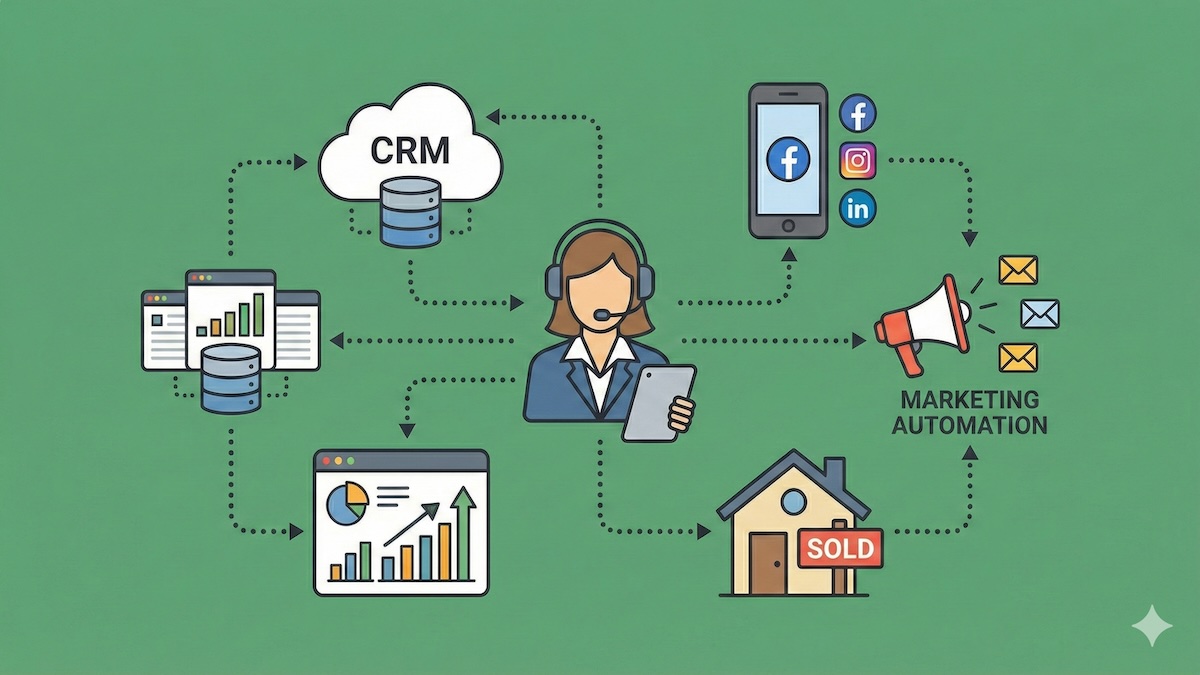
The real estate industry has officially entered its AI era, with agents across the country adopting advanced tools that streamline workflow, boost productivity, and transform daily operations. According to a new HousingWire report, tasks that once took hours now take minutes, agents are seeing up to 40 percent productivity growth, and unified AI platforms are helping brokerages deliver faster, smarter, and more personalized marketing than ever before.

Hawai‘i’s 2026 Economic Crossroads: A State in Transition with Opportunities for Professionals

Hawai‘i enters 2026 with a mix of strength and vulnerability. Construction is booming with billions in federal and military projects, yet tourism—the backbone of the local economy—is slowing at a difficult moment. Real estate shows early signs of revival as mortgage rates fall, while health care, small business, and banking navigate shifting federal funding and economic uncertainty. For professionals across real estate, finance, construction, and other licensed industries, Hawai‘i offers a clear preview of the economic pressures and emerging opportunities taking shape nationwide.

Florida’s Insurance Crisis Finally Shows Relief as Lawmakers Push for More Consumer‑Focused Reforms

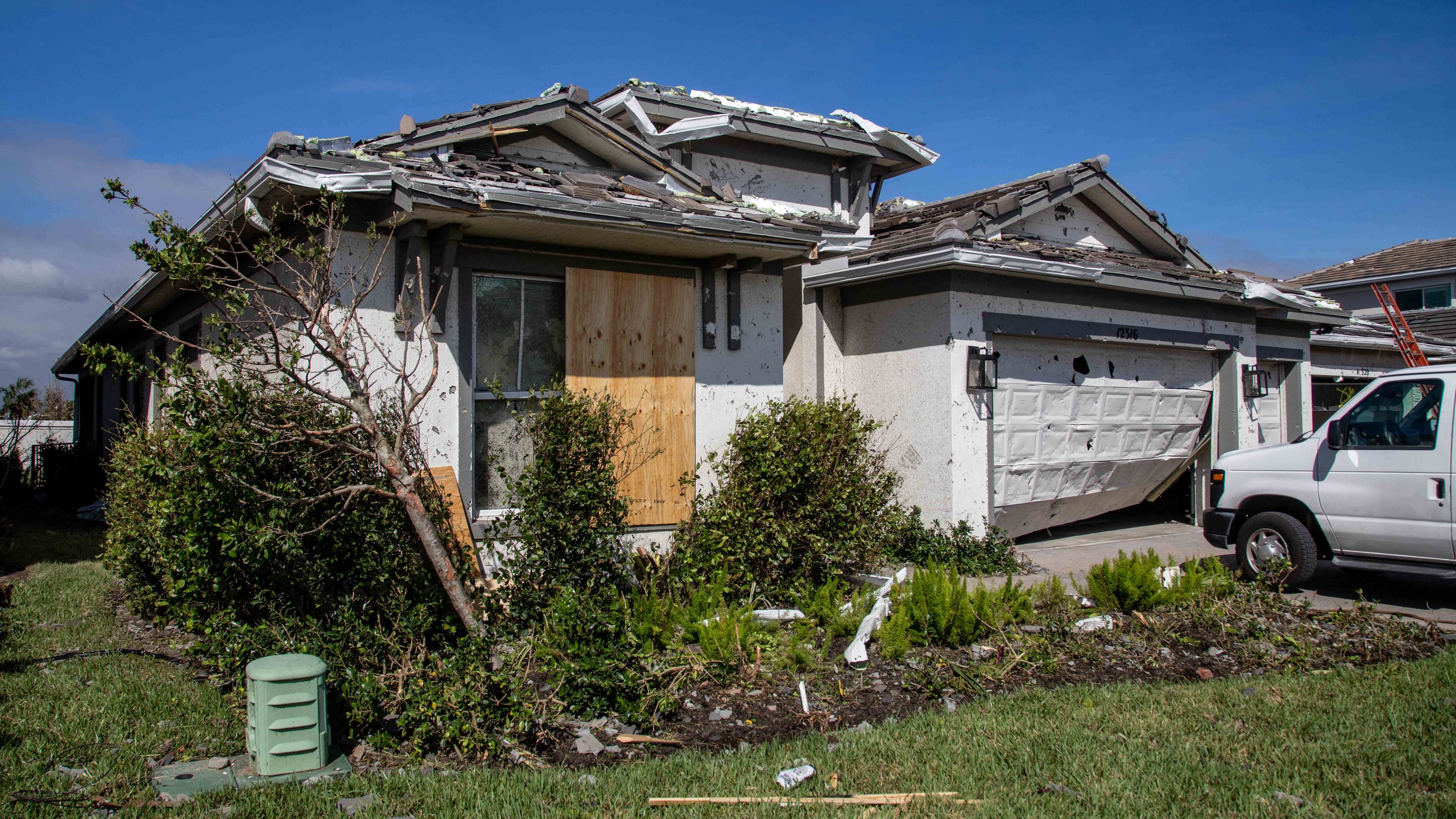
Florida’s property insurance market is stabilizing after years of turmoil, but lawmakers say the job isn’t done. New proposals target profit‑sharing oversight, premium transparency, and a statewide claim‑free discount program—offering potential relief for homeowners and key insights for real estate and mortgage professionals navigating the shifting landscape.