Ares Commercial Real Estate Insider Shake‑Up: What Professionals Should Know This Week
If your morning coffee pairs well with a dash of market intrigue, today’s spotlight lands squarely on
Ares Commercial Real Estate Corporation (NYSE:ACRE). The company’s CEO & Director,
Bryan Donohoe, recently sold US$107k worth of shares at an average price of
US$4.93—a move that trimmed his personal stake by roughly 13%.
Insider activity doesn’t always spell trouble, but it always sparks questions. And in today’s evolving market landscape,
Florida real estate agents, mortgage professionals, and investment‑minded specialists nationwide should keep an eye on moves like these.
Understanding market behavior is part of staying competitive—something we take seriously at Cameron Academy as we help professionals stay informed, licensed, and ahead of industry shifts.
A Bigger Pattern? Understanding ACRE Insider Behavior
This isn’t Donohoe’s first sale of the year. Earlier, he sold approximately US$133k worth of shares
at US$5.68 per share—meaning his earlier sale happened at a stronger price point. While insider selling
is common, repeated sales without any insider buying can raise eyebrows among seasoned investors.
According to the data, insiders at Ares Commercial Real Estate made no purchases in the past 12 months.
That doesn’t automatically signal danger, but it does create a tone of caution from within the leadership ranks.
See the Full Insider Activity Chart
Want to explore every insider transaction from the past year?
View the interactive chart here
and dig into dates, prices, and individual trades.
How Much Skin Do Insiders Have in the Game?
Insider ownership sits at about 1.6%—worth roughly US$4.6 million. While not insignificant,
it isn’t especially high either. Lower insider ownership often correlates with lower long-term alignment, though it doesn’t always indicate poor performance.
As the Simply Wall St analysis suggests, many companies show stronger internal confidence through larger insider holdings.
ACRE’s numbers are conservative but not alarming.
What Should Professionals Take Away?
Insiders sold stock recently, and none showed buying activity. Combined with modest insider ownership, the indicators suggest
a measured caution. Still, insider selling by itself is not a forecast of decline—it’s simply one piece of a much larger
market puzzle.
For professionals navigating real estate, finance, and investment spaces, this serves as a reminder of the importance of
market literacy. Whether you’re evaluating REITs, shaping a portfolio, or watching economic signals, staying informed is essential.
If you’re growing your career or expanding your license portfolio,
Cameron Academy provides the educational backbone to help keep you competitive and current.
More From the Source
Explore the full analysis, discover small-cap stocks insiders are buying, or try their free portfolio tools:
And as always: this information isn’t financial advice—but it does help you stay sharp, curious,
and one step ahead as you navigate the day’s headlines.
More Articles
Getting licensed or staying ahead in your career can be a journey—but it doesn’t have to be overwhelming. Grab your favorite coffee or tea, take a moment to relax, and browse through our articles. Whether you’re just starting out or renewing your expertise, we’ve got tips, insights, and advice to keep you moving forward. Here’s to your success—one sip and one step at a time!
A growing share of American homeowners now carry mortgage rates above 5%—a dramatic shift that’s reshaping refinancing, inventory, and buyer behavior nationwide. With more than 30% of borrowers locked into rates over 5% and 20% above 6%, the market is split between owners holding on to low pandemic‑era loans and new buyers taking on higher‑rate mortgages. Federal efforts to push rates down could unlock millions of refinancing opportunities, while buyers see only modest monthly savings. For real estate professionals, understanding these rate dynamics is crucial as they increasingly drive inventory levels, affordability, and market activity.
New Moody’s data shows commercial real estate deal volume slipped 20% in December, marking a second monthly decline. Yet the full year tells a different story: 2025 ended with a 17% gain, signaling a quiet but resilient recovery. The biggest surprise came from the office sector, which posted a 21% jump in activity as return‑to‑office trends and AI‑driven job growth boosted demand. Multifamily, retail, and alternative assets like data centers also saw strong momentum, giving real estate professionals a market full of fresh opportunities heading into 2026.
Florida drivers and industry professionals are heading into 2026 with good news: auto insurance rates are dropping across the state as the market shows strong signs of stabilization. USAA leads the latest wave with a 7% average rate decrease expected in May 2026, saving members more than $125 million annually. They join several major insurers — including State Farm, Progressive, AAA, Allstate, and Florida Farm Bureau — all approving significant reductions. Officials credit recent legislative reforms, especially tort reform, for the improved loss ratios and renewed insurer confidence. With both auto and home insurance markets strengthening, Florida’s real estate, mortgage, and insurance professionals can expect more consumer confidence, smoother transactions, and expanding career opportunities.
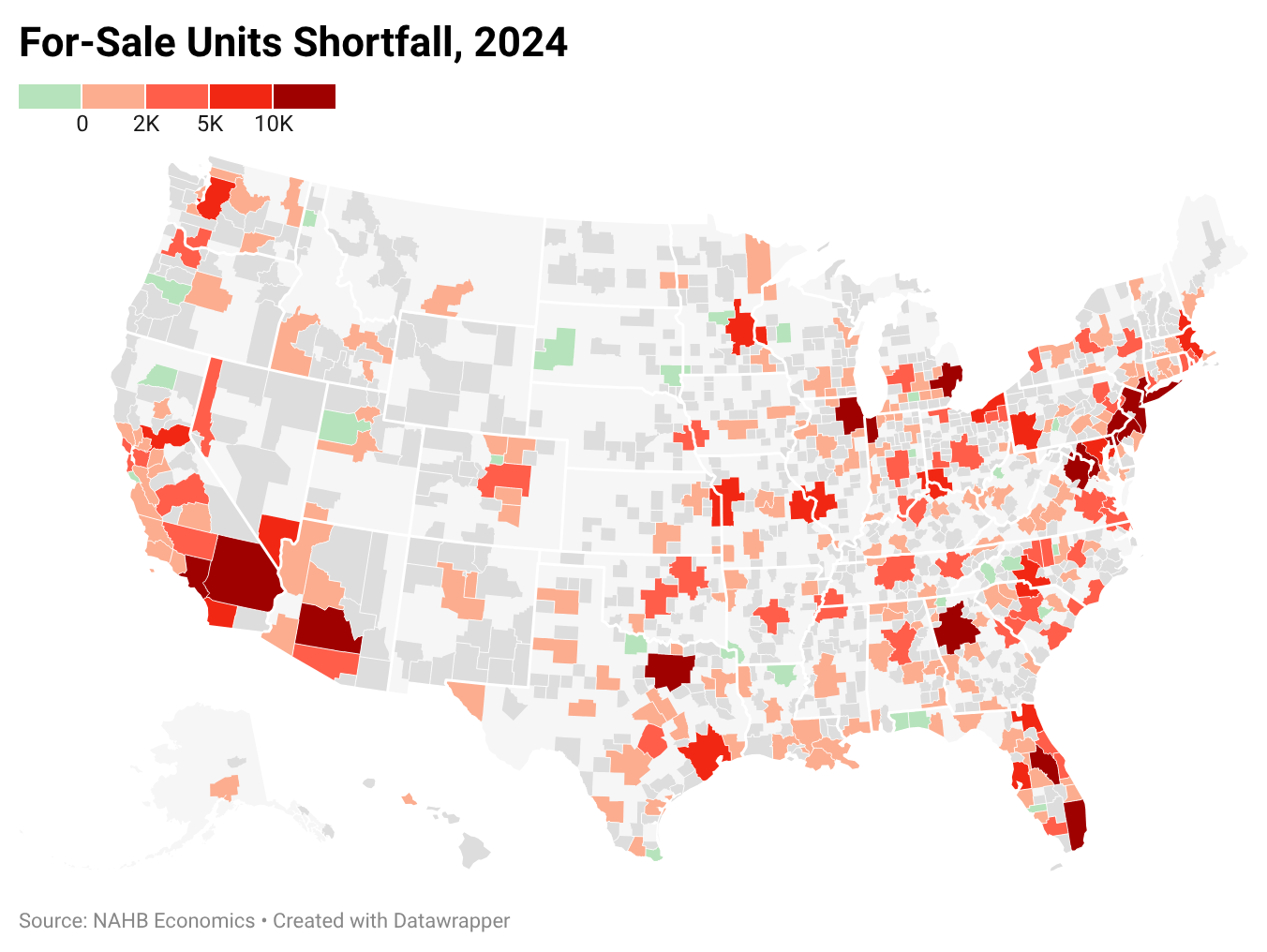
New data from Eye On Housing and the NAHB shows the U.S. remains short more than 1.2 million housing units, keeping pressure on both rents and home prices. Record‑low vacancy rates, slow single‑family construction, and restrictive zoning continue to fuel intense competition in 2024. Major metros like Chicago, New York, and Atlanta face some of the deepest deficits, and the true nationwide shortfall may be even higher when accounting for overcrowding and aging homes. For real estate professionals, the ongoing shortage means sustained demand, tighter inventory, and major opportunities for those who understand the evolving market.
Top real estate coach Jason Pantana says the divide between agents today isn’t about who has “tried” AI — it’s about who is immersed in it. In a new HousingWire interview, he explains why AI isn’t a gimmick but a full business system that amplifies output, improves authenticity, and reshapes how clients search for agents. From prompt mastery to AI‑driven visibility on Google, Pantana reveals how agents who commit even 15 minutes a day to learning AI are already outperforming those who hesitate.
Dallas–Fort Worth’s commercial real estate market closed 2025 with a split personality. Industrial dominated with massive new deliveries and soaring leasing demand, retail held steady with some of the market’s strongest fundamentals in years, and office continued to falter under remote‑work pressures. High vacancies, weak absorption, and rising demand for top‑tier space show the sector’s ongoing reset. Meanwhile, industrial and retail strength position the Metroplex for another powerhouse year heading into 2026.