Ares Commercial Real Estate Insider Shake‑Up: What Professionals Should Know This Week
If your morning coffee pairs well with a dash of market intrigue, today’s spotlight lands squarely on
Ares Commercial Real Estate Corporation (NYSE:ACRE). The company’s CEO & Director,
Bryan Donohoe, recently sold US$107k worth of shares at an average price of
US$4.93—a move that trimmed his personal stake by roughly 13%.
Insider activity doesn’t always spell trouble, but it always sparks questions. And in today’s evolving market landscape,
Florida real estate agents, mortgage professionals, and investment‑minded specialists nationwide should keep an eye on moves like these.
Understanding market behavior is part of staying competitive—something we take seriously at Cameron Academy as we help professionals stay informed, licensed, and ahead of industry shifts.
A Bigger Pattern? Understanding ACRE Insider Behavior
This isn’t Donohoe’s first sale of the year. Earlier, he sold approximately US$133k worth of shares
at US$5.68 per share—meaning his earlier sale happened at a stronger price point. While insider selling
is common, repeated sales without any insider buying can raise eyebrows among seasoned investors.
According to the data, insiders at Ares Commercial Real Estate made no purchases in the past 12 months.
That doesn’t automatically signal danger, but it does create a tone of caution from within the leadership ranks.
See the Full Insider Activity Chart
Want to explore every insider transaction from the past year?
View the interactive chart here
and dig into dates, prices, and individual trades.
How Much Skin Do Insiders Have in the Game?
Insider ownership sits at about 1.6%—worth roughly US$4.6 million. While not insignificant,
it isn’t especially high either. Lower insider ownership often correlates with lower long-term alignment, though it doesn’t always indicate poor performance.
As the Simply Wall St analysis suggests, many companies show stronger internal confidence through larger insider holdings.
ACRE’s numbers are conservative but not alarming.
What Should Professionals Take Away?
Insiders sold stock recently, and none showed buying activity. Combined with modest insider ownership, the indicators suggest
a measured caution. Still, insider selling by itself is not a forecast of decline—it’s simply one piece of a much larger
market puzzle.
For professionals navigating real estate, finance, and investment spaces, this serves as a reminder of the importance of
market literacy. Whether you’re evaluating REITs, shaping a portfolio, or watching economic signals, staying informed is essential.
If you’re growing your career or expanding your license portfolio,
Cameron Academy provides the educational backbone to help keep you competitive and current.
More From the Source
Explore the full analysis, discover small-cap stocks insiders are buying, or try their free portfolio tools:
And as always: this information isn’t financial advice—but it does help you stay sharp, curious,
and one step ahead as you navigate the day’s headlines.
More Articles
Getting licensed or staying ahead in your career can be a journey—but it doesn’t have to be overwhelming. Grab your favorite coffee or tea, take a moment to relax, and browse through our articles. Whether you’re just starting out or renewing your expertise, we’ve got tips, insights, and advice to keep you moving forward. Here’s to your success—one sip and one step at a time!
Skyrocketing insurance premiums and soaring rebuilding costs are transforming communities across Southwest Florida, especially in the wake of Hurricane Ian. As longtime residents struggle to keep up with rising financial pressure, wealthier newcomers and stricter building standards are reshaping the identity of places like Fort Myers Beach. With insurance rates now driving home sales, triggering potential foreclosures, and squeezing both owners and renters, Florida’s middle-class families face a growing question: can they afford to stay in the state they love?
Florida’s insurance industry is stabilizing fast, with nearly 1.6 million policies shifting from Citizens to private insurers and litigation dropping sharply. Regulators report stronger market confidence, decreasing premiums, and renewed competition—signaling one of the healthiest periods the state has seen in years.
A Leon County judge has ordered the restart of arbitration for Citizens Property Insurance claims, directly conflicting with a previous ruling that halted the process as potentially unconstitutional. With more than 400 cases now back in motion, real estate, insurance, and mortgage professionals can expect renewed activity in claim disputes and fresh uncertainty as Florida courts clash over the legality of Citizens’ arbitration system.
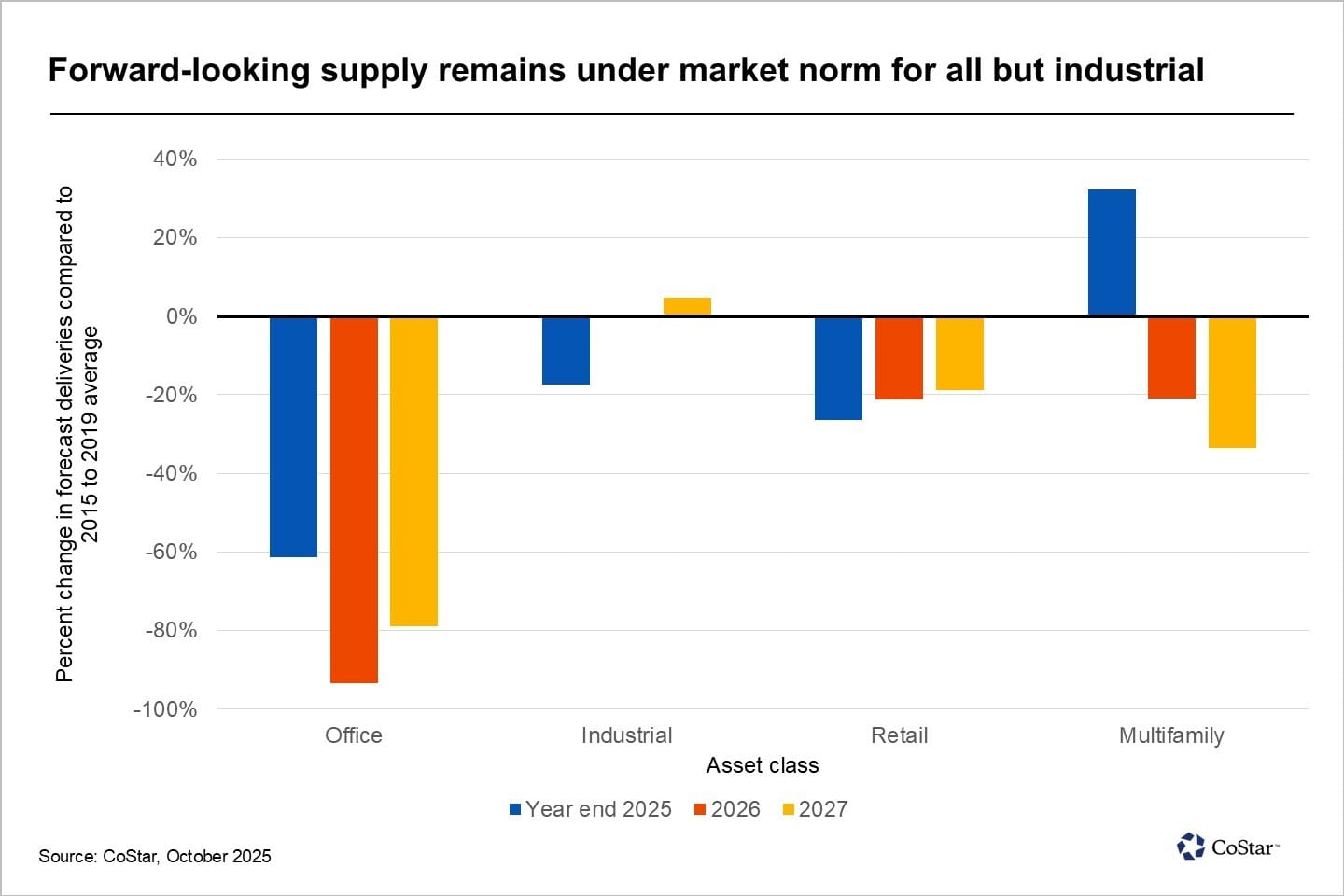
The DFW market is transitioning into a new construction phase marked by a slowdown in office development, a more selective approach to industrial projects, and an evolving housing landscape shaped by affordability and population growth. Developers are recalibrating their priorities, and for real estate professionals, understanding these shifts offers a critical edge in navigating—and capitalizing on—the next phase of the metroplex’s growth.
A new federal lawsuit claims Zillow pushed homebuyers toward Zillow Home Loans by rewarding affiliated agents with valuable leads — all without proper disclosure. The suit alleges undisclosed incentives, referral quotas, and potential RESPA violations, raising major concerns about steering, fiduciary duties, and Zillow’s expanding mortgage ambitions.
The mortgage industry is evolving fast, and the lenders who come out on top will be those who innovate without uprooting what already works. By building on strong technology foundations, streamlining workflows and adopting smart automation, lenders can reduce costs, improve customer experience and stay resilient in any market cycle. This article breaks down why innovation matters now, how a stable tech ecosystem protects lenders in volatile conditions and why small, strategic steps can drive long-term transformation.