Artificial Intelligence: A New Frontier in Neurological Care
In a rapidly evolving medical landscape,
artificial intelligence (AI) is emerging as a game-changer in the
diagnosis and treatment of neurological emergencies. A recent
comprehensive review published in Frontiers highlights the transformative potential of
AI in neurology, particularly in acute scenarios like
stroke and
traumatic brain injury.
Revolutionizing Diagnosis and Treatment
AI’s integration into neurology is not just a fleeting trend; it’s a significant shift in how healthcare professionals approach complex neurological disorders. Leveraging
machine learning algorithms and
deep learning models, AI systems can analyze vast datasets with unprecedented speed and accuracy. This capability is crucial in time-sensitive situations where every second counts, such as identifying candidates for
thrombolytic therapy in stroke cases.
According to
Lee et al. (2020),
machine learning has already demonstrated its prowess in identifying strokes within a critical 4.5-hour window. Such advancements underscore AI’s potential to enhance patient outcomes by facilitating rapid decision-making.
AI in Neurological Imaging
The role of AI in
diagnostic imaging is particularly noteworthy.
Deep learning models, as discussed by
Litjens et al. (2017), have been trained to interpret complex medical images, often outperforming human experts. This technology is pivotal in detecting early signs of neurological disorders, such as
Alzheimer’s disease, as evidenced by
Ardila et al. (2019).
Ethical and Practical Challenges
Despite its promise, the deployment of AI in healthcare is not without challenges. Ethical concerns, such as
data privacy and
algorithmic bias, must be addressed to ensure equitable patient care. The “black box” nature of AI systems often leaves clinicians and patients questioning the transparency of AI-driven decisions. As AI continues to integrate into healthcare, it is imperative to establish robust ethical guidelines and regulatory frameworks.
Furthermore, the practical implementation of AI in clinical settings requires significant investment in infrastructure and training. As highlighted by
Shickel et al. (2018),
predictive analytics in healthcare can revolutionize patient management, but only if healthcare providers are equipped to harness these technologies effectively.
Looking Ahead: Future Directions
The future of AI in neurology is bright, with emerging trends pointing towards more personalized and precise treatment strategies. The integration of AI with wearable devices and
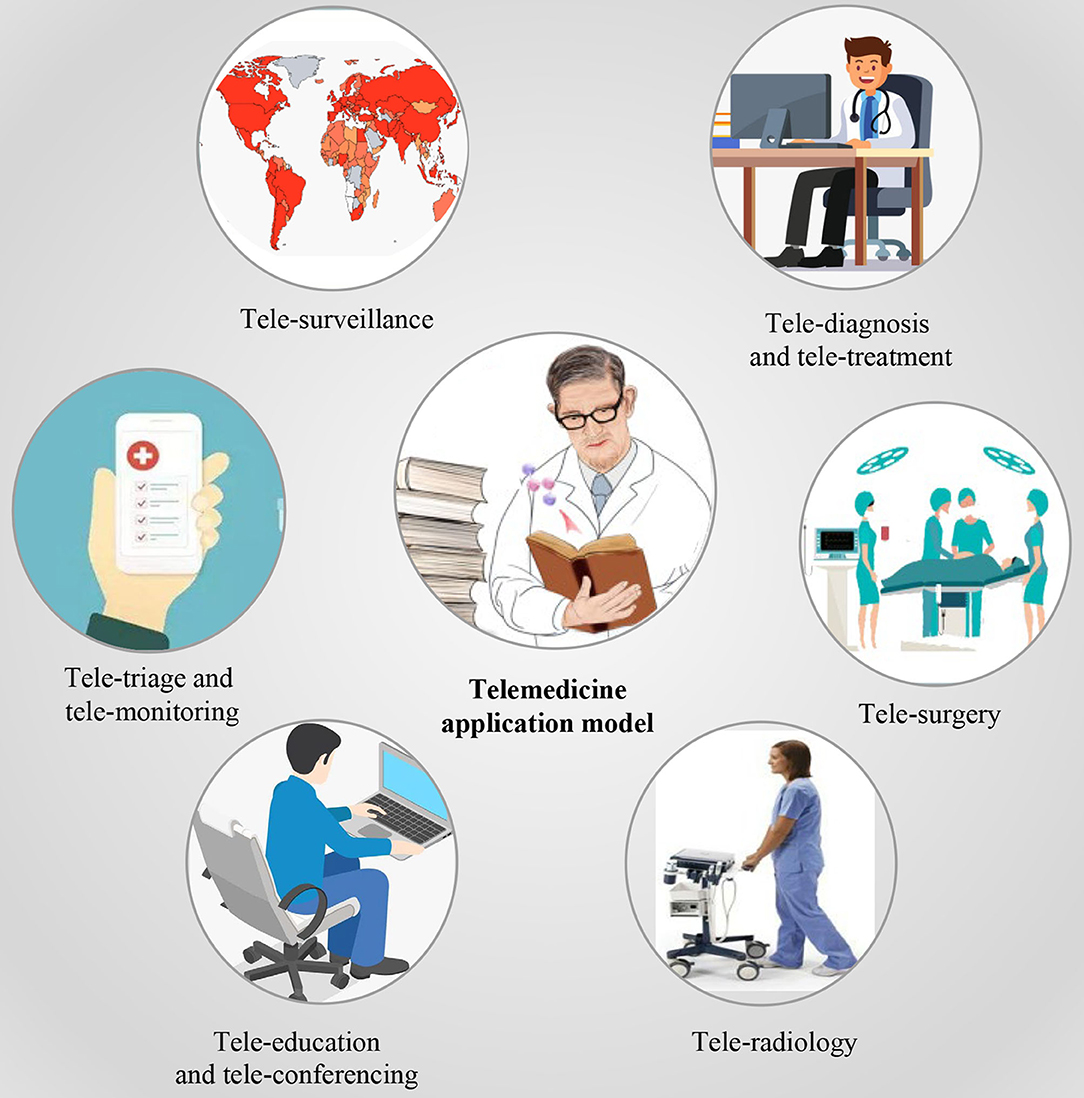
telemedicine platforms promises continuous monitoring and early intervention for chronic neurological conditions.
However, to fully realize AI’s potential, ongoing research and development are essential. Future studies should focus on creating more interpretable AI models and exploring their long-term efficacy in diverse healthcare settings.
In conclusion, AI is poised to redefine neurological care, offering new hope for patients and clinicians alike. As the field advances, it is crucial to balance innovation with responsibility, ensuring that AI technologies are deployed ethically and equitably across the healthcare spectrum.