Artificial Intelligence: A New Frontier in Neurological Care

In a rapidly evolving medical landscape, artificial intelligence (AI) is emerging as a game-changer in the diagnosis and treatment of neurological emergencies. A recent comprehensive review published in Frontiers highlights the transformative potential of AI in neurology, particularly in acute scenarios like stroke and traumatic brain injury.
Revolutionizing Diagnosis and Treatment
AI’s integration into neurology is not just a fleeting trend; it’s a significant shift in how healthcare professionals approach complex neurological disorders. Leveraging machine learning algorithms and deep learning models, AI systems can analyze vast datasets with unprecedented speed and accuracy. This capability is crucial in time-sensitive situations where every second counts, such as identifying candidates for thrombolytic therapy in stroke cases.
According to Lee et al. (2020), machine learning has already demonstrated its prowess in identifying strokes within a critical 4.5-hour window. Such advancements underscore AI’s potential to enhance patient outcomes by facilitating rapid decision-making.
AI in Neurological Imaging
The role of AI in diagnostic imaging is particularly noteworthy. Deep learning models, as discussed by Litjens et al. (2017), have been trained to interpret complex medical images, often outperforming human experts. This technology is pivotal in detecting early signs of neurological disorders, such as Alzheimer’s disease, as evidenced by Ardila et al. (2019).
Ethical and Practical Challenges
Despite its promise, the deployment of AI in healthcare is not without challenges. Ethical concerns, such as data privacy and algorithmic bias, must be addressed to ensure equitable patient care. The “black box” nature of AI systems often leaves clinicians and patients questioning the transparency of AI-driven decisions. As AI continues to integrate into healthcare, it is imperative to establish robust ethical guidelines and regulatory frameworks.
Furthermore, the practical implementation of AI in clinical settings requires significant investment in infrastructure and training. As highlighted by Shickel et al. (2018), predictive analytics in healthcare can revolutionize patient management, but only if healthcare providers are equipped to harness these technologies effectively.

Looking Ahead: Future Directions


The future of AI in neurology is bright, with emerging trends pointing towards more personalized and precise treatment strategies. The integration of AI with wearable devices and telemedicine platforms promises continuous monitoring and early intervention for chronic neurological conditions.
However, to fully realize AI’s potential, ongoing research and development are essential. Future studies should focus on creating more interpretable AI models and exploring their long-term efficacy in diverse healthcare settings.
In conclusion, AI is poised to redefine neurological care, offering new hope for patients and clinicians alike. As the field advances, it is crucial to balance innovation with responsibility, ensuring that AI technologies are deployed ethically and equitably across the healthcare spectrum.


More Articles

Getting licensed or staying ahead in your career can be a journey—but it doesn’t have to be overwhelming. Grab your favorite coffee or tea, take a moment to relax, and browse through our articles. Whether you’re just starting out or renewing your expertise, we’ve got tips, insights, and advice to keep you moving forward. Here’s to your success—one sip and one step at a time!

The Rising Cost of Disaster: How Insurance Upheaval Is Reshaping Florida’s Middle Class

Skyrocketing insurance premiums and soaring rebuilding costs are transforming communities across Southwest Florida, especially in the wake of Hurricane Ian. As longtime residents struggle to keep up with rising financial pressure, wealthier newcomers and stricter building standards are reshaping the identity of places like Fort Myers Beach. With insurance rates now driving home sales, triggering potential foreclosures, and squeezing both owners and renters, Florida’s middle-class families face a growing question: can they afford to stay in the state they love?

Florida’s Insurance Market Enters Its Strongest Phase in Years as Private Carriers Take Over

Florida’s insurance industry is stabilizing fast, with nearly 1.6 million policies shifting from Citizens to private insurers and litigation dropping sharply. Regulators report stronger market confidence, decreasing premiums, and renewed competition—signaling one of the healthiest periods the state has seen in years.

Florida Judge Restarts Citizens Insurance Arbitration, Re‑Igniting 400+ Stalled Claims

A Leon County judge has ordered the restart of arbitration for Citizens Property Insurance claims, directly conflicting with a previous ruling that halted the process as potentially unconstitutional. With more than 400 cases now back in motion, real estate, insurance, and mortgage professionals can expect renewed activity in claim disputes and fresh uncertainty as Florida courts clash over the legality of Citizens’ arbitration system.

Dallas–Fort Worth Enters a New Real Estate Cycle as Developers Shift Strategies

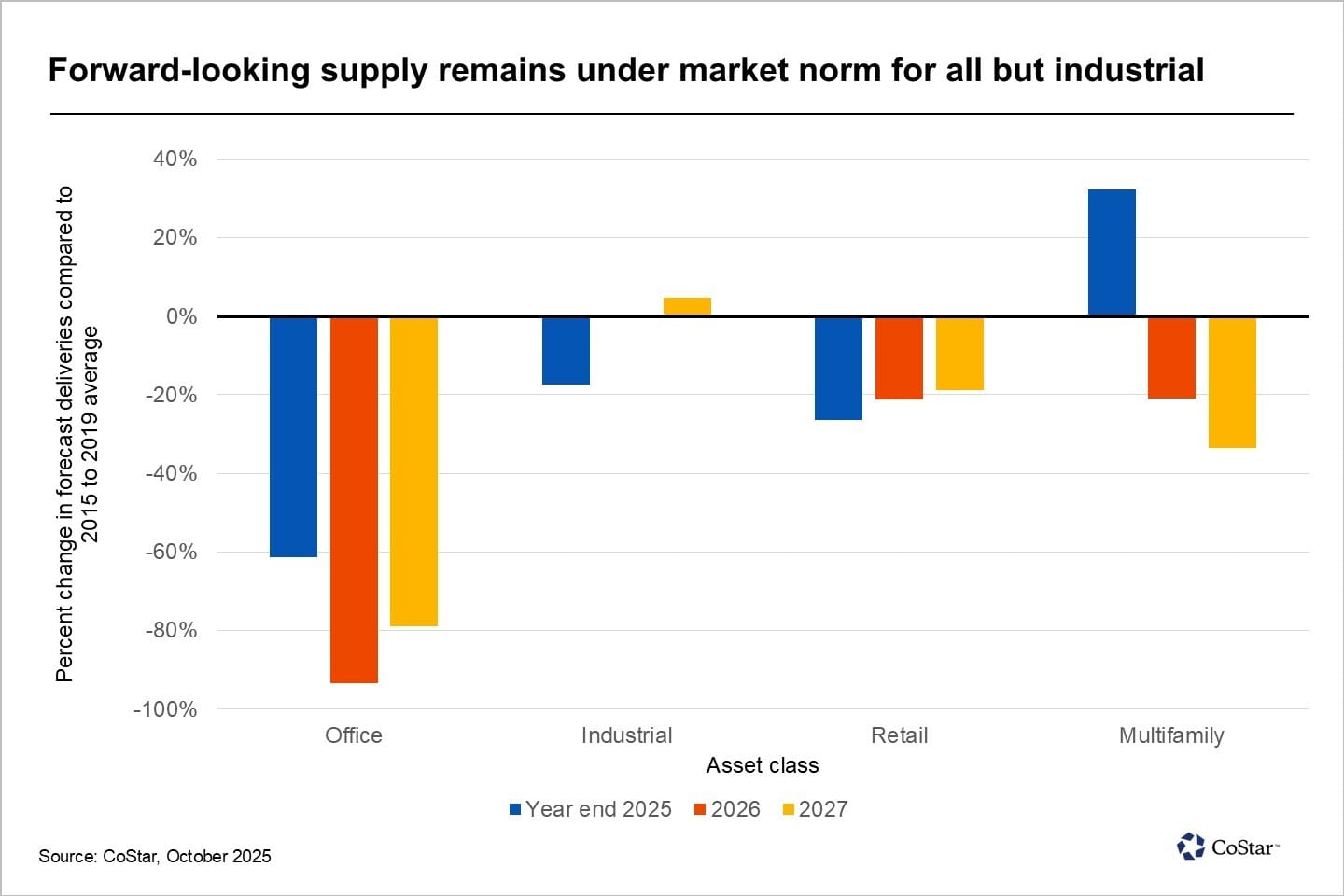
The DFW market is transitioning into a new construction phase marked by a slowdown in office development, a more selective approach to industrial projects, and an evolving housing landscape shaped by affordability and population growth. Developers are recalibrating their priorities, and for real estate professionals, understanding these shifts offers a critical edge in navigating—and capitalizing on—the next phase of the metroplex’s growth.

Zillow Faces New Lawsuit Over Alleged Pressure on Buyers to Use Zillow Home Loans

A new federal lawsuit claims Zillow pushed homebuyers toward Zillow Home Loans by rewarding affiliated agents with valuable leads — all without proper disclosure. The suit alleges undisclosed incentives, referral quotas, and potential RESPA violations, raising major concerns about steering, fiduciary duties, and Zillow’s expanding mortgage ambitions.

Embracing Innovation to Stay Competitive in a Shifting Mortgage Market

The mortgage industry is evolving fast, and the lenders who come out on top will be those who innovate without uprooting what already works. By building on strong technology foundations, streamlining workflows and adopting smart automation, lenders can reduce costs, improve customer experience and stay resilient in any market cycle. This article breaks down why innovation matters now, how a stable tech ecosystem protects lenders in volatile conditions and why small, strategic steps can drive long-term transformation.