Artificial Intelligence in Diagnostics: A Revolution in Healthcare


The global market for artificial intelligence in diagnostics is poised for remarkable growth, with projections estimating it to reach USD 7.3 billion by 2032. This surge, as reported by GlobeNewswire on October 7, 2024, is primarily driven by the increasing prevalence of chronic diseases and the escalating demand for AI-driven diagnostic tools.

Artificial intelligence in diagnostics market

Unveiling the Market Dynamics


The artificial intelligence in diagnostics market was valued at USD 1.1 billion in 2023. With a compound annual growth rate (CAGR) of 22.2% anticipated from 2024 to 2032, the market is on a robust development trajectory. The rise in chronic diseases, such as diabetes and cardiovascular conditions, is a significant factor fueling this growth.

Healthcare providers are increasingly turning to AI solutions to enhance early detection, ensure precise diagnoses, and facilitate tailored treatment strategies. These tools are indispensable in managing the high volume of medical data, offering faster and more reliable diagnostic processes, and intensifying the focus on personalized medicine.

Radiology: A Pioneering Segment


In 2023, the radiology segment led the artificial intelligence in diagnostics market with a revenue share of 28.4%. Radiology has been at the forefront of AI adoption, leveraging advanced tools to interpret vast amounts of medical images, such as X-rays, CT scans, and MRIs. This early adoption has resulted in mature and refined AI tools, now widely trusted across healthcare facilities.

North America’s Leadership


North America accounted for USD 451.6 million in the artificial intelligence in diagnostics market in 2023. With a projected CAGR of 21.2% from 2024 to 2032, the region stands out as a leader in embracing state-of-the-art healthcare technologies. The high prevalence of chronic diseases and a robust healthcare infrastructure further bolster the demand for AI-based diagnostics.

Key Players and Future Prospects


Major players in the market include Aidoc, AliveCor Inc., Digital Diagnostics, Inc., Enlitic, IBM Corporation, and Siemens Healthineers, among others. As the industry continues to evolve, swift advancements in AI technologies and the widespread adoption of digital healthcare platforms are expected to hasten the integration of AI tools across various diagnostic applications.

For more insights, the full report and additional resources can be accessed through the following links: Request a Sample, Report Customization, and Browse More Reports.

More Articles

Getting licensed or staying ahead in your career can be a journey—but it doesn’t have to be overwhelming. Grab your favorite coffee or tea, take a moment to relax, and browse through our articles. Whether you’re just starting out or renewing your expertise, we’ve got tips, insights, and advice to keep you moving forward. Here’s to your success—one sip and one step at a time!

AI Transforming Health Care: Bridging Academic and Clinical Practices

Artificial intelligence (AI) is revolutionizing diagnostics, treatment, and patient care, with significant advancements particularly noted in fields like radiology and oncology.

AI Revolutionizes Cancer Diagnostics

AI tools are now being leveraged to analyze images and tissue samples, offering insights that surpass traditional methods. AI's integration into healthcare, particularly in oncology, marks a significant shift towards precision medicine.

By |November 19, 2024|Categories: Article, Healthcare, Technology|Tags: , |0 Comments

AI in Precision Medicine: Navigating Challenges and Embracing Opportunities

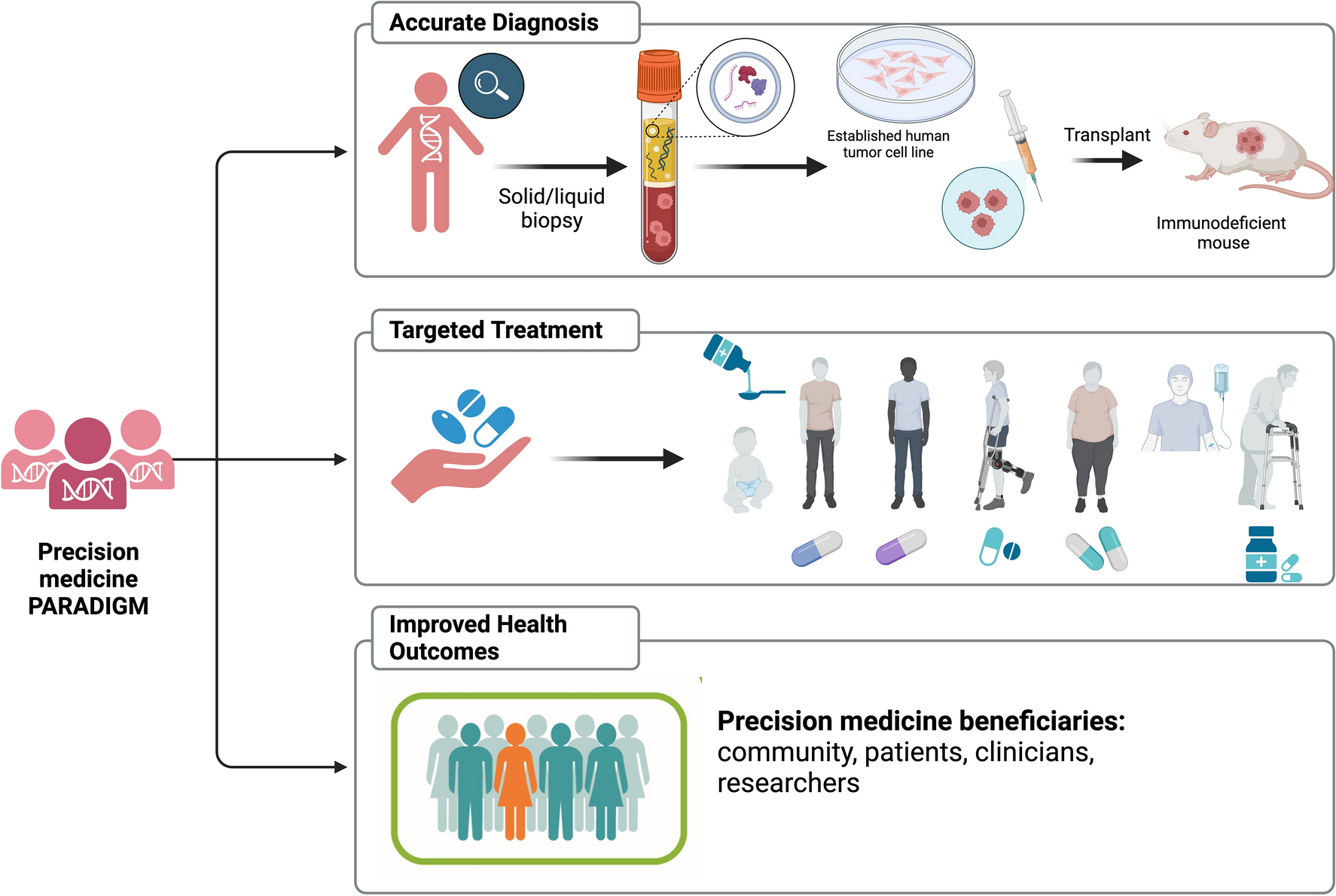
AI's potential to revolutionize healthcare lies in its ability to process vast amounts of data, uncover hidden patterns, and support clinical decision-making. It is particularly promising in the realms of drug development and clinical practice, where it can streamline processes, reduce costs, and improve patient experiences.

The Expanding Role of Telehealth in Nursing

Nurses, the unsung heroes on the front lines of patient care, are increasingly embracing telehealth technology as a core component of their roles. Telehealth offers a transformative opportunity to enhance patient outcomes and broaden access to healthcare. This shift is particularly pertinent in the face of an aging population and ongoing nursing shortages.

By |November 19, 2024|Categories: Article, Nursing, Telehealth|Tags: , |0 Comments

AI Revolutionizing Healthcare: From Diagnostics to Pandemics

AI enhances the ability to interpret medical images such as X-rays and MRIs, often surpassing human accuracy. By identifying patterns that even seasoned professionals might miss, AI complements human expertise, improving diagnostic precision.


By |November 18, 2024|Categories: Article, Healthcare, Technology|Tags: , |0 Comments