As Wildfire Season Intensifies, AI Becomes a Key Tool for Experts

With each passing year, the threat of wildfires looms larger, fueled by the relentless march of climate change. The Washington State Standard recently highlighted how AI is stepping up as a crucial ally in combating these increasingly frequent and ferocious blazes.

According to the Environmental Protection Agency, the Western United States has experienced a dramatic rise in wildfire activity since the 1990s, with the affected land area jumping from 5% to 22% between 1981 and 2021. This surge is attributed to shifts in climate cycles, outdated land management practices, and human activities, which the Western Fire Chiefs Association states are responsible for nearly 90% of all wildfires.

Recent reports from the New York Times and other sources confirm that the 2024 wildfire season has already exceeded the previous decade’s averages, with devastating blazes in Oregon and Colorado causing evacuations, health hazards, and casualties.

AI: A New Frontier in Wildfire Management

As traditional methods struggle to keep pace, AI technologies are emerging as game-changers in wildfire detection and management. The National Oceanic and Atmospheric Administration (NOAA) has developed the Next Generation Fire System, which utilizes AI models to analyze data from geostationary satellites. This allows for real-time fire identification and monitoring, freeing human responders to focus on strategic decision-making.

Moreover, the University of Southern California is pioneering predictive modeling using a generative AI model that forecasts fire spread. By integrating historical wildfire data and satellite images, this approach provides valuable insights into potential fire behavior, aiding in more effective firefighting strategies.

Private Sector Innovations

The private sector is also making significant strides in AI-driven wildfire management. MyRadar is poised to launch a satellite-based AI system that promises rapid data transmission and enhanced monitoring capabilities. Additionally, companies like BRINC are deploying drones to assist emergency responders by reducing response times and improving situational awareness.

While full implementation of these AI technologies is still months away, their potential to revolutionize wildfire management is undeniable. By integrating AI into firefighting strategies, experts hope to mitigate the devastating impacts of wildfires and safeguard communities from these natural disasters.


More Articles

Getting licensed or staying ahead in your career can be a journey—but it doesn’t have to be overwhelming. Grab your favorite coffee or tea, take a moment to relax, and browse through our articles. Whether you’re just starting out or renewing your expertise, we’ve got tips, insights, and advice to keep you moving forward. Here’s to your success—one sip and one step at a time!

Revolutionizing Real Estate with IoT: A New Era of Smart Homes

The real estate industry is on the brink of a transformation, driven by the integration of the Internet of Things (IoT). This technological advancement is reshaping how buildings operate and enhancing tenant experiences across the globe.

New Orleans as a Beacon of Resilience: The Sixth Triennial

"This framework postulates New Orleans as already living in the future," said Patterson during the exhibition's opening. Lash added, "We want to show New Orleans as a gift and as a scout." The exhibition, featuring 51 artists across 21 venues, highlights how contemporary art can serve as an engine of coping, rather than mere recovery.

By |March 6, 2025|Categories: Art, Article, Culture|Tags: , |0 Comments

Navigating Trump’s Tax Proposals: Key Changes Ahead

As the dust settles on the recent Republican victory in the U.S. presidential election, the tax landscape is poised for significant changes with President-elect Donald Trump set to return to the White House.

By |March 6, 2025|Categories: Article, Tax Policy, U.S. Politics|Tags: , |0 Comments

Multifamily Housing Sector: Modest Growth and Market Predictions for 2025

As we step into 2025, the multifamily housing sector is projected to experience modest growth. Yardi Matrix anticipates a 1.5% increase in rents, driven by positive economic conditions and stable industry fundamentals, particularly in the Northeast and Midwest regions. However, the rent growth forecasts vary across different markets.

Renter Preferences for 2024: Insights from Industry Surveys

Recent surveys have shed light on the preferences and priorities of renters in 2024, emphasizing the dominance of digital marketing and the importance of community inclusiveness.

AI Revolutionizes the Real Estate Market

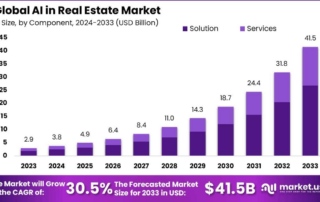
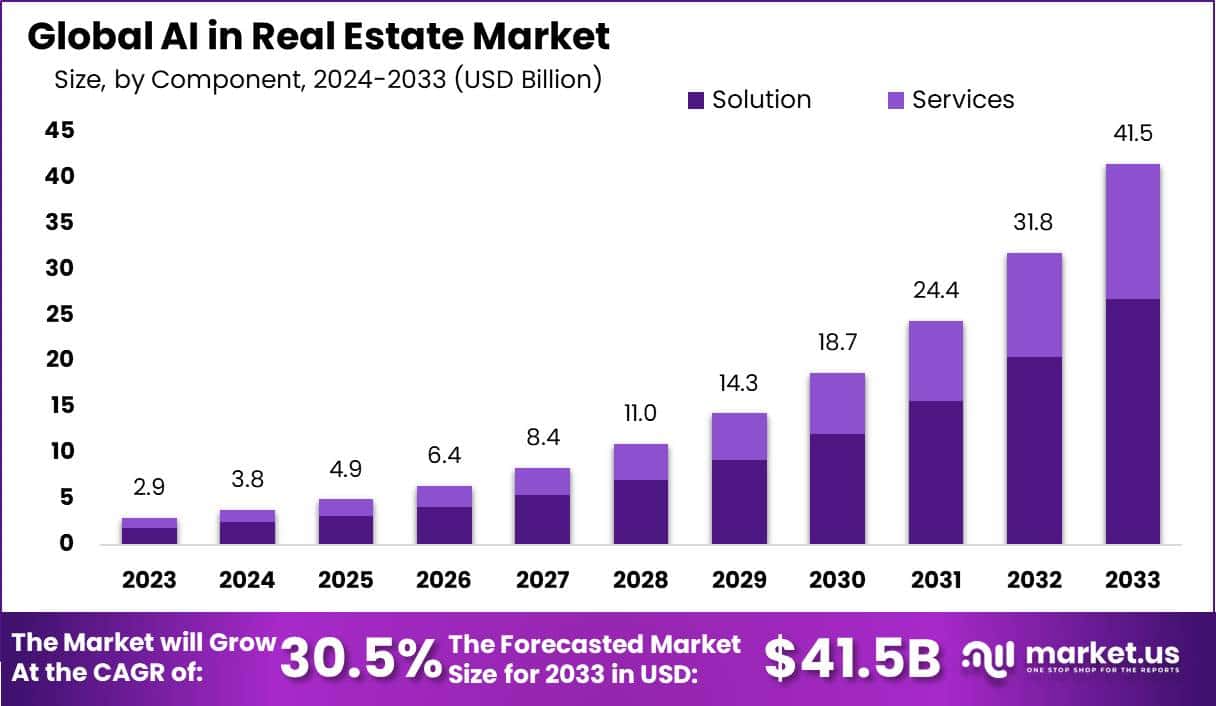
The real estate industry is on the brink of a technological transformation, with Artificial Intelligence (AI) playing a pivotal role. According to a recent report by Market.us, the AI in real estate market is projected to surge from USD 2.9 Billion in 2023 to a staggering USD 41.5 Billion by 2033, growing at an impressive CAGR of 30.5%.